Amphibolite: The metamorphic record of Earth's deep tectonic shifts and intense heat
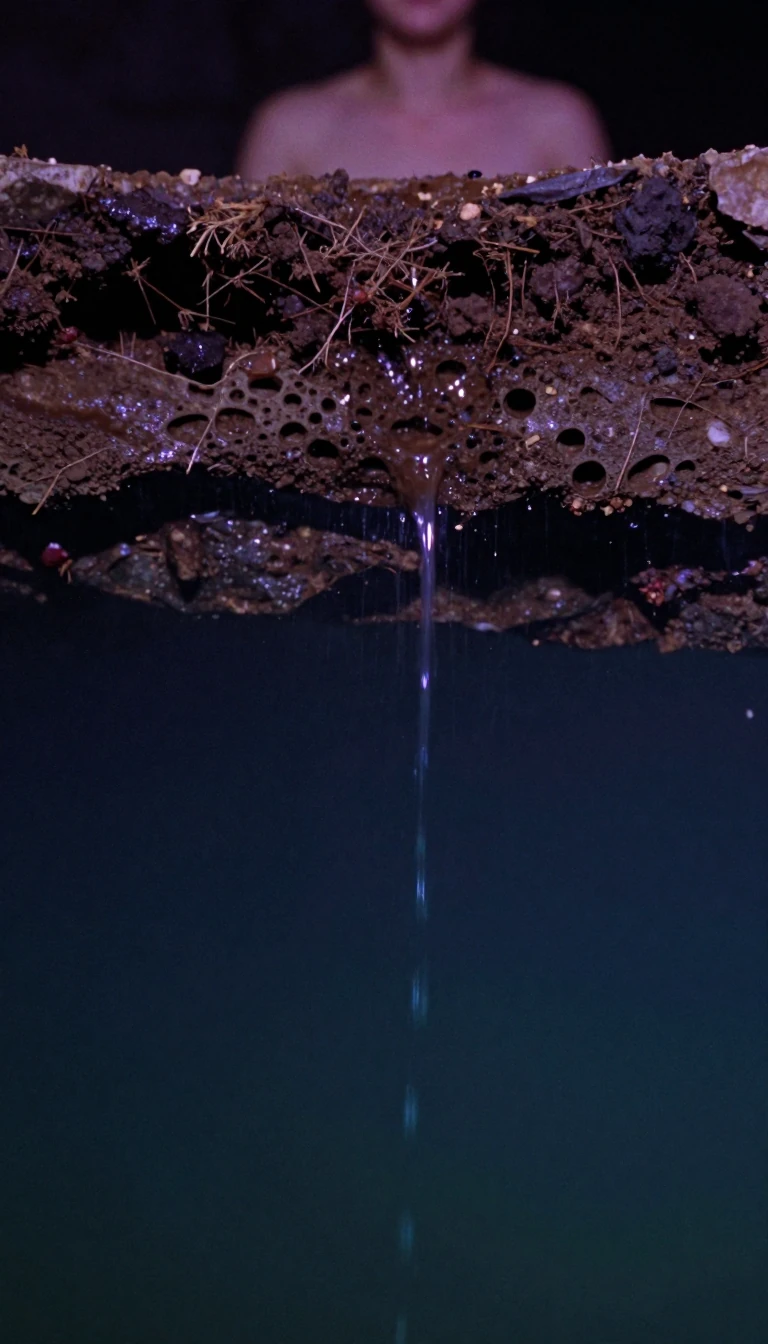
In short: Amphibolite is a dense, dark metamorphic rock defined by its signature mineral group. Formed deep within the crust, it serves as a geological fingerprint for intense pressure and temperature changes. Understanding its origins reveals how Earth's shifting tectonic plates constantly reshape the very minerals beneath our feet.
Amphibolite is primarily composed of minerals from the amphibole group, most notably hornblende. Unlike igneous rocks that crystallize directly from molten silicate, metamorphic rocks like amphibolite arise when preexisting materials—whether igneous, sedimentary, or other metamorphic rocks—undergo structural and mineralogical transformation. This process occurs in the solid state, often facilitated by fluids at grain boundaries, as minerals react to reach thermodynamic stability under new pressure and temperature conditions.
The formation of these rocks is closely tied to Earth's dynamic tectonic activity. As lithospheric plates move, rocks are buried or uplifted, forcing them into new depth-temperature regimes. This metamorphism is most intense in regions of mountain building and continental margins, where seismic activity is high. When rocks are subjected to these changing conditions, they may undergo a complete shift in mineral assemblage or simply adjust the composition of existing phases to maintain equilibrium.
Geologists distinguish between ortho-amphibolite, derived from igneous protoliths like basalt, and para-amphibolite, which originates from sedimentary sources. Because these rocks reflect the specific pressure and temperature conditions of their environment, they are essential for interpreting Earth's interior. When temperatures exceed 500 degrees Celsius, rocks enter the amphibolite facies, a state characterized by ductile deformation and the potential for partial melting if temperatures climb high enough. These transformations are not merely surface-level; they are part of a continuous cycle of burial and heating that defines the geologic column.
Opens the Intellect+ feed with this card first. Swipe up for the next one.
Sources
- Summary by Intellect · source: Amphibolite | Metamorphic, Igneous, Foliated | Britannica
- Also: Amphibolite
To cite this card, link to https://intellectplus.co.uk/app/nature-amphibolite.
How we source, check and correct cards: Editorial standards.
General information, not professional advice. Spotted an error? Flag the card or see corrections and complaints.
Intellect Plus is a visual educational discovery platform for exploring fascinating facts and ideas. Brain Food, Not Brain Rot. What is Intellect Plus?
Related
More in Geology · More in Nature · Latest · A–Z · All topics
