How the sinking of the Nazca Plate builds the massive Andes mountain range
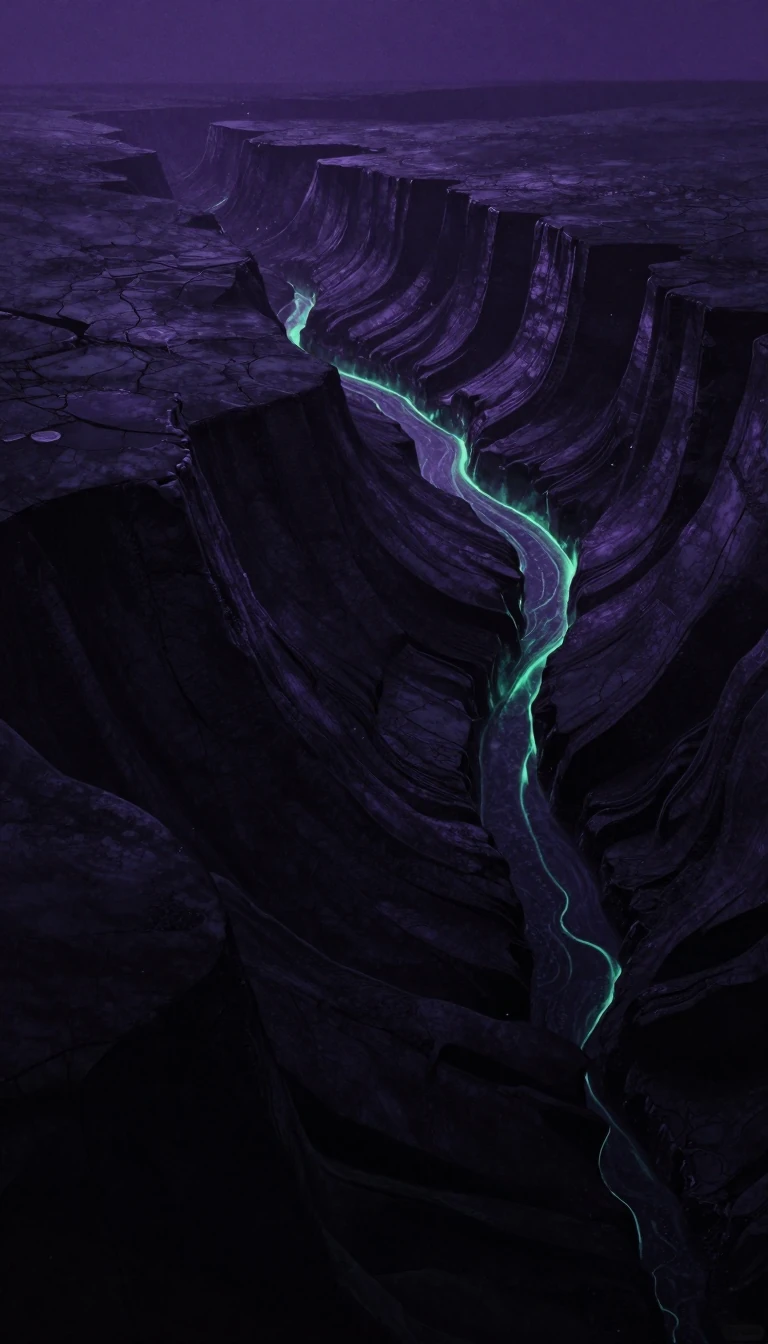
In short: The Andes are not a static feature but a dynamic result of the Nazca Plate sliding beneath South America. This ongoing process involves complex mantle interactions, where fluid release and varying slab angles dictate everything from volcanic activity to the rise of high plateaux and the frequency of seismic hazards.
The formation of the Andes is a multi-million-year saga driven by subduction, where the Nazca Plate descends into the mantle beneath the South American Plate. This interaction is far from uniform. As the slab sinks, it undergoes dehydration, releasing fluids that weaken the interface between the plates and fuel magmatic activity. The angle at which the slab descends is a critical variable; when it remains nearly horizontal—a phenomenon known as flat-slab subduction—it triggers widespread crustal deformation and creates elevated topography, often suppressing the volcanic arcs typically found in steeper subduction zones.
Geologists analyze these processes using seismic tomography, which maps variations in the speed of seismic waves to infer the presence of water and fluid content within the mantle. Research indicates that hydrated regions correlate with background seismic activity, while anhydrous zones are more likely to store elastic strain, potentially hosting powerful megathrust earthquakes. These dynamics are further influenced by mantle flow and the buoyancy of the subducting slab, which can undergo periodic tearing or retreat, forcing the system to reset into a more standard dip angle.
The structural evolution of the Andes is also a story of feedback loops between tectonic forces and surface processes. The rise of the mountains creates a formidable barrier to moisture, leading to extreme aridity in regions like the Atacama Desert. This lack of precipitation limits erosion, which in turn alters the redistribution of mass and influences the tectonic deformation of the crust. By integrating three-dimensional slab geometry with historical thermal models, scientists are now able to better understand how these cyclic orogenic dynamics have shaped the continent over tens of millions of years.
Opens the Intellect+ feed with this card first. Swipe up for the next one.
Sources
- Summary by Intellect · source: Geodynamic Processes in Andean Orogeny | Structural Geology and Tectonics | Geology | Earth & environmental sciences | Topics | Nature Index
- Also: Andean orogeny
To cite this card, link to https://intellectplus.co.uk/app/nature-andean-orogeny.
How we source, check and correct cards: Editorial standards.
General information, not professional advice. Spotted an error? Flag the card or see corrections and complaints.
Intellect Plus is a visual educational discovery platform for exploring fascinating facts and ideas. Brain Food, Not Brain Rot. What is Intellect Plus?
Related
More in Geology · More in Nature · Latest · A–Z · All topics
