The loose river sediment that built the cradle of human civilization
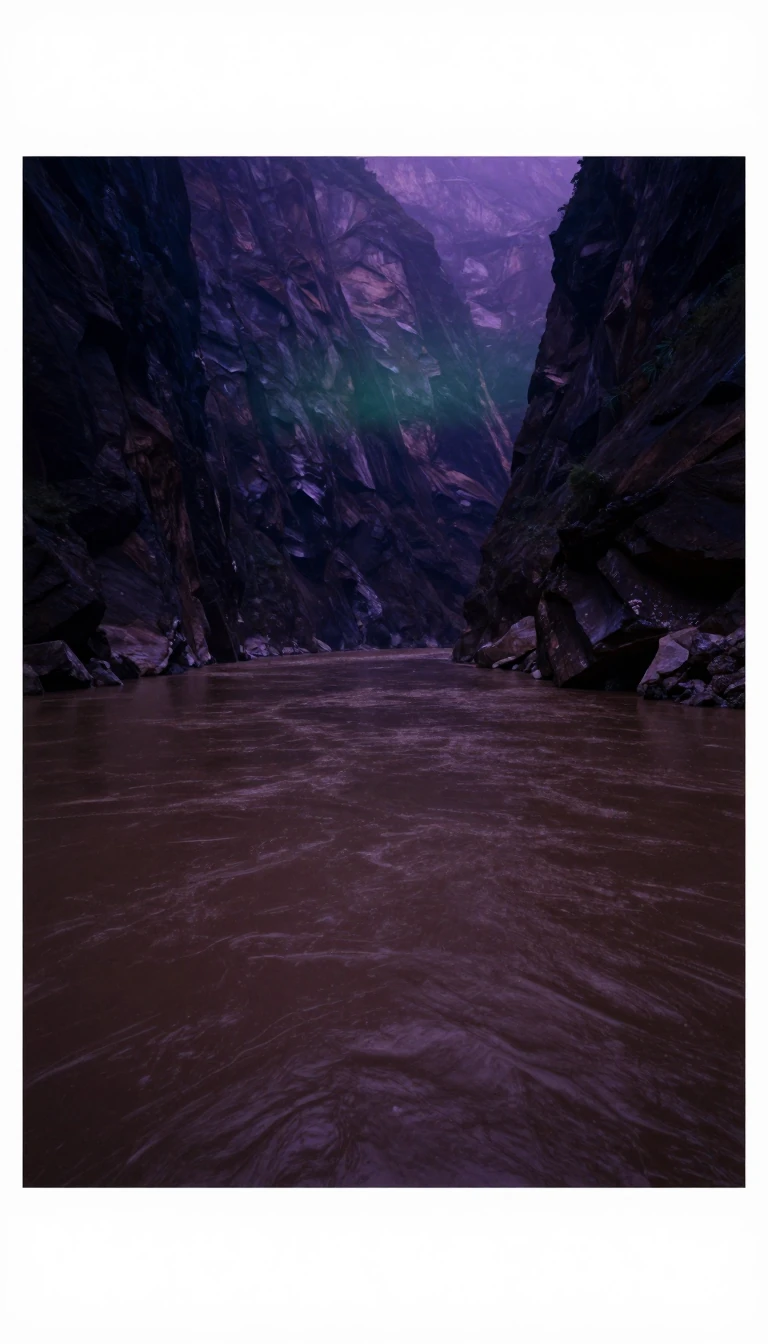
In short: Alluvium is the unassuming mix of clay, silt, sand, and gravel left behind by flowing water. While it may look like simple dirt, this geologically young deposit is the foundation of the world’s most fertile soils and has historically served as the bedrock for our earliest civilizations.
At its core, alluvium represents the material transported and deposited by rivers. It is most commonly found in floodplains, deltas, and alluvial fans, accumulating wherever a river’s velocity slows or its banks overflow. Because these deposits are typically geologically young and remain unconsolidated, they do not form solid rock. Instead, they act as a loose cover that obscures the older bedrock beneath, often filling basins with sedimentary material that geologists categorize as alluvial.
The definition of alluvium has shifted significantly since Antoine Furetière first defined the French term alluvion in 1690. Initially rooted in Roman law, the term once described new land formed by river or sea deposition. By the 19th century, it was contrasted with diluvium—sediments once attributed to Noah’s flood. As the scientific consensus rejected a universal flood, diluvium fell out of favor, and the term alluvium expanded to encompass a broader range of river-borne deposits. Today, while geologists generally agree that alluvium refers to sediments deposited by running water, debates persist regarding which specific marine or coastal deposits should be included under the label.
Beyond its role in shaping landscapes, alluvium is economically and agriculturally vital. The organic matter often trapped within these deposits creates exceptionally fertile soil, supporting the massive agricultural output of the Mississippi, Nile, Ganges, Brahmaputra, and Huang river deltas. Furthermore, these deposits are not merely agricultural assets; they are concentrated sources of wealth. Alluvial beds frequently contain precious metals like gold and platinum, as well as gemstones and the majority of the world’s tin ore, known as cassiterite. Whether through the sustenance of ancient societies or the concentration of rare minerals, this loose sediment remains a primary driver of human history and global resources.
Opens the Intellect+ feed with this card first. Swipe up for the next one.
Sources
- Summary by Intellect · source: Alluvium
- Also: Alluvium | Floodplain, Sediment & Soil | Britannica
To cite this card, link to https://intellectplus.co.uk/app/nature-alluvium.
How we source, check and correct cards: Editorial standards.
General information, not professional advice. Spotted an error? Flag the card or see corrections and complaints.
Intellect Plus is a visual educational discovery platform for exploring fascinating facts and ideas. Brain Food, Not Brain Rot. What is Intellect Plus?
Related
More in Geology · More in Nature · Latest · A–Z · All topics
