Apatite is the deceptive mineral that builds your bones and hides water on the Moon.
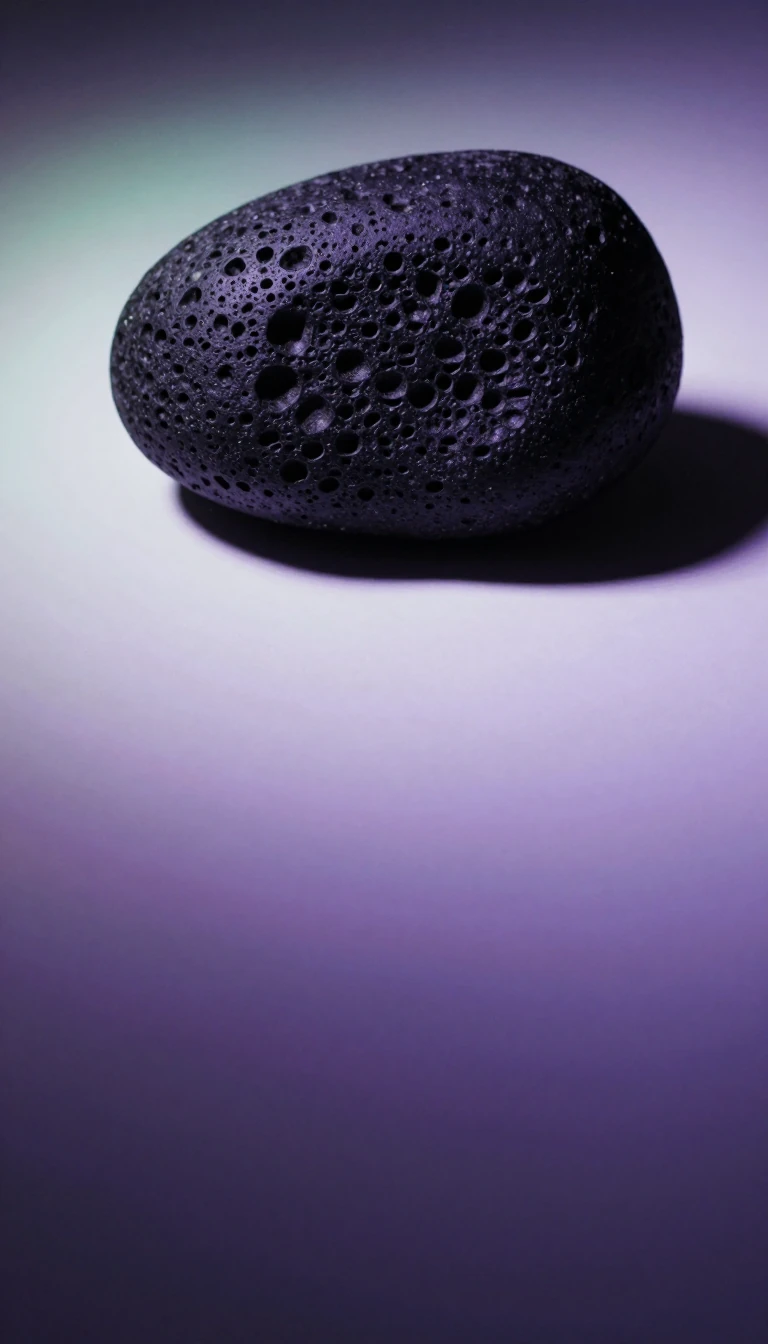
In short: Named after the Greek word for deceit, apatite is a master of disguise that frequently mimics other minerals. Beyond its geological trickery, this phosphate group is essential to life, forming the structural foundation of human bones and teeth, while also serving as a critical, albeit overlooked, reservoir for lunar water.
Apatite is not a single mineral but a versatile group of calcium phosphates, defined by the formula Ca10(PO4)6(OH,F,Cl)2. First named by Abraham Gottlob Werner in 1786, its name reflects its tendency to be mistaken for other stones. It is a common accessory mineral in igneous and metamorphic rocks, though it rarely appears as large crystals outside of specific environments like pegmatites or skarns. Its softness, ranking a 5 on the Mohs scale, typically keeps it from mainstream gemstone popularity, though varieties like the green asparagus stone or blue moroxite are occasionally faceted.
The mineral's biological significance is profound. Hydroxyapatite is the primary inorganic component of vertebrate teeth and bones. Its chemical flexibility allows for various substitutions; for instance, fluoride ions can replace hydroxyl groups, creating fluorapatite, which is more resistant to acid. This reaction is the mechanism behind modern dental health, as fluoridated water and toothpaste help strengthen enamel. Conversely, the mineral's ability to host trace elements makes it a valuable industrial resource, serving as a primary source of phosphorus for fertilizers and, increasingly, as a potential ore for rare-earth metals.
Apatite also acts as a geological timekeeper and a planetary record-keeper. Geologists use fission tracks and (U-Th)/He dating within apatite crystals to reconstruct the thermal histories of mountain belts and sedimentary basins. Perhaps most surprisingly, re-analysis of Apollo-era moon rocks in 2010 revealed that apatite traps water as hydroxyl. Estimates suggest this lunar water content is significantly higher than previously thought—potentially enough to cover the Moon's surface in a meter of water if extracted. From the Terracotta Army's pigments to the future of nuclear waste storage, apatite remains one of the most consequential minerals on and off Earth.
Opens the Intellect+ feed with this card first. Swipe up for the next one.
Sources
- Summary by Intellect · source: Apatite
- Also: Apatite | Phosphate, Calcium & Fluoride | Britannica
To cite this card, link to https://intellectplus.co.uk/app/nature-apatite.
How we source, check and correct cards: Editorial standards.
General information, not professional advice. Spotted an error? Flag the card or see corrections and complaints.
Intellect Plus is a visual educational discovery platform for exploring fascinating facts and ideas. Brain Food, Not Brain Rot. What is Intellect Plus?
Related
More in Geology · More in Nature · Latest · A–Z · All topics
