The hidden geometry of the Earth's crust is built on simple carbonate triangles
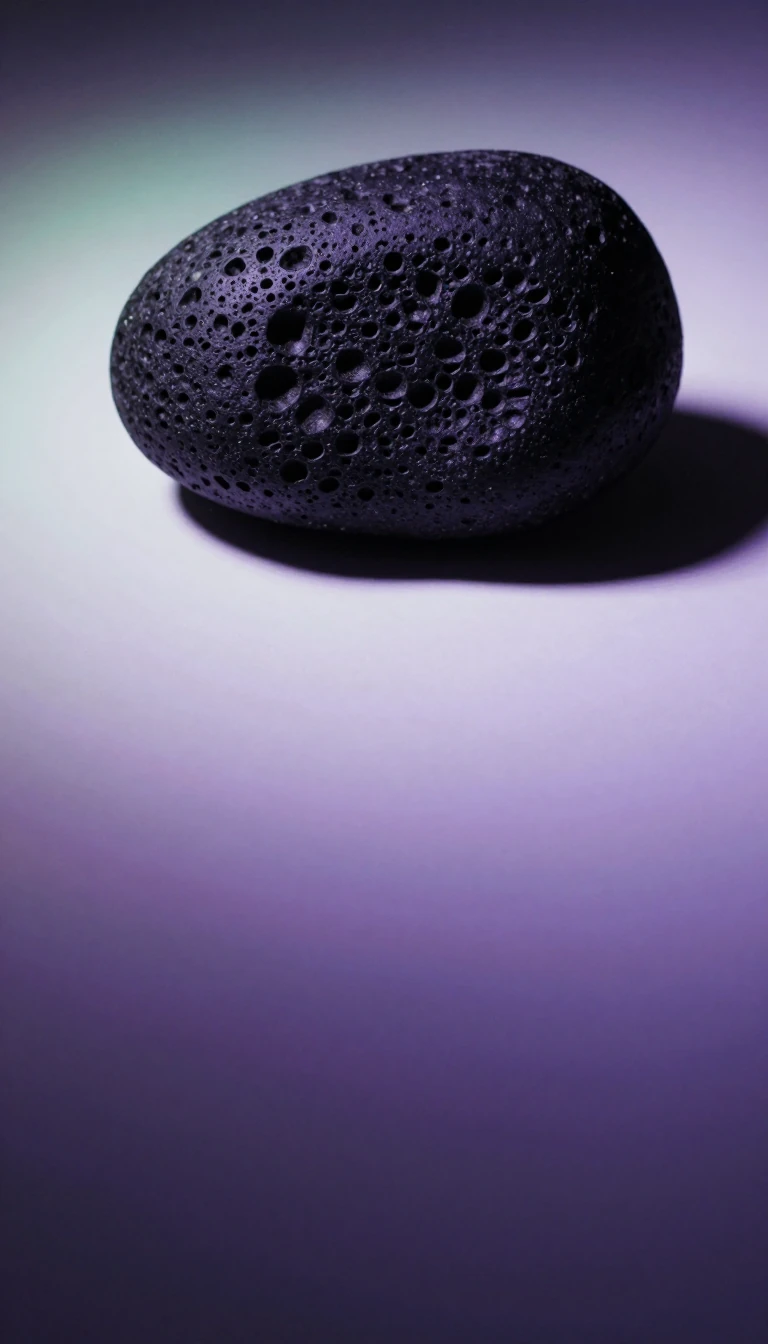
In short: Carbonate minerals are among the most common materials in the Earth's crust, yet they are defined by a singular, elegant structural secret. At their core lies a carbon atom locked within an equilateral triangle of oxygen atoms, a geometric arrangement that dictates everything from their softness to their optical properties.
The fundamental building block of this mineral family is the carbonate ion, CO32-. This structure is not merely a chemical label but a physical blueprint. Because the carbonate ion is planar, these minerals often exhibit marked anisotropy, meaning their physical properties change depending on the direction of measurement. A striking example is their high birefringence, a phenomenon where light is split as it passes through the crystal, a direct consequence of the ion's flat, layered arrangement.
While there are approximately 80 known carbonate minerals, the vast majority are rare. The most prominent varieties—calcite, dolomite, and aragonite—are essential components of the Earth's geology. Calcite serves as the primary mineral in limestones and marbles, while dolomite forms when magnesium replaces calcium in limestone structures. Aragonite, meanwhile, is frequently found in recent sediments and the skeletal remains of living organisms. Beyond these common types, other carbonates act as vital metal ores, providing sources for elements like iron, manganese, strontium, zinc, barium, and lead.
The internal architecture of these minerals generally falls into two primary groups: calcite and aragonite. In the calcite structure, CO3 groups align in parallel, horizontal layers, with adjacent layers pointing in opposite directions. This creates a rhombohedral cell, a distorted version of the sodium chloride structure. In contrast, the aragonite structure is orthorhombic. Here, the carbonate groups are rotated, and the central cation is coordinated to nine oxygen atoms rather than the six found in the calcite arrangement. This structural diversity extends to more complex forms, including hydrated carbonates and those containing rare-earth elements, which typically emerge from low-temperature hydrothermal processes.
Opens the Intellect+ feed with this card first. Swipe up for the next one.
Sources
- Summary by Intellect · source: Carbonate mineral | Types, Properties & Uses | Britannica
- Also: Carbonate mineral
To cite this card, link to https://intellectplus.co.uk/app/nature-carbonate-mineral.
How we source, check and correct cards: Editorial standards.
General information, not professional advice. Spotted an error? Flag the card or see corrections and complaints.
Intellect Plus is a visual educational discovery platform for exploring fascinating facts and ideas. Brain Food, Not Brain Rot. What is Intellect Plus?
Related
More in Geology · More in Nature · Latest · A–Z · All topics
