Why the Moon is made of a mineral that is rare on Earth
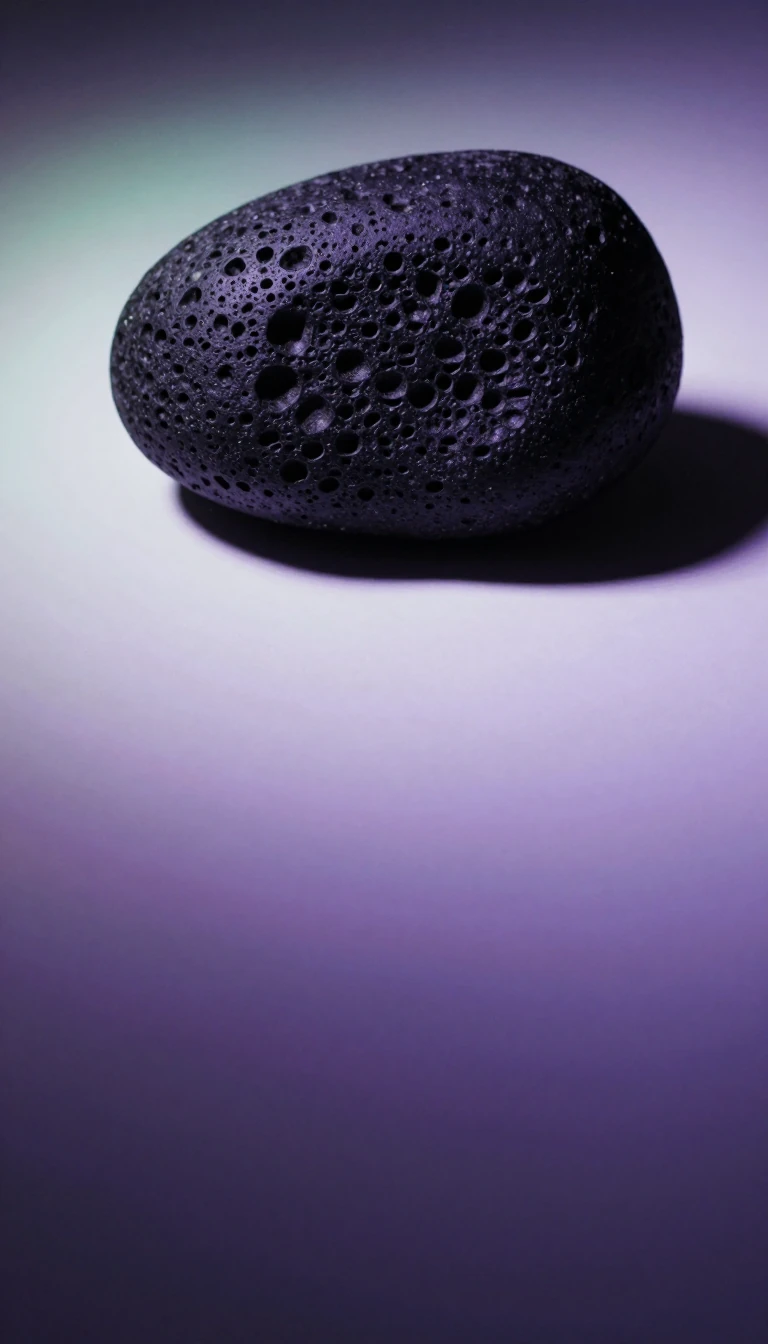
In short: Anorthite is the calcium-rich endmember of the plagioclase feldspar series, a common mineral group in igneous rocks. While it is a fundamental building block of the lunar highlands, pure anorthite is remarkably scarce on our own planet. Understanding why requires looking at its unique chemistry and high weathering potential.
Anorthite, defined by the chemical formula CaAl2Si2O8, sits at one extreme of the plagioclase solid solution series, with albite representing the sodium-rich opposite. In geological terms, the composition is measured by the molar percentage of the anorthite endmember, known as An%. While pure anorthite (An100) is the theoretical ideal, terrestrial samples rarely reach this level of purity. The mineral is typically found in mafic igneous rocks, as well as specific metamorphic environments like granulite facies and metamorphosed carbonate deposits. First described in 1823 at type localities in Italy, including Monte Somma and Valle di Fassa, it remains a subject of intense study for mineralogists.
The scarcity of anorthite on Earth’s surface is largely due to its vulnerability to chemical breakdown. According to the Goldich dissolution series, anorthite possesses a high weathering potential, meaning it degrades much faster than other common minerals when exposed to surface conditions. This rapid weathering explains why it is far less common in Earth's surficial rocks than its abundance in deep-seated igneous processes might otherwise suggest. At standard pressure, the mineral is also remarkably heat-resistant, requiring temperatures of 1550 ± 2 °C to reach its melting point.
Beyond Earth, anorthite takes on a much more prominent role. It is a primary constituent of the lunar highlands, famously identified in the Genesis Rock brought back by the Apollo 15 mission in 1971. Its reach extends even further into the solar system; it has been discovered in samples from comet Wild 2 and serves as a critical component of calcium-aluminum-rich inclusions found within rare chondritic meteorites. When analyzing these extraterrestrial samples, scientists must often account for additional cations like iron, which can complicate the standard terrestrial calculations used to determine anorthite content.
Opens the Intellect+ feed with this card first. Swipe up for the next one.
Sources
- Summary by Intellect · source: Anorthite
To cite this card, link to https://intellectplus.co.uk/app/nature-anorthite.
How we source, check and correct cards: Editorial standards.
General information, not professional advice. Spotted an error? Flag the card or see corrections and complaints.
Intellect Plus is a visual educational discovery platform for exploring fascinating facts and ideas. Brain Food, Not Brain Rot. What is Intellect Plus?
Related
More in Geology · More in Nature · Latest · A–Z · All topics
