Why do we find comfort in stories about the end of the world?
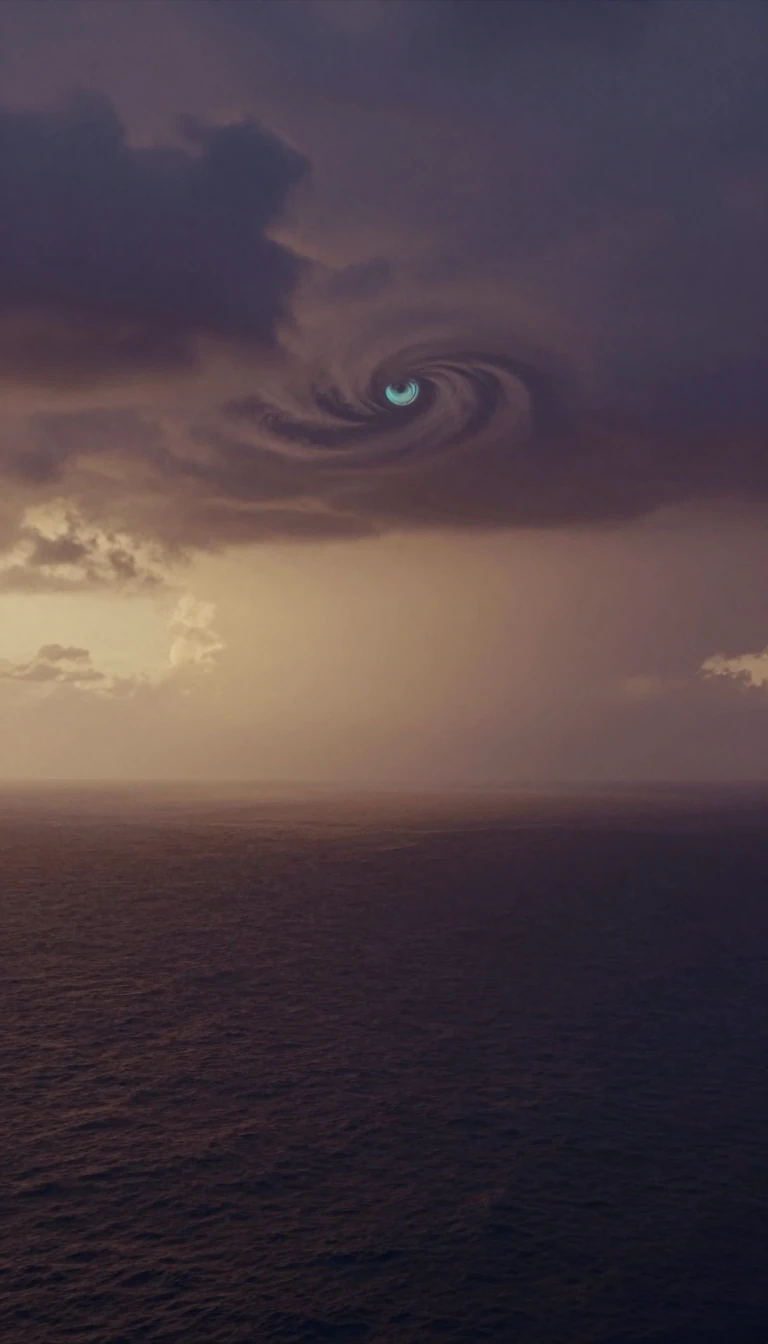
In short: Apocalyptic fiction is not just about destruction; it is a mirror for our deepest cultural anxieties. From ancient myths of divine floods to modern tales of alien invasion, these stories explore how humanity persists when civilization collapses. We are drawn to these narratives because they help us imagine the unimaginable.
The roots of apocalyptic literature stretch back to ancient Mesopotamia, where texts like the Epic of Gilgamesh and the Eridu Genesis, dating to around 2000–1500 BCE, depicted gods punishing humanity with floods. These early narratives established a template for survival, often featuring a chosen figure tasked with preserving life, a theme that echoes through the Biblical story of Noah and the Hindu Matsya Purana. In the latter, the Matsya avatar of Vishnu warns King Manu of an impending deluge, instructing him to build an ark to save his family, seeds, and animals.
Modern apocalyptic fiction emerged as a distinct genre in the 19th century, with Mary Shelley's 1826 novel The Last Man often cited as the first major work of the post-apocalyptic tradition. However, the genre exploded in popularity following World War II, as the reality of nuclear annihilation entered the public consciousness. These stories often focus on the 'ruined Earth'—a landscape where remnants of a technological past protrude into a primitive world—forcing survivors to confront a reality where modern progress has been rendered irrelevant.
Beyond mere entertainment, these narratives serve as a social science tool for analyzing cultural fears. Whether it is the 'Year Without a Summer' in 1816 inspiring Lord Byron’s poem 'Darkness' or contemporary concerns about AI and ecological collapse, the genre reflects what we value and what we dread. As some critics suggest, it may currently be easier for us to imagine the end of the world than the end of our existing economic systems, making these stories a vital, if unsettling, reflection of our collective psyche.
Opens the Intellect+ feed with this card first. Swipe up for the next one.
Sources
- Summary by Intellect · source: Apocalyptic and post-apocalyptic fiction
To cite this card, link to https://intellectplus.co.uk/app/nature-apocalyptic-and-post-apocalyptic-fiction.
How we source, check and correct cards: Editorial standards.
General information, not professional advice. Spotted an error? Flag the card or see corrections and complaints.
Intellect Plus is a visual educational discovery platform for exploring fascinating facts and ideas. Brain Food, Not Brain Rot. What is Intellect Plus?
Related
More in Earth science · More in Nature · Latest · A–Z · All topics
