Are birds and crocodiles actually just the most successful members of a lizard clade?
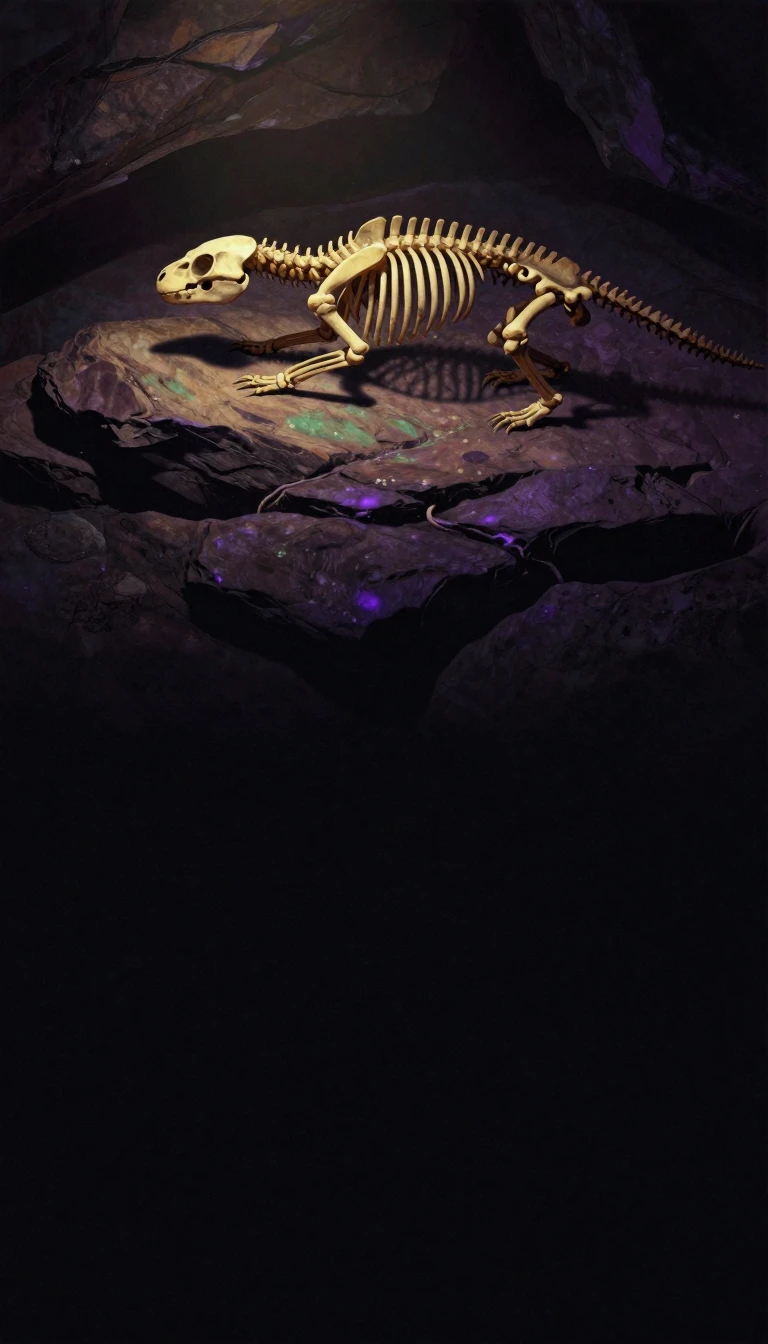
In short: Archosauromorpha, meaning ruling lizard forms, is a massive group of reptiles that includes dinosaurs, birds, and crocodiles. While early members were small, lizard-like creatures from the Permian, the lineage evolved into a staggering variety of forms, eventually dominating the planet long after their more primitive relatives went extinct.
Archosauromorpha first appeared during the late Middle or Late Permian, though they truly flourished during the Triassic. The group is defined by specific skeletal traits, such as the loss of the entepicondylar foramen in the humerus and the presence of unique vertebral laminae. Despite this, defining the clade has been historically difficult. Friedrich von Huene first coined the term in 1946, but it remained largely unused until the 1980s, when Jacques Gauthier and others applied modern cladistic analysis to clarify the relationships between archosaurs and lepidosaurs.
The group contains four primary lineages. The Rhynchosauria were stocky, beak-faced herbivores, while the Allokotosauria, including the iguana-like Trilophosaurus, represented another distinct branch. The third group, Archosauriformes, is the most famous, encompassing dinosaurs, pterosaurs, and their modern descendants: birds and crocodilians. Finally, a controversial, likely paraphyletic group of long-necked, sprawling carnivores—often called Protorosauria or Prolacertiformes—includes the bizarre Tanystropheus, which possessed a neck longer than its entire body.
Debate persists regarding the group's boundaries. Some researchers include semiaquatic choristoderes, while others argue that turtles, or Pantestudines, belong within the clade based on genetic evidence. This potential inclusion, known as Archelosauria, would significantly expand the group's definition. Meanwhile, Martin Ezcurra’s 2016 naming of Crocopoda—a subgroup defined by a specific ankle structure called a calcaneal tuber—has helped refine our understanding of how these diverse reptiles relate to one another. Despite these shifting classifications, the archosauromorphs remain one of the most significant and diverse lineages in vertebrate history.
Opens the Intellect+ feed with this card first. Swipe up for the next one.
Sources
- Summary by Intellect · source: Archosauromorpha
To cite this card, link to https://intellectplus.co.uk/app/nature-archosauromorpha.
How we source, check and correct cards: Editorial standards.
General information, not professional advice. Spotted an error? Flag the card or see corrections and complaints.
Intellect Plus is a visual educational discovery platform for exploring fascinating facts and ideas. Brain Food, Not Brain Rot. What is Intellect Plus?
Related
More in Vertebrates · More in Nature · Latest · A–Z · All topics
