The lizard-faced lineage that conquered the world for 180 million years
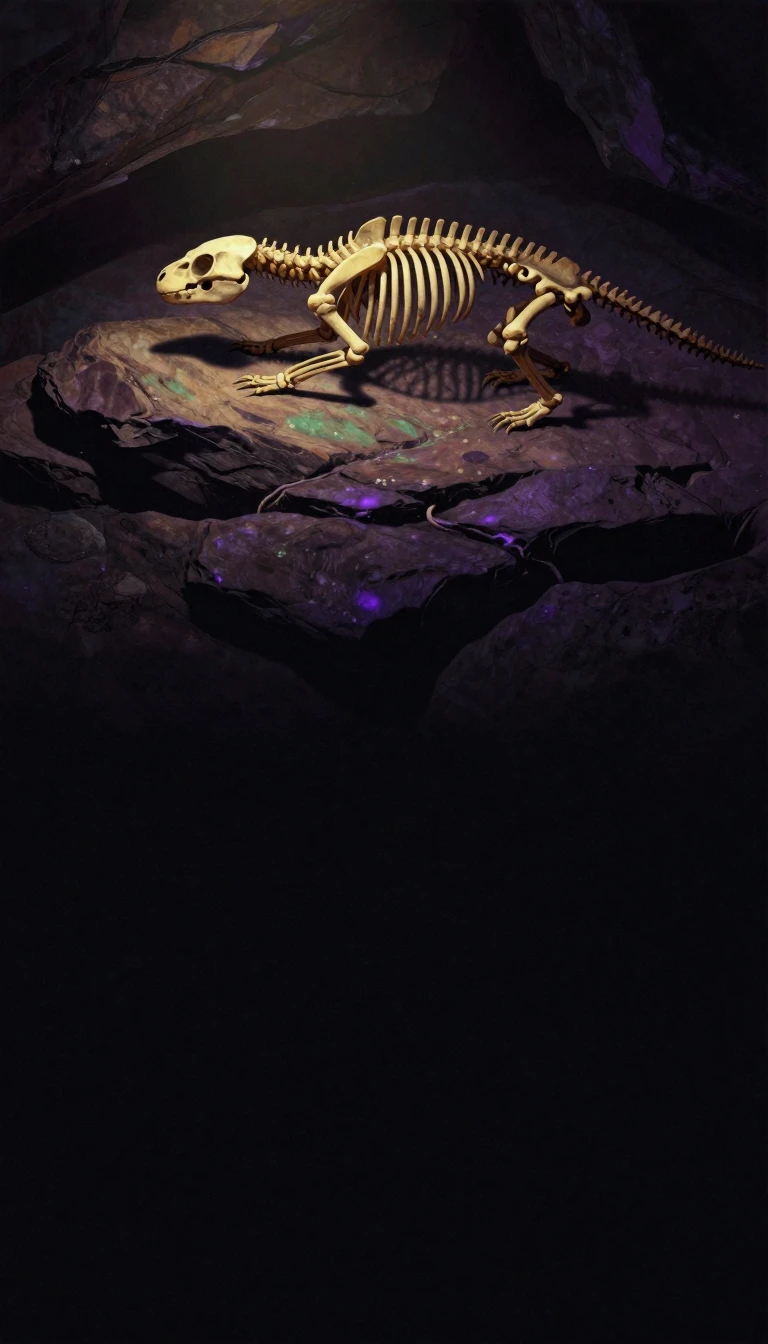
In short: For most of the Mesozoic, one group of animals owned the planet. They dominated the skies, the oceans, and the land, outcompeting the ancestors of mammals in every niche. Today, their legacy lives on in roughly 20,000 species, including every bird you see.
Sauropsida, which translates from Greek as "lizard faces," is the massive clade of amniotes that includes all modern reptiles and birds. While often used interchangeably with the class Reptilia, the term is technically broader, encompassing extinct stem-group relatives. The defining evolutionary split occurred approximately 320 million years ago during the Carboniferous Period, separating the lineage leading to mammals (Synapsida) from the lineage leading to reptiles and birds (Sauropsida).
The history of classifying these "true reptiles" is a saga of shifting scientific consensus. In 1864, Thomas Henry Huxley first grouped birds with reptiles based on fossil evidence, though his original definition was messy enough to include some mammal-like relatives. By the 20th century, researchers like E.S. Goodrich attempted to refine these boundaries using heart structures and forebrain anatomy. However, modern phylogenetics has revealed that many traditional groups, such as "Parareptilia," are not monophyletic, meaning they don't all share a single common ancestor exclusive to them.
The sheer scale of sauropsid success is staggering. During the Mesozoic Era, they were the dominant tetrapods on Earth. After the Cretaceous-Paleogene extinction wiped out the non-avian dinosaurs and marine reptiles like mosasaurs, the remaining sauropsids—specifically birds—diversified so rapidly that they now account for nearly one out of every three species of land vertebrates. This highlights a profound biological reality: while mammals filled the large niches left by dinosaurs, the sauropsid lineage maintained its dominance in biodiversity.
Recent discoveries continue to reshape the tree. A 2025 paper identified a new clade, Parapleurota, which links certain parareptiles to neodiapsids based on the presence of a tympanic membrane for hearing. These findings illustrate that even after millions of years, the exact architecture of the "lizard face" lineage remains a complex, evolving puzzle for paleontologists.
Opens the Intellect+ feed with this card first. Swipe up for the next one.
Sources
- Summary by Intellect · source: Sauropsida
To cite this card, link to https://intellectplus.co.uk/app/nature-sauropsida.
How we source, check and correct cards: Editorial standards.
General information, not professional advice. Spotted an error? Flag the card or see corrections and complaints.
Intellect Plus is a visual educational discovery platform for exploring fascinating facts and ideas. Brain Food, Not Brain Rot. What is Intellect Plus?
Related
More in Organisms · More in Nature · Latest · A–Z · All topics
