Why this German town is known as the Franconian Rome and Little Venice
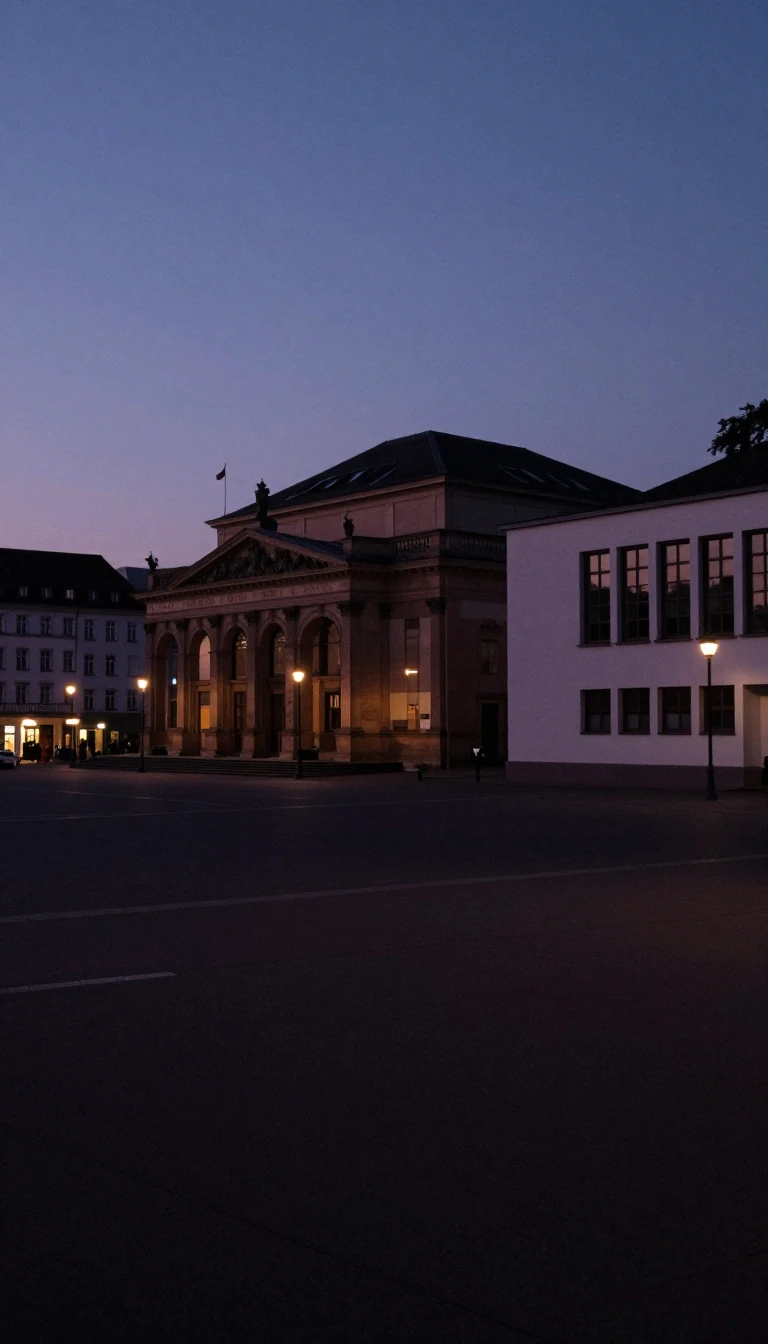
In short: Bamberg, a Bavarian treasure, is defined by its dramatic geography. Built across seven hills, each crowned by a historic church, the city also sits upon the river Regnitz. This unique landscape creates a blend of medieval architecture and island districts, earning it both a UNESCO World Heritage status and global renown.
Bamberg’s identity is deeply rooted in its physical setting. Located in Upper Franconia, the town is split into three distinct zones: the Regnitz plain, the island-filled Inselstadt, and the elevated Bergstadt. The city’s nickname, the Franconian Rome, stems from its seven hills—Cathedral Hill, Michaelsberg, Kaulberg, Stefansberg, Jakobsberg, Altenburger Hill, and Abtsberg—each topped with a church. This topography, combined with the Regnitz river flowing through its heart, creates a striking urban layout that has remained largely intact since the Middle Ages.
The river’s influence extends beyond aesthetics. The Old Town Hall, constructed in 1386, sits directly in the middle of the Regnitz, accessible only by two bridges. Along the riverbanks, the 19th-century fishermen’s houses of Klein-Venedig, or Little Venice, further emphasize the city's aquatic character. This geography has supported unique traditions, such as the centuries-old practice of inner-city market gardening, which remains a vital part of the town’s UNESCO-protected heritage today.
Beyond its physical beauty, Bamberg serves as a significant economic and cultural hub. With a population of 79,000 in 2022, the city balances its historic preservation with a robust modern economy. It ranks among the 15 strongest economic regions in Bavaria, driven by automotive supply, electrical engineering, and a thriving tourism sector that attracts over 800,000 overnight guests annually. The city’s resilience is evident in its ability to manage these modern demands while maintaining the medieval streets and 2,400 timber houses that have defined its character for centuries.
The climate of the region, classified as a Marine West Coast or Oceanic climate, provides mild seasonal variations and consistent rainfall, supporting the lush surroundings of the Steigerwald foothills. This stable environment has allowed Bamberg to evolve from a 9th-century settlement into a modern center of industry and education, all while preserving the monumental architecture that reflects its history as a former seat of the Holy Roman Empire.
Opens the Intellect+ feed with this card first. Swipe up for the next one.
Sources
- Summary by Intellect · source: Bamberg
To cite this card, link to https://intellectplus.co.uk/app/nature-bamberg.
How we source, check and correct cards: Editorial standards.
General information, not professional advice. Spotted an error? Flag the card or see corrections and complaints.
Intellect Plus is a visual educational discovery platform for exploring fascinating facts and ideas. Brain Food, Not Brain Rot. What is Intellect Plus?
Related
More in Physical geography · More in Nature · Latest · A–Z · All topics
