Reutlingen: A German city shaped by fire, industry, and the world's narrowest street
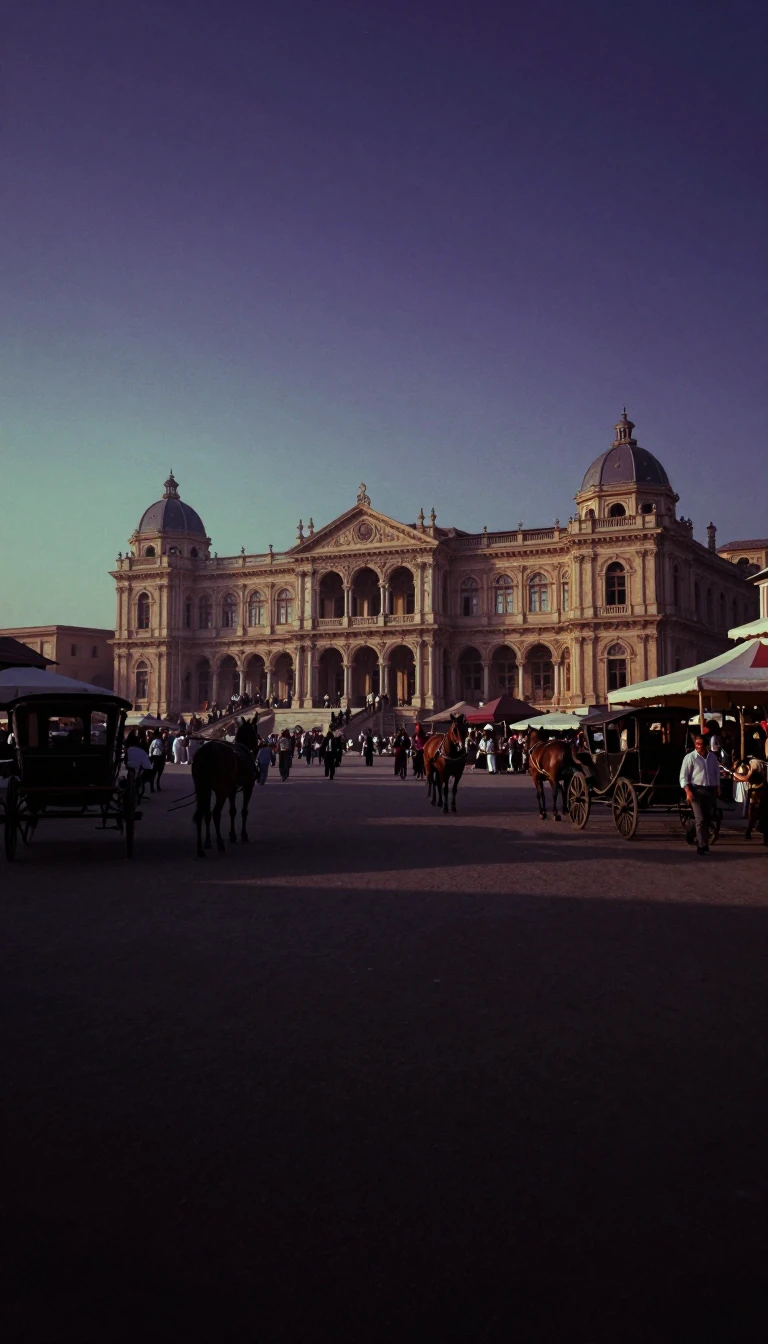
In short: Nestled near the Swabian Jura, Reutlingen is a historic German city defined by its resilience. From its origins as a medieval settlement to its role as an industrial hub, the city has survived devastating fires and wartime destruction, while maintaining unique local traditions like the annual Mutschel bread games.
Reutlingen, located in the southwest corner of Germany, serves as the gateway to the Swabian Jura. Its history is deeply rooted in the medieval era, with the first settlements appearing in the 4th or 5th century. By 1089, the name Reutlingen appeared in the Bempflingen Treaty, an inheritance agreement involving the local nobility. The city grew in strategic importance, receiving market privileges from Frederick Barbarossa in 1180 and achieving city status between 1220 and 1240, a period that saw the construction of defensive walls and the landmark St. Mary's Church.
The city's path was often turbulent. As an Imperial City of the Holy Roman Empire, it navigated complex political alliances and conflicts, including the Swabian League's victory over the Count of Württemberg in 1377. However, the most catastrophic event occurred in 1726, when a three-day fire destroyed 80% of residential housing and nearly all public buildings, leaving 1,200 families homeless. Centuries later, during World War II, the city became a target for allied bombing raids due to its manufacturing of V-1 flying bomb components.
Today, Reutlingen is a modern center for the Neckar-Alb region, known for its university of applied sciences and diverse manufacturing sectors, including machinery and textiles. It is also home to the world's narrowest street, Spreuerhofstraße, which measures just 31 cm in width. Beyond its architecture, the city preserves distinct cultural heritage, such as the Mutscheltag tradition on the first Thursday after Epiphany, where residents compete in dice games to win loaves of bread. This blend of historical endurance and contemporary innovation defines the character of the city.
Opens the Intellect+ feed with this card first. Swipe up for the next one.
Sources
- Summary by Intellect · source: Reutlingen
- Also: Wikidata — Reutlingen · CC0
- Also: Wikidata — Reutlingen · CC0
To cite this card, link to https://intellectplus.co.uk/app/places-reutlingen.
How we source, check and correct cards: Editorial standards.
General information, not professional advice. Spotted an error? Flag the card or see corrections and complaints.
Intellect Plus is a visual educational discovery platform for exploring fascinating facts and ideas. Brain Food, Not Brain Rot. What is Intellect Plus?
Related
More in Bodies of water · More in Countries & Cities · Latest · A–Z · All topics
