Why the world’s wildlife is divided into distinct, isolated evolutionary neighborhoods
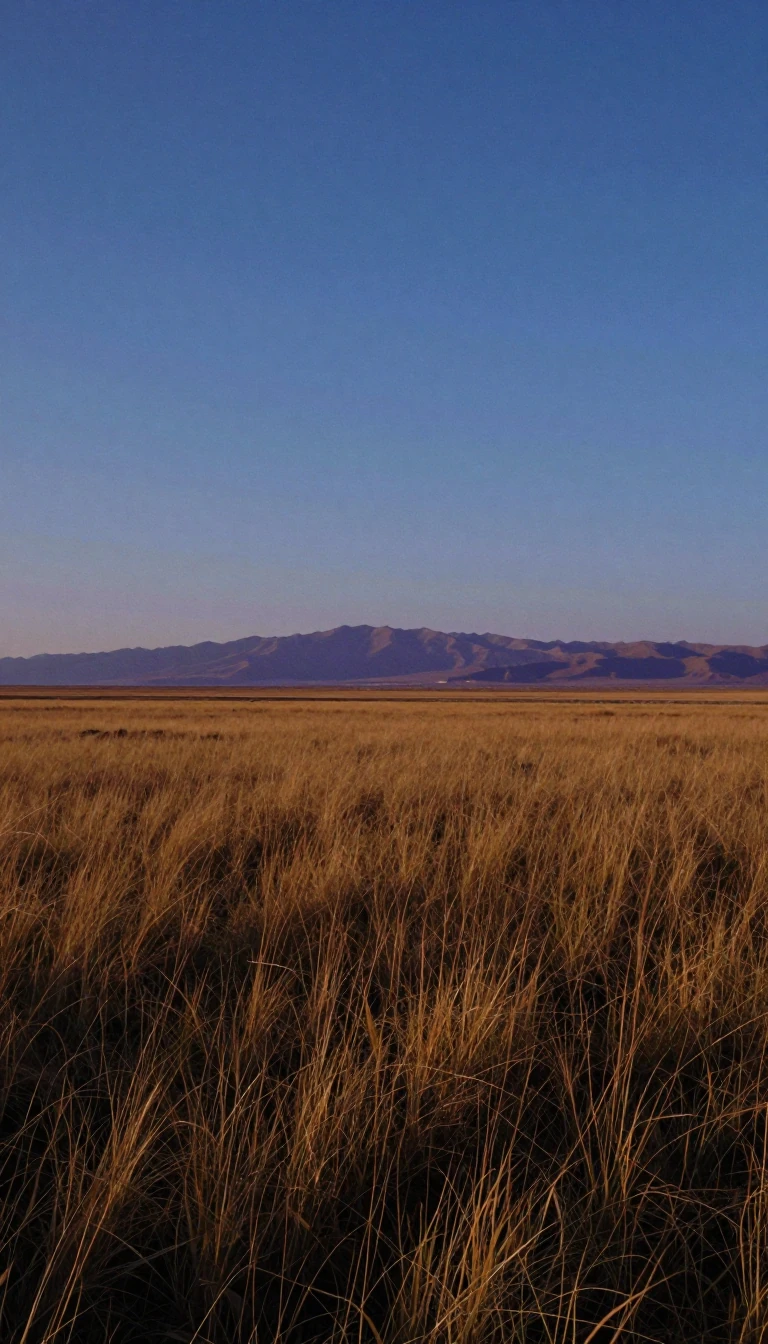
In short: Biogeographic realms are the planet's broadest biological divisions, defined not by climate, but by deep evolutionary history. Separated by massive geographic barriers like oceans and mountain ranges, these regions act as isolated laboratories where life has evolved along unique paths, creating distinct groupings of organisms that share a common ancestry.
A biogeographic realm represents the largest scale of terrestrial biological classification. Unlike biomes, which categorize environments based on climate, soil, and vegetation structure, realms are defined by the evolutionary lineage of the organisms within them. Two forests in different parts of the world might look identical in structure and climate, yet they will house entirely different species because they belong to separate evolutionary neighborhoods.
The foundation of this system dates back to 1872, when Alfred Russel Wallace expanded upon the work of ornithologist Philip Sclater. These divisions are fundamentally shaped by Earth's geological history, specifically the movement of landmasses via plate tectonics. Barriers such as vast deserts, high mountains, and oceans have historically prevented migration, forcing species to evolve in relative isolation. This is why the taxonomic composition of a region—its specific mix of plants, animals, and fungi—serves as the primary indicator for its realm.
While the system is widely used, it is not without complexity. Miklos Udvardy’s influential scheme, based on taxonomic composition, remains a standard, though it is often compared to the World Wildlife Fund’s (WWF) framework. The primary differences between these models often involve the placement of specific islands and regions, such as New Guinea or New Zealand, which may be categorized differently depending on whether one follows Udvardy or the WWF. Furthermore, while these realms work well for terrestrial life, their applicability to freshwater taxa remains a subject of ongoing scientific debate.
Modern researchers like Morrone have further refined these boundaries by identifying transition zones—areas where different realms meet and overlap, such as the Mexican or Saharo-Arabian zones. These classifications, which mirror botanical floristic kingdoms and zoogeographic regions, provide a vital framework for understanding the distribution of life. By mapping these realms, scientists can better grasp how the long-term separation of landmasses has dictated the unique biological character of our planet.
Opens the Intellect+ feed with this card first. Swipe up for the next one.
Sources
- Summary by Intellect · source: Biogeographic realm
To cite this card, link to https://intellectplus.co.uk/app/nature-biogeographic-realm.
How we source, check and correct cards: Editorial standards.
General information, not professional advice. Spotted an error? Flag the card or see corrections and complaints.
Intellect Plus is a visual educational discovery platform for exploring fascinating facts and ideas. Brain Food, Not Brain Rot. What is Intellect Plus?
Related
More in Physical geography · More in Nature · Latest · A–Z · All topics
