Bioko: The Volcanic African Island That Was Once Connected to the Mainland
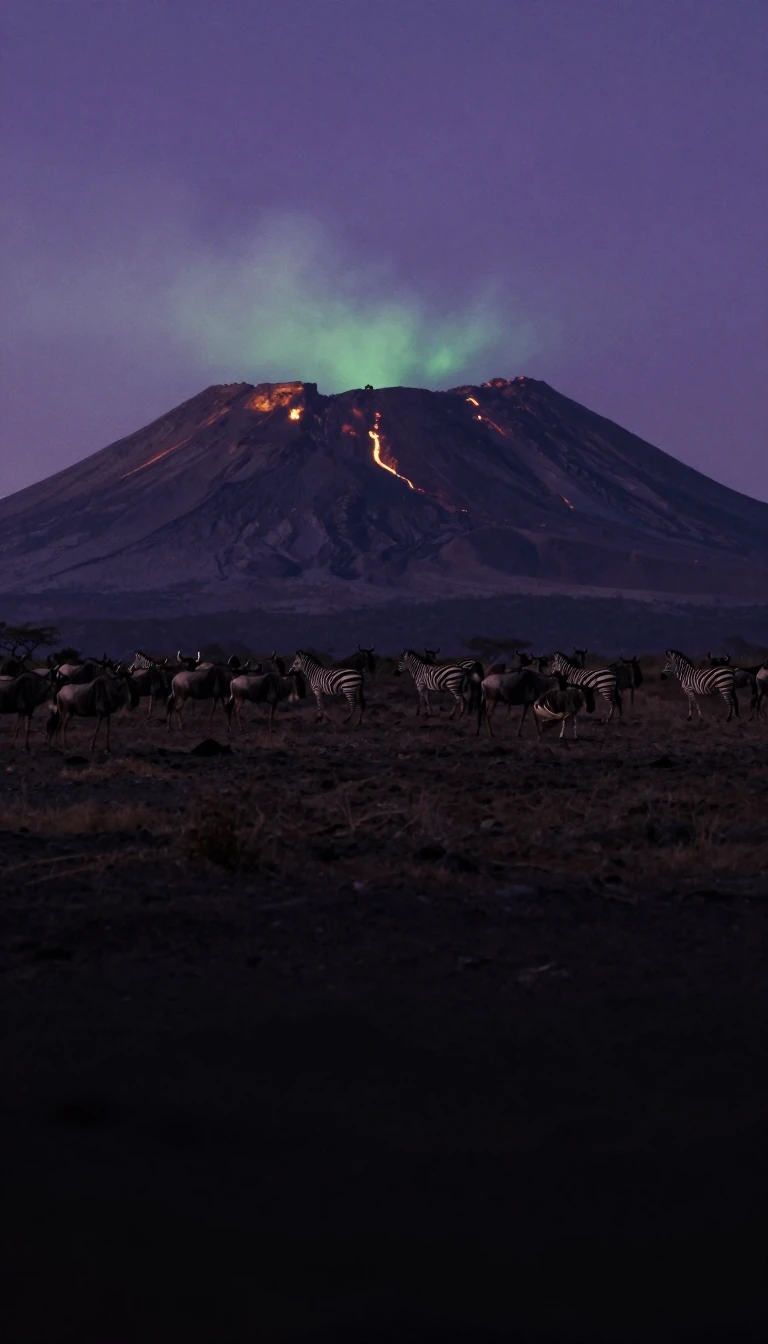
In short: Located just 32 kilometres off the coast of Cameroon, Bioko is a volcanic island with a complex history. Once physically joined to the African mainland until the end of the last Ice Age, it has served as a colonial outpost, a hub for the slave trade, and a sanctuary for unique biodiversity.
Bioko, historically known as Fernando Pó, is a 2,017-square-kilometre island in the Gulf of Guinea. Geologically part of the Cameroon line of volcanoes, its landscape is dominated by the 3,012-metre-high Pico Basilé. The island’s geography is defined by a dramatic north-south rainfall gradient, with Ureka in the south recording some of the highest annual precipitation levels in Africa, reaching approximately 10,920 millimetres. This moisture sustains dense tropical rainforests that provide critical habitats for endemic species, including the endangered Bioko drill and the Bioko montane chameleon.
The island’s human history is equally layered. Indigenous Bantu-speaking Bubi tribes have inhabited Bioko since at least the middle of the first millennium BC. Following its sighting by Portuguese navigator Fernão do Pó in 1472, the island became a focal point for European colonial ambitions. Over the centuries, it transitioned through Portuguese, British, and Spanish control. During the 19th century, the British used the island as a base for the Preventive Squadron to intercept slave ships, while later periods saw the island used for cocoa cultivation, which unfortunately devolved into de facto slavery for migrant labourers.
Today, Bioko is a province of Equatorial Guinea, with its capital, Malabo, situated on the north coast. The island’s economy has shifted significantly toward the energy sector, with the Alba Gas Plant on Punta Europa processing natural gas for global export. Despite this industrial development, conservation remains a priority; roughly 40% of the island is protected within the Pico Basilé National Park and the Luba Crater Scientific Reserve. In 2025, the island received further international recognition when it was designated as a UNESCO biosphere reserve, reflecting its status as a vital ecological site in the Gulf of Guinea.
Opens the Intellect+ feed with this card first. Swipe up for the next one.
Sources
- Summary by Intellect · source: Bioko
To cite this card, link to https://intellectplus.co.uk/app/nature-bioko.
How we source, check and correct cards: Editorial standards.
General information, not professional advice. Spotted an error? Flag the card or see corrections and complaints.
Intellect Plus is a visual educational discovery platform for exploring fascinating facts and ideas. Brain Food, Not Brain Rot. What is Intellect Plus?
Related
More in Physical geography · More in Nature · Latest · A–Z · All topics
