The black rat is a global survivor that reshaped ecosystems and human history
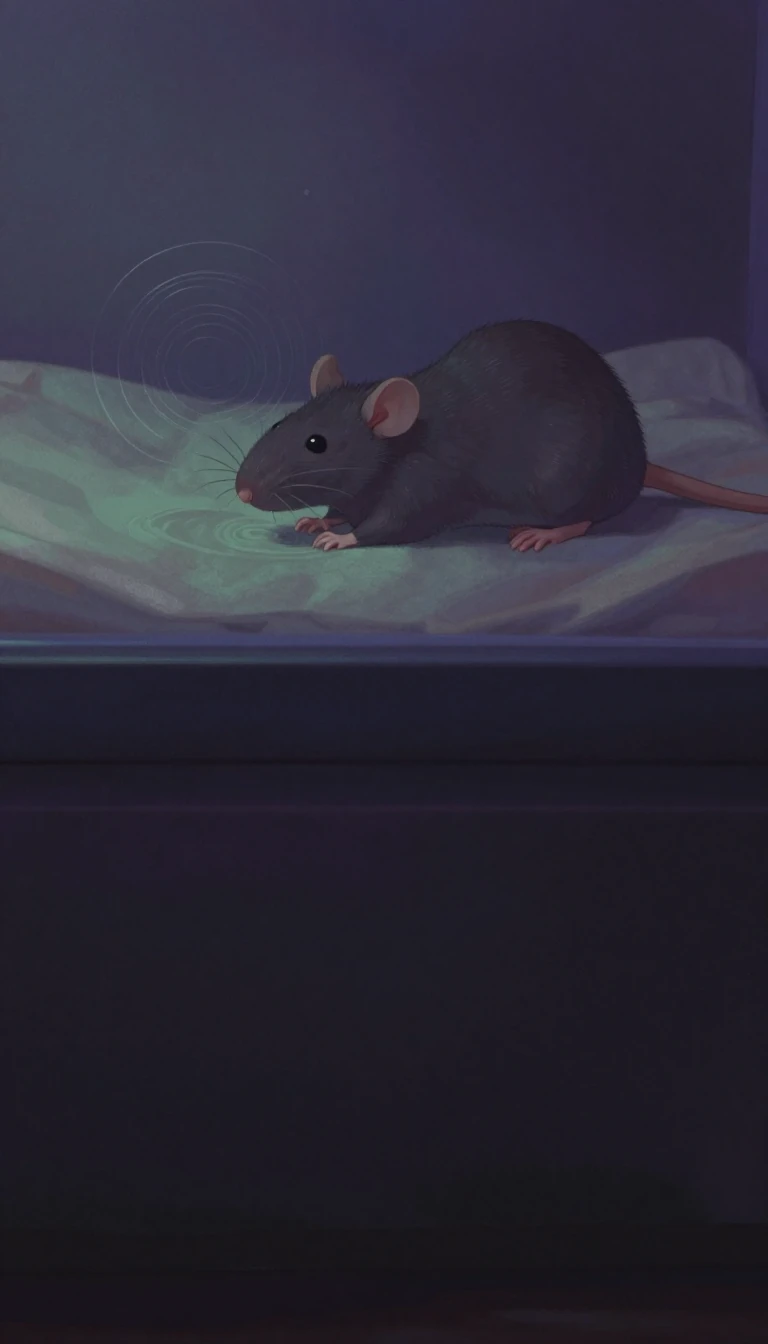
In short: Often blamed for the Black Death, the black rat is a master of adaptation. From sacred temple residents in India to invasive pests destroying island bird populations, this agile climber has followed human expansion for millennia. Yet, recent science suggests its role in history is more complex than once thought.
The black rat, Rattus rattus, is a quintessential synanthrope—a species that thrives in close association with humans. Originating in the Indian subcontinent, these rodents have spread globally, hitching rides on ships and trade routes. While they are often associated with urban environments, preferring the dry, upper levels of buildings like false ceilings, they are equally at home in forests and cliffs. Their success is rooted in their status as generalist omnivores, capable of consuming everything from agricultural crops and seeds to insects and small vertebrates.
Historically, the black rat was considered the primary vector for the bubonic plague, Yersinia pestis, which devastated Europe during the Black Death. However, modern research has challenged this narrative. Studies indicate that the geographical spread of plague outbreaks often failed to align with rat population movements, suggesting that humans themselves may have been the primary vectors. Furthermore, archaeological evidence in England has raised questions about whether the black rat was even present in sufficient numbers during the height of the pandemic. While they certainly carried plague-bearing fleas, the reality of their role in these historical catastrophes remains a subject of intense scientific debate.
Ecologically, the black rat is a double-edged sword. In places like New Zealand, Madagascar, and the Galapagos, their introduction has been catastrophic for native species, leading to the decline or extinction of birds and snails. They are highly efficient predators, responsible for up to 96% of nest predations in some areas. Conversely, in Australia, they have unexpectedly filled the ecological niche of the native bush rat, acting as a vital vector for the dispersal of fungal spores from truffles. This complexity makes them a challenging subject for conservationists, who must weigh the benefits of their presence against the severe damage they cause to local biodiversity.
Opens the Intellect+ feed with this card first. Swipe up for the next one.
Sources
- Summary by Intellect · source: Black rat
To cite this card, link to https://intellectplus.co.uk/app/nature-black-rat.
How we source, check and correct cards: Editorial standards.
General information, not professional advice. Spotted an error? Flag the card or see corrections and complaints.
Intellect Plus is a visual educational discovery platform for exploring fascinating facts and ideas. Brain Food, Not Brain Rot. What is Intellect Plus?
Related
More in Vertebrates · More in Nature · Latest · A–Z · All topics
