This armored Devonian fish may have used its strange, jointed fins to walk
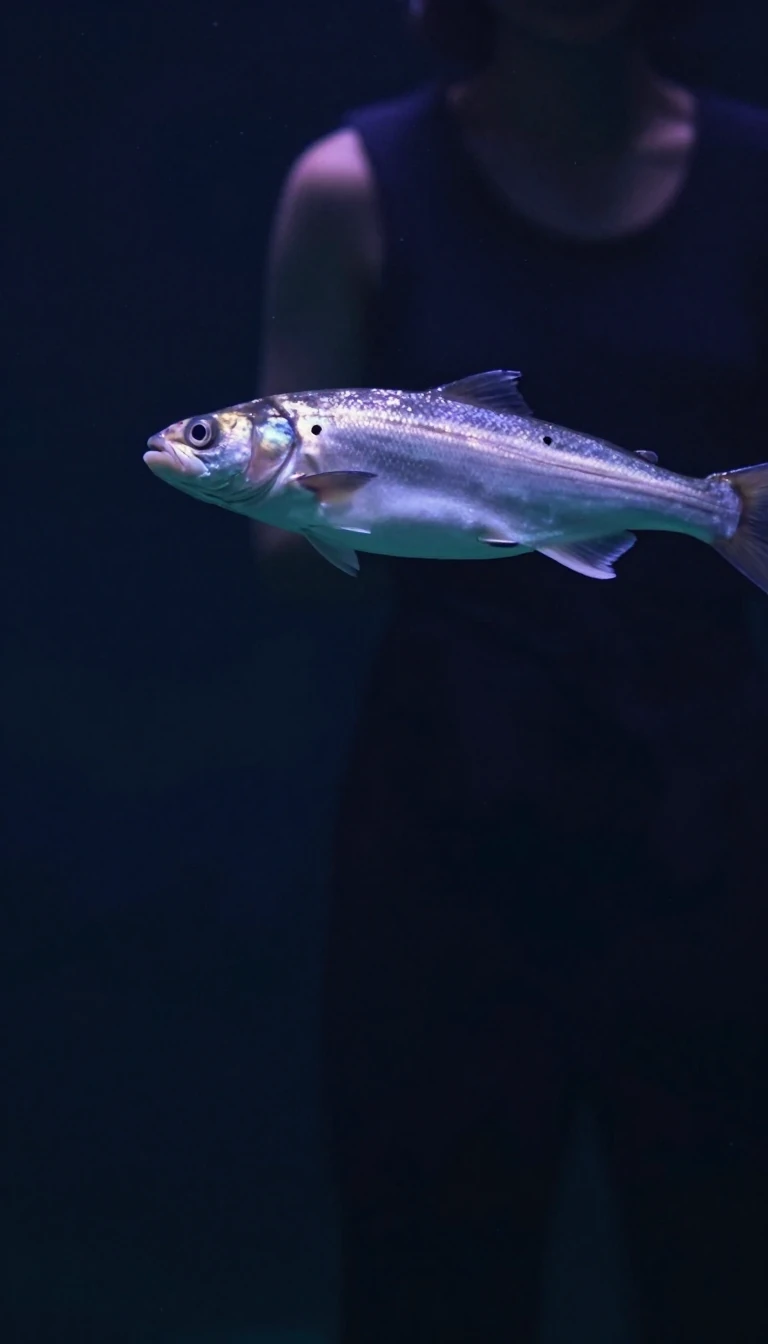
In short: Bothriolepis was a widespread, heavily armored bottom-dweller that thrived in the Devonian period. While most species were small, this genus featured a bizarre anatomy, including jointed pectoral fins and a specialized internal structure that some researchers believe functioned as lungs, potentially allowing the creature to traverse land.
Living between 387 and 360 million years ago, Bothriolepis was a diverse genus of antiarch placoderms. These jawed vertebrates were defined by their heavy, three-layered bony armor that encased the head and anterior trunk. While the posterior body was likely soft-skinned and scaleless, the front was protected by a rigid thoracic shield. This armor was essential for a benthic lifestyle, as the fish were prone to sinking quickly if they lost forward momentum.
The genus is famous for its unique pectoral fins, which were jointed at the base and again halfway along their length. These appendages likely served multiple purposes: lifting the fish off the sediment, acting as stabilizers, or even throwing mud over the body. Its mouth, positioned on the ventral side of the head, confirms its role as a bottom-feeder that consumed detritus and organic matter. Internally, Bothriolepis possessed a specialized spiral valve in its alimentary system, a feature comparable to that found in modern sharks.
One of the most debated aspects of Bothriolepis is its respiratory system. Some early researchers hypothesized that paired ventral sacs connected to the pharynx acted as lungs, allowing the animal to gulp air at the water's surface and potentially move on land. However, this remains contested; critics argue that the evidence for these lungs is inconclusive and that the genus was restricted to marine environments. Regardless, with over 60 species identified worldwide, Bothriolepis remains a cornerstone for understanding vertebrate evolution during the Paleozoic Era.
The largest known species, B. rex, reached an estimated length of 170 centimeters, significantly larger than the average 30-centimeter species. Because fossils are often found in freshwater sediments, it is presumed that these fish spent most of their lives in rivers and lakes, though their global distribution suggests they were capable of navigating coastal marine environments as well.
Opens the Intellect+ feed with this card first. Swipe up for the next one.
Sources
- Summary by Intellect · source: Bothriolepis
- Also: Bothriolepis | Devonian fish, armored fish, jawless fish | Britannica
To cite this card, link to https://intellectplus.co.uk/app/nature-bothriolepis.
How we source, check and correct cards: Editorial standards.
General information, not professional advice. Spotted an error? Flag the card or see corrections and complaints.
Intellect Plus is a visual educational discovery platform for exploring fascinating facts and ideas. Brain Food, Not Brain Rot. What is Intellect Plus?
Related
More in Vertebrates · More in Nature · Latest · A–Z · All topics
