Before jaws dominated the oceans, this armored fish ruled the Early Devonian seas.
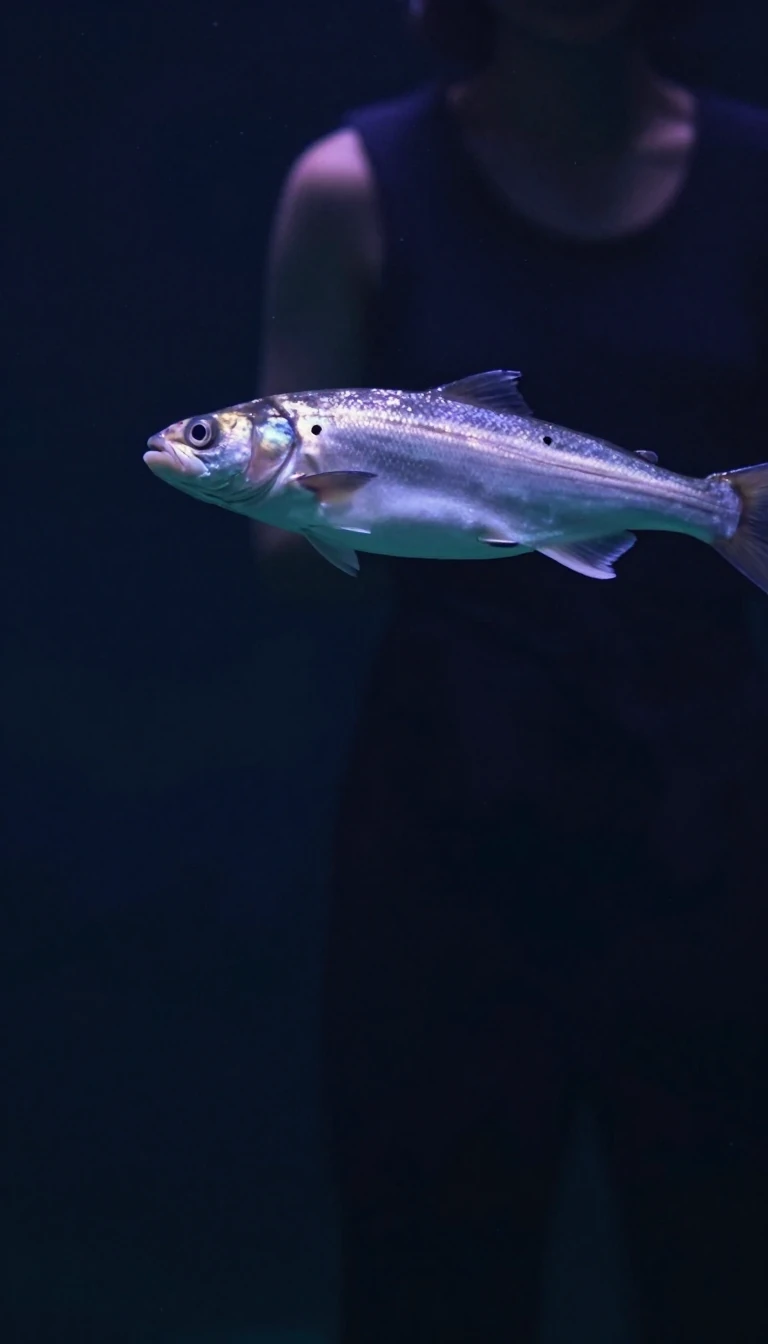
In short: Pteraspis was a jawless vertebrate that thrived millions of years ago, protected by a distinctive bony shell. Measuring only a few inches, this ancient creature navigated prehistoric waters using unique wing-like structures. It represents a fascinating chapter in the evolution of early life long before modern fish species emerged.
Pteraspis belongs to an extinct group of jawless vertebrates that inhabited the Earth during the Early Devonian period, roughly 398 to 416 million years ago. These creatures are primarily identified by the fossilized remains discovered across regions now known as North America and Europe. Unlike modern vertebrates that possess complex jaws, Pteraspis relied on a specialized morphology that allowed it to survive in diverse aquatic environments, with records indicating its presence in both marine and freshwater settings.
The most striking feature of Pteraspis was its robust, rounded bony armor that encased the front portion of its body. This protective plating provided a significant defense mechanism against potential predators. Beyond its primary shield, the animal featured unique protrusions extending from its gill covers, which resembled wings, alongside a central dorsal projection. These physical adaptations, combined with a horn-like rostrum, suggest that Pteraspis may have possessed surprising agility and swimming capabilities for a creature of its time. While its exact size varied, some specimens reached lengths of approximately 16 centimeters, though other records suggest they could grow up to 27 centimeters.
As a member of the broader vertebrate subphylum, Pteraspis shares a lineage with animals that eventually developed backbones and sophisticated nervous systems. While living jawless fishes like lampreys and hagfishes offer some insight into ancient body plans, Pteraspis remains a distinct example of early evolutionary experimentation. Researchers believe it likely fed on plankton near the ocean surface, utilizing its specialized anatomy to thrive. The study of these fossils continues to provide essential context for understanding how early vertebrates transitioned from simple, notochord-bearing organisms into the diverse array of species that dominate the planet today.
Opens the Intellect+ feed with this card first. Swipe up for the next one.
Sources
- Summary by Intellect · source: Pteraspis | Devonian, Placoderm, Armor | Britannica
- Also: Pteraspis
To cite this card, link to https://intellectplus.co.uk/app/nature-pteraspis.
How we source, check and correct cards: Editorial standards.
General information, not professional advice. Spotted an error? Flag the card or see corrections and complaints.
Intellect Plus is a visual educational discovery platform for exploring fascinating facts and ideas. Brain Food, Not Brain Rot. What is Intellect Plus?
Related
More in Vertebrates · More in Nature · Latest · A–Z · All topics
