Why the world's largest cattle are not always what they seem to be
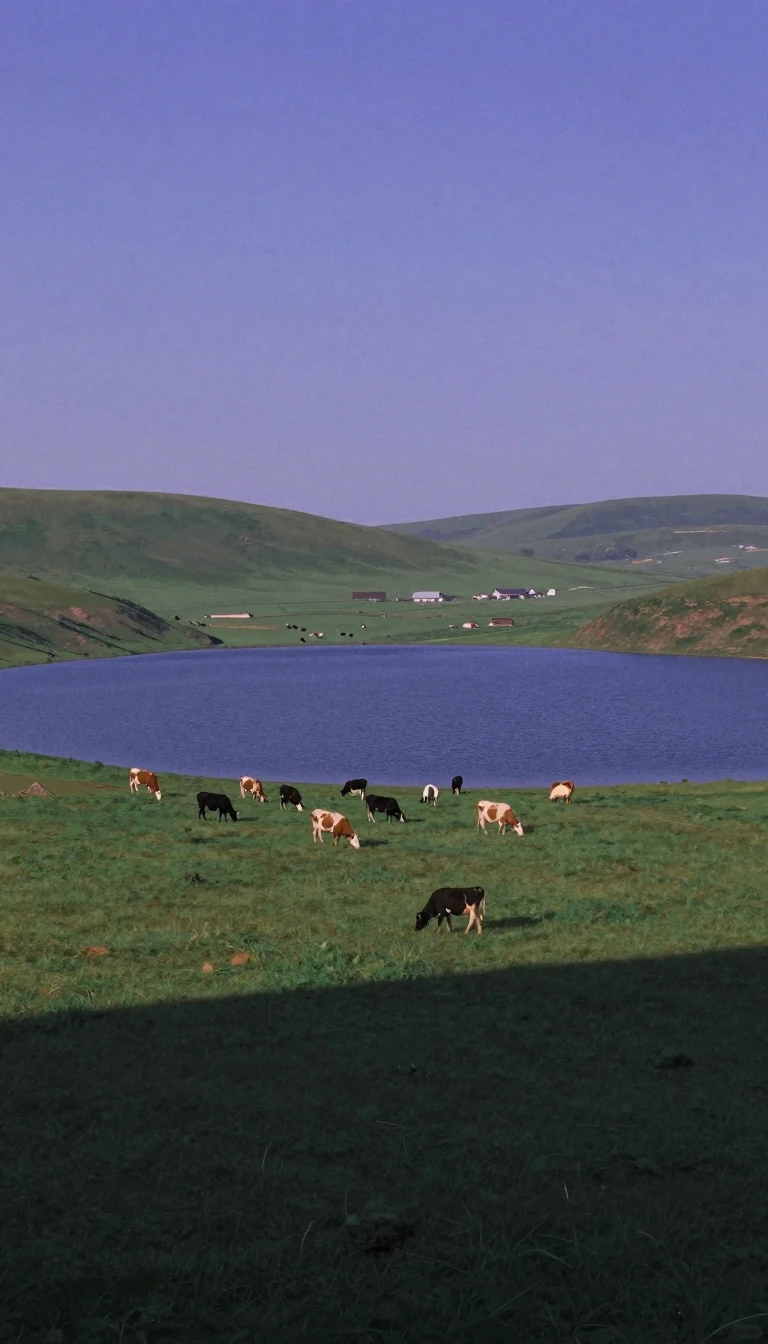
In short: From the antelope-like saola to the massive gaur, the tribe Bovini represents the largest members of the family Bovidae. While humans have successfully domesticated five of these seven species, wild populations face extinction. Understanding these complex animals requires looking beyond their familiar role as livestock to their ancient evolutionary roots.
The tribe Bovini, formally described by British zoologist John Edward Gray in 1821, encompasses a diverse group of wild cattle native to Eurasia, Africa, and North America. These animals are characterized by their massive size and the presence of smooth horns in both sexes, a feature that distinguishes them from other bovids. While the gaur stands as the largest species, weighing up to 1,500 kilograms, the tribe also includes smaller, island-dwelling dwarf species like the anoa. Their physical evolution has been shaped by their environment; most species inhabit forested regions where they rely on tall grass and abundant water, though some, like the American bison, have adapted to open plains.
Evolutionary research suggests that wild cattle originated in Asia south of the Himalayas during the Late Miocene. Molecular studies and the fossil record indicate that the three primary subtribes—Pseudorygina, Bubalina, and Bovina—diverged from a common ancestor approximately 13.7 million years ago. This history is marked by significant migration, with bovines moving into Africa and later into Europe and North America. The colonization of North America occurred in two distinct waves via the Bering Land Bridge, the earliest taking place between 135,000 and 195,000 years ago.
The study of Bovini is complicated by a history of ancient hybridization, which obscures clear phylogenetic relationships. Today, this legacy continues through human-led crossbreeding, such as the creation of the beefalo. While hybridization has been used to improve agricultural traits and support conservation efforts, it also poses risks by diluting the genetic diversity of wild populations. Furthermore, the taxonomy remains a subject of active debate, as chromosomal analysis reveals significant variation between species. Understanding these mechanisms is vital, as many wild species are currently threatened by unregulated hunting and habitat loss to make room for the 1.4 billion cattle now managed by humans worldwide.
Opens the Intellect+ feed with this card first. Swipe up for the next one.
Sources
- Summary by Intellect · source: Bovini
To cite this card, link to https://intellectplus.co.uk/app/nature-bovini.
How we source, check and correct cards: Editorial standards.
General information, not professional advice. Spotted an error? Flag the card or see corrections and complaints.
Intellect Plus is a visual educational discovery platform for exploring fascinating facts and ideas. Brain Food, Not Brain Rot. What is Intellect Plus?
Related
More in Organisms · More in Nature · Latest · A–Z · All topics
