The browse line: how hungry herbivores reshape forests and silence the songbirds
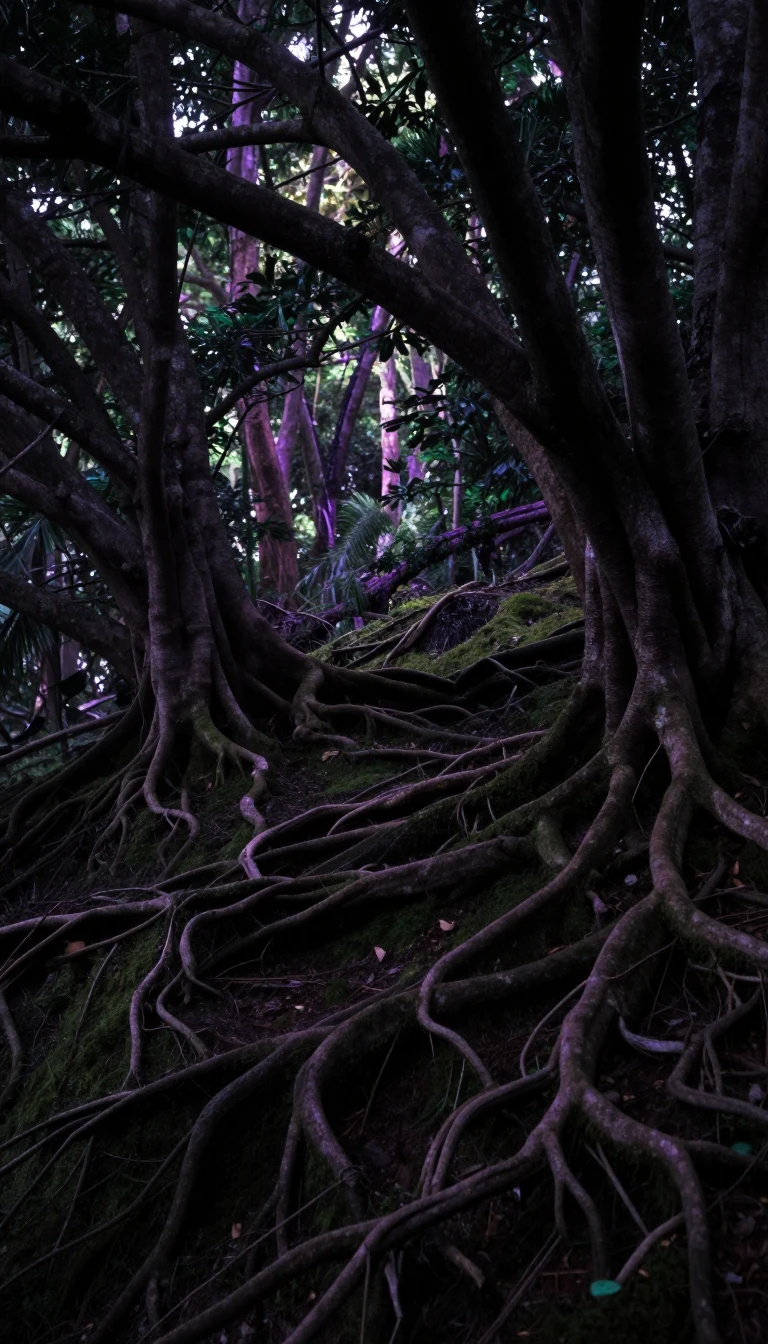
In short: Browsing is more than just eating; it is a powerful ecological force. When herbivores like deer or koalas overpopulate, they strip forests bare, creating a visible browse line. This intense feeding alters everything from soil quality to the survival of songbirds, fundamentally shifting the structure of entire woodland ecosystems.
Browsing is defined as the consumption of leaves, shoots, and fruits from woody plants, distinguishing it from grazing, which focuses on grasses. While natural, this behavior becomes an ecological crisis when herbivore populations explode. Overbrowsing occurs when high densities of animals, such as cervids in North America or introduced mammals in New Zealand, exert extreme pressure on their habitat. This pressure can permanently impair a forest's ability to regenerate, as young saplings are consumed before they can grow beyond the reach of hungry mouths.
The impact of overbrowsing is not uniform; it depends heavily on plant palatability. Highly palatable species, such as those in the genus Trillium, are particularly vulnerable because their reproductive and photosynthetic organs are concentrated at the apex of a single stem. When a herbivore consumes this, the plant loses its ability to photosynthesize or reproduce. Over time, this leads to a shift in forest composition, where palatable shrubs disappear, replaced by less desirable plants like graminoids and bryophytes that are released from competition for light.
These changes trigger cascading effects throughout the food web. Dense understory vegetation provides essential nesting and foraging habitat for migratory songbirds and cover for small mammals. As this structure vanishes, these populations often decline. Furthermore, ground-dwelling invertebrates that rely on leaf litter and low-lying plants lose their homes. Scientists study these impacts using moose exclosures—fenced areas that allow for direct comparison between browsed and protected landscapes. Restoring these ecosystems requires a multi-pronged approach, including increasing predator populations, managing hunting, and protecting old-growth forests, as the damage can be difficult to reverse without significant intervention.
Opens the Intellect+ feed with this card first. Swipe up for the next one.
Sources
- Summary by Intellect · source: Browsing (herbivory)
To cite this card, link to https://intellectplus.co.uk/app/nature-browsing-herbivory.
How we source, check and correct cards: Editorial standards.
General information, not professional advice. Spotted an error? Flag the card or see corrections and complaints.
Intellect Plus is a visual educational discovery platform for exploring fascinating facts and ideas. Brain Food, Not Brain Rot. What is Intellect Plus?
Related
More in Zoology · More in Nature · Latest · A–Z · All topics
