Brucite is a mineral that acts as both a concrete savior and destroyer
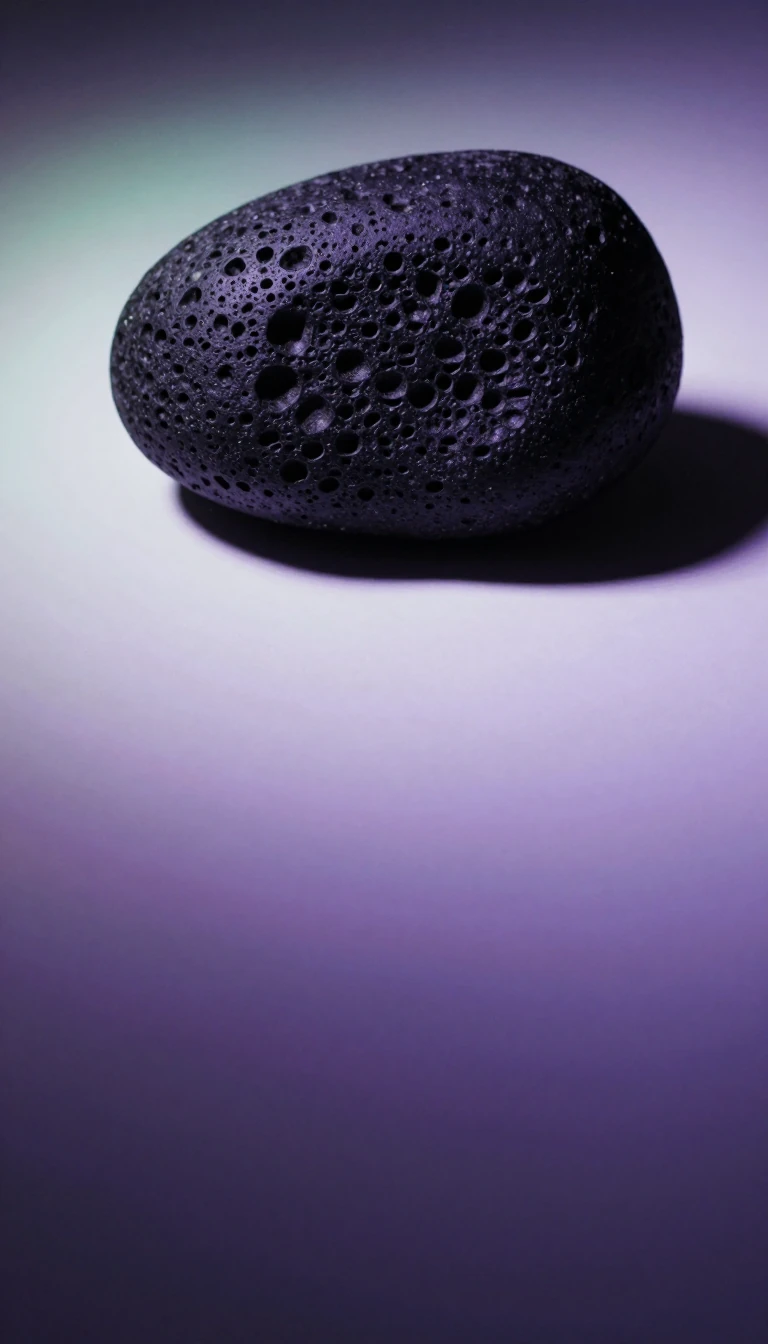
In short: This magnesium hydroxide mineral is a versatile industrial flame retardant and a vital source of magnesium. Yet, when it forms inside concrete exposed to seawater, it triggers a complex chemical battle. Depending on how it crystallizes, brucite can either seal porous networks or cause destructive structural cracking.
Brucite, chemically identified as magnesium hydroxide (Mg(OH)2), is a mineral first described in 1824 by François Sulpice Beudant. Named after American mineralogist Archibald Bruce, it typically appears in white, pale-green, gray, or blue hues. Its structure consists of layers held together by hydrogen bonds, often found alongside minerals like serpentine, dolomite, and magnesite in metamorphosed limestones or chlorite schists.
In industry, synthetic brucite is a primary precursor for magnesia, a key thermal insulator and refractory material. Its ability to release water upon thermal decomposition makes it an effective flame retardant. However, its role in civil engineering is more contentious. When concrete is exposed to seawater, magnesium and sulfate ions can trigger the precipitation of brucite. This process is a double-edged sword: while its small molar volume of 24.63 cm3/mol may help clog pores and delay the degradation of the concrete's internal 'glue' phase, it can also exacerbate sulfate attacks.
The exact mechanism of this degradation remains a subject of scientific debate. If brucite replaces existing phases locally, it might decrease porosity. Conversely, if it forms tiny crystals that grow between existing structures, it could exert enough crystallization pressure to cause tensile stress and cracking. This uncertainty is why the use of dolomite as an aggregate in concrete is often prohibited, as it can drive unwanted brucite precipitation and subsequent structural deterioration in marine environments or through alkali-aggregate reactions.
Opens the Intellect+ feed with this card first. Swipe up for the next one.
Sources
- Summary by Intellect · source: Brucite
- Also: Brucite | Magnesium Hydroxide, Crystal Structure, Hexagonal | Britannica
To cite this card, link to https://intellectplus.co.uk/app/nature-brucite.
How we source, check and correct cards: Editorial standards.
General information, not professional advice. Spotted an error? Flag the card or see corrections and complaints.
Intellect Plus is a visual educational discovery platform for exploring fascinating facts and ideas. Brain Food, Not Brain Rot. What is Intellect Plus?
Related
More in Geology · More in Nature · Latest · A–Z · All topics
