The Caribbean Plate is a restless wanderer that reshapes the seafloor beneath our feet
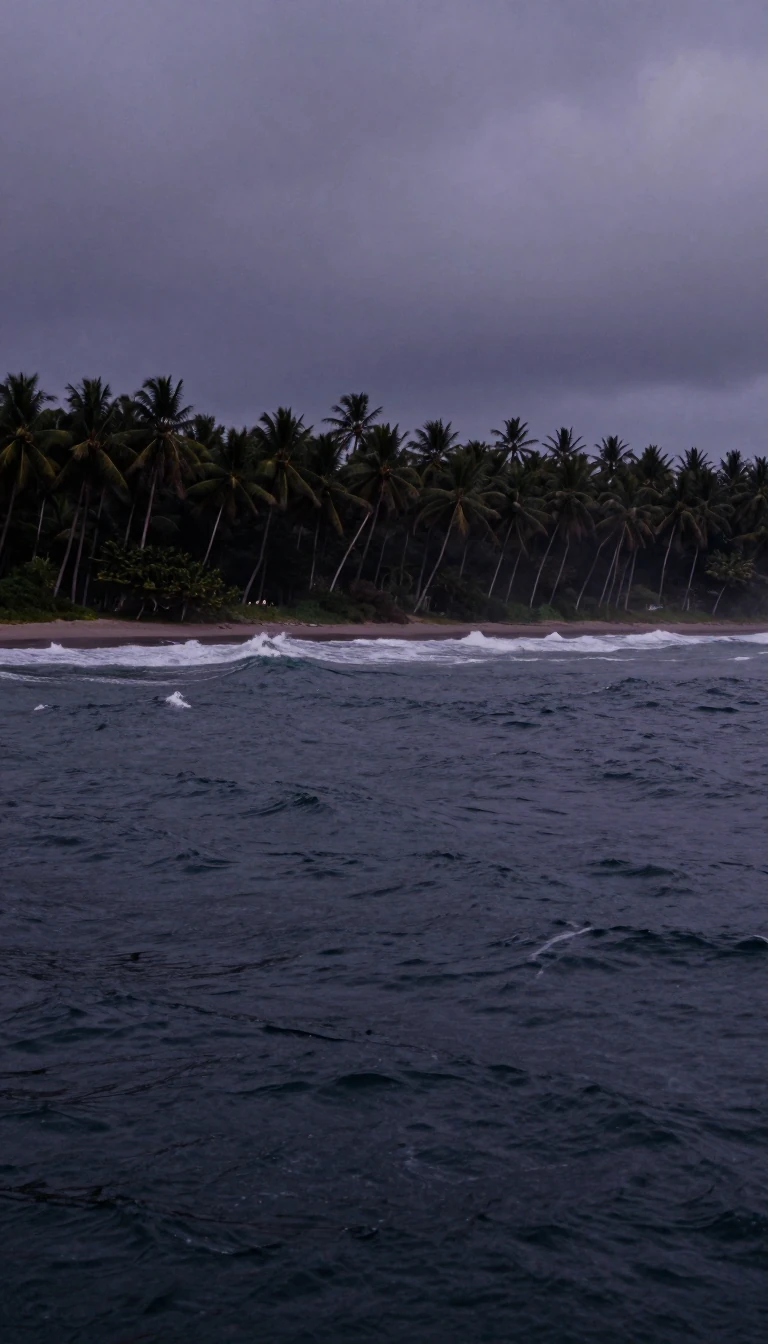
In short: This oceanic microplate is not just a static piece of Earth's crust. It is a dynamic traveler that has spent tens of millions of years migrating eastward, constantly colliding with its neighbors. Its complex movements trigger volcanic eruptions, seismic ruptures, and submarine landslides that continue to redefine the region's geography.
The Caribbean Plate is a relatively small oceanic microplate defined by its intense tectonic activity. It is bounded by major transform margins, subduction zones, and complex convergent boundaries that link it to the North American, South American, and Cocos plates. This structural complexity drives a cycle of episodic arc migration, alternating phases of back-arc spreading, and transpressional shortening. As the Atlantic oceanic lithosphere descends beneath the Lesser Antilles, it releases fluids into the mantle wedge, which modulates magma generation and influences seismic coupling.
Geologists debate the precise origins of this plate. The mainstream model suggests it formed as a large igneous province in the Pacific Ocean, potentially near the Galápagos hotspot, before drifting eastward between the North and South American continents. As it moved, it remained buoyant due to its thickness, eventually losing its Pacific connection roughly 3 million years ago with the formation of the Isthmus of Panama. A competing theory, however, proposes that the plate originated from an extinct Atlantic hotspot, arguing that its perceived eastward motion is merely a relative effect of the surrounding plates' movements.
The plate's boundaries are regions of significant hazard. Along the Lesser Antilles, subduction processes create over-steepened scarps prone to submarine mass-wasting. Recent research has mapped seafloor ruptures from earthquakes, such as the 2004 event, revealing how seismic activity and slope failure feed back into one another. These processes are not merely historical; they are ongoing. With the plate moving at rates estimated between 10 and 22 millimetres per year, the network of strike-slip and thrust faults continues to reshape the bathymetry, posing persistent risks of tsunamis and volcanic activity across the Caribbean basin.
Opens the Intellect+ feed with this card first. Swipe up for the next one.
Sources
- Summary by Intellect · source: Tectonic Dynamics of the Caribbean Plate | Structural Geology and Tectonics | Geology | Earth & environmental sciences | Topics | Nature Index
- Also: Caribbean Plate | geology | Britannica
- Also: Caribbean plate
To cite this card, link to https://intellectplus.co.uk/app/nature-caribbean-plate.
How we source, check and correct cards: Editorial standards.
General information, not professional advice. Spotted an error? Flag the card or see corrections and complaints.
Intellect Plus is a visual educational discovery platform for exploring fascinating facts and ideas. Brain Food, Not Brain Rot. What is Intellect Plus?
Related
More in Geology · More in Nature · Latest · A–Z · All topics
