A bizarre, boss-covered skull from the Late Permian reveals an evolutionary puzzle
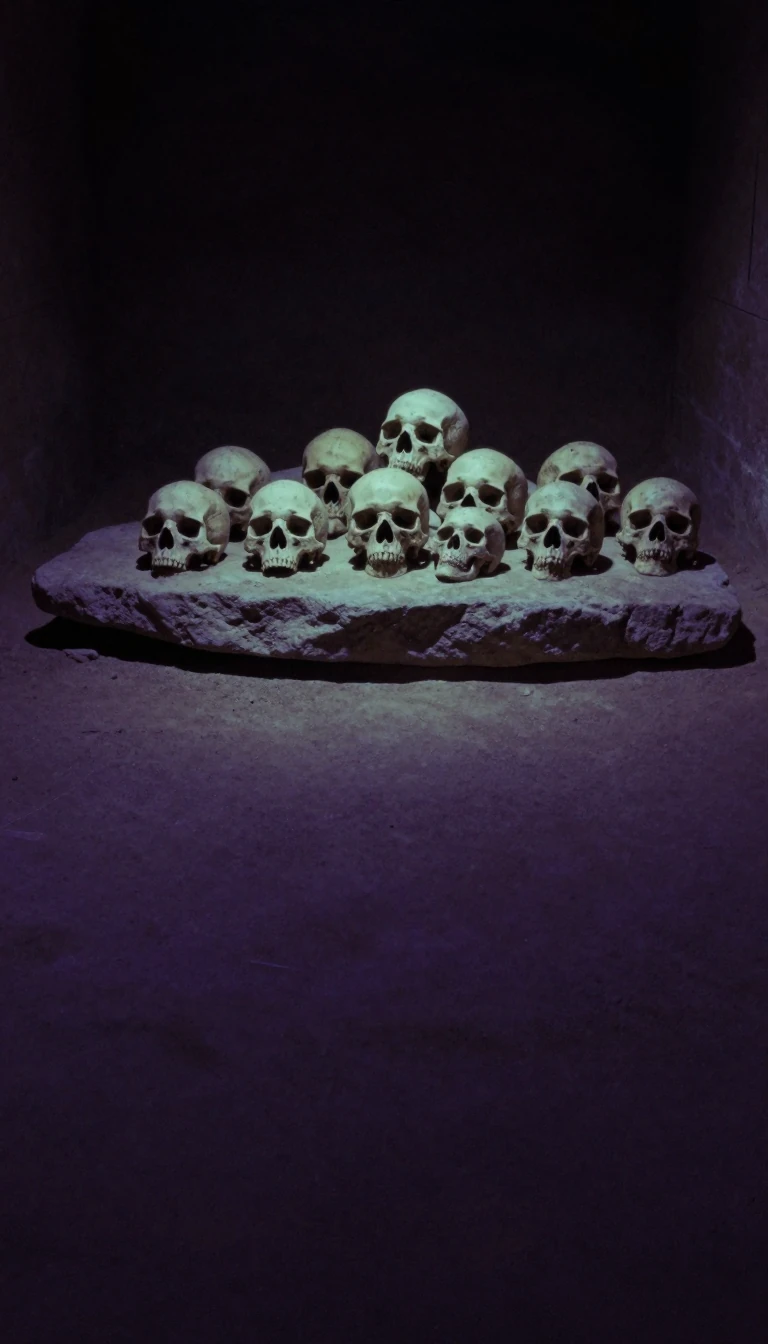
In short: Discovered in South Africa in 1923, Burnetia remains one of the most enigmatic creatures of the Late Permian. With a skull defined by strange bony protuberances and ridges, this extinct therapsid challenges our understanding of early vertebrate evolution and its complex relationships with other ancient groups like the Gorgonopsians.
The genus Burnetia was first identified by paleontologist Robert Broom, who described a single holotype skull found near Graaff-Reinet, South Africa. Because the specimen was heavily eroded and crushed, interpreting its anatomy proved difficult. The skull is characterized by a triangular shape and a series of unusual bony bosses and protuberances that distort its structural lines. Unlike its relative Proburnetia, which features a narrow, raised nasal bridge, Burnetia possesses a distinct, spindle-shaped median nasal boss.
Broom initially suggested that Burnetia was most closely related to the Gorgonopsians. However, later work by Lieuwe Boonstra, who removed the original matrix covering the bone, revealed significant differences. While they share some palatal similarities, such as a tooth-bearing pterygoid, Burnetia is distinguished by its shallow, rounded basisphenoid—which lacks the sharp median keel found in Gorgonopsians—and the extreme thickening of its dermal bones.
Burnetia is the namesake of the family Burnetiidae, a clade that has expanded significantly since its initial discovery. Researchers now include taxa like Pachydectes and Bullacephalus within this group. Phylogenetic analysis by Ashley Kruger indicates that southern Africa was likely the evolutionary cradle for these burnetiamorphs, as the oldest specimens are concentrated in that region. Recent findings, including a specimen from Tanzania's Usili Formation, continue to refine our understanding of these creatures.
One intriguing anatomical feature shared by Burnetia and the related Lycaenodon is a large opening framed by the vomer and its associated processes. Paleontologists believe this structure suggests that these biarmosuchians possessed a vomeronasal organ capable of communicating directly with the oral cavity. This detail, alongside their unique supra-orbital ridges, highlights the specialized adaptations that defined this group of therapsids before they vanished from the fossil record.
Opens the Intellect+ feed with this card first. Swipe up for the next one.
Sources
- Summary by Intellect · source: Burnetia
To cite this card, link to https://intellectplus.co.uk/app/nature-burnetia.
How we source, check and correct cards: Editorial standards.
General information, not professional advice. Spotted an error? Flag the card or see corrections and complaints.
Intellect Plus is a visual educational discovery platform for exploring fascinating facts and ideas. Brain Food, Not Brain Rot. What is Intellect Plus?
Related
More in Vertebrates · More in Nature · Latest · A–Z · All topics
