The armored giants of the Permian were not the ancestors of modern turtles
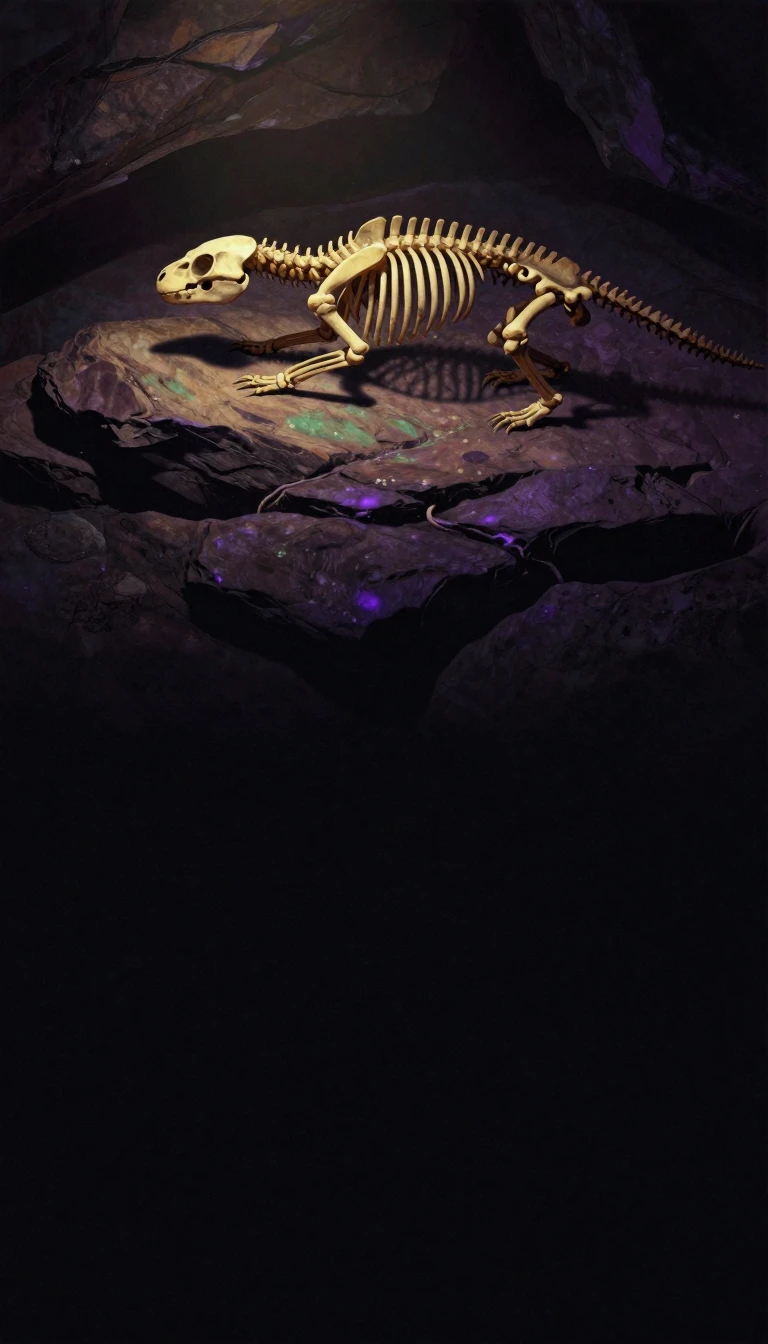
In short: Before the age of dinosaurs, massive, heavily armored reptiles known as pareiasaurs dominated the landscape. While their bony, spiked skulls and protective plates once led scientists to believe they were the precursors to modern turtles, recent evidence suggests these tank-like herbivores were actually a distinct, evolutionary dead end.
Pareiasaurs, or 'cheek lizards,' emerged during the Middle Permian period in southern Pangea. As the largest reptiles of their era, some species like Scutosaurus and Bradysaurus reached weights exceeding 1,000 kilograms. These creatures were characterized by their robust limbs, which supported a sprawling posture, and their heavily ornamented skulls covered in ridges and bumps. Their leaf-shaped, multi-cusped teeth suggest they were specialized herbivores that likely possessed an extensive digestive tract to process plant matter.
For years, researchers debated the lifestyle and lineage of these animals. While some early 2008 studies proposed an amphibious existence, more recent isotopic and histological research from 2014 and 2019 strongly points toward a terrestrial life. Similarly, the long-standing hypothesis that pareiasaurs were the direct ancestors of turtles has been largely dismantled. Although they share certain anatomical similarities—such as bony scutes that resemble early shells—modern DNA evidence and the discovery of fossils like Pappochelys indicate that turtles are more closely related to archosaurs. Pareiasaurs are now viewed as a separate branch that split from the reptilian lineage long before the common ancestor of today's reptiles appeared.
As the group evolved throughout the Late Permian, they achieved a global distribution, filling the niche for large herbivores previously occupied by diadectids and caseid pelycosaurs. Despite a clear trend toward developing heavier armor, they did not necessarily increase in size; in fact, many later species became smaller. Their reign ended abruptly during the Permian-Triassic mass extinction. Today, they are classified within the clade Pareiasauromorpha, with their closest relatives identified as the nycteroleterids, rather than the ancestors of modern shelled reptiles.
Opens the Intellect+ feed with this card first. Swipe up for the next one.
Sources
- Summary by Intellect · source: Pareiasauria
To cite this card, link to https://intellectplus.co.uk/app/nature-pareiasauria.
How we source, check and correct cards: Editorial standards.
General information, not professional advice. Spotted an error? Flag the card or see corrections and complaints.
Intellect Plus is a visual educational discovery platform for exploring fascinating facts and ideas. Brain Food, Not Brain Rot. What is Intellect Plus?
Related
More in Vertebrates · More in Nature · Latest · A–Z · All topics
