These small, silver fish are the most heavily exploited creatures in our oceans
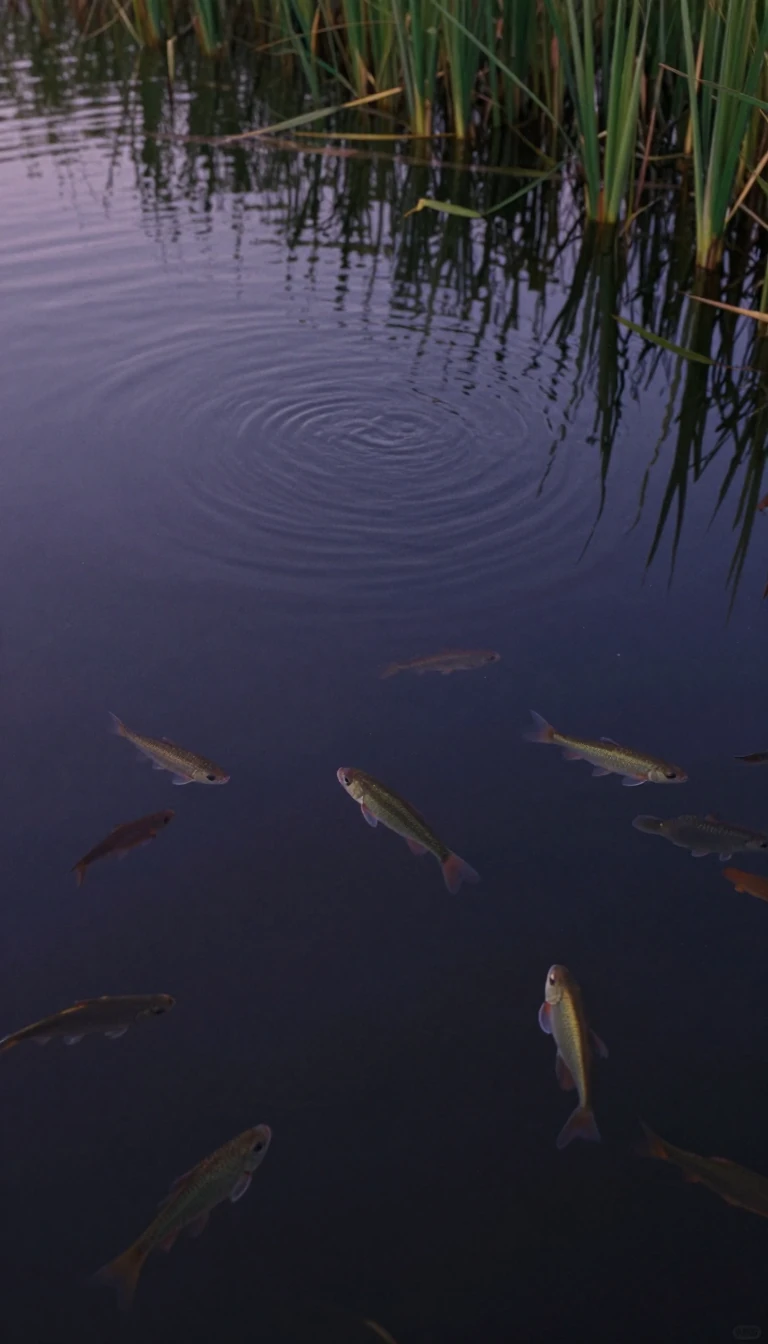
In short: Clupeiformes, an order of bony fish including herrings, sardines, and anchovies, account for over one-third of the global fish catch. Despite their massive economic importance and presence in nearly every ocean, these streamlined, schooling fish remain largely misunderstood, with scientists still debating the finer points of their complex classification.
The order Clupeiformes contains more than 400 species, most of which are small, slender, and streamlined marine fish under 30 centimeters in length. While they are often described as pelagic, they are more accurately categorized as neritic, as they typically inhabit coastal waters and bays rather than the open ocean. Even migratory species within this group return to the shore to spawn, highlighting their reliance on near-shore environments.
Geographically, these fish are concentrated in tropical waters, which host about 70 percent of all species. Their distribution is primarily governed by temperature and salinity, leading to a diverse range of habitats. While approximately half of the species are entirely marine, others are anadromous—moving between the sea and freshwater to breed—or live exclusively in freshwater systems, such as the rivers of Central and West Africa, the Indo-Malayan Archipelago, and the Amazon.
The economic dominance of these fish is driven by their sheer abundance in schools. Families such as Clupeidae, which includes herrings and sardines, and Engraulidae, which includes anchovies, are the most significant contributors to the global food supply. However, the order also contains outliers like the wolf herring, Chirocentrus dorab, which can reach lengths of 3.6 meters. Because of this diversity, authorities continue to refine the classification of these fish, moving away from older groupings that once erroneously included salmon, trout, and tarpons.
The evolutionary history of Clupeiformes is equally deep. Fossil evidence from the Early Cretaceous period in South America suggests that the group diverged long ago, potentially coexisting with their sister group, the extinct Ellimmichthyiformes. This long-standing presence in the fossil record, combined with their current ecological ubiquity, makes them a cornerstone of marine food webs and a vital, if heavily exploited, resource for human populations worldwide.
Opens the Intellect+ feed with this card first. Swipe up for the next one.
Sources
- Summary by Intellect · source: Clupeiform | Definition, Characteristics, Examples, Classification, & Facts | Britannica
- Also: Clupeiformes
To cite this card, link to https://intellectplus.co.uk/app/nature-clupeiformes.
How we source, check and correct cards: Editorial standards.
General information, not professional advice. Spotted an error? Flag the card or see corrections and complaints.
Intellect Plus is a visual educational discovery platform for exploring fascinating facts and ideas. Brain Food, Not Brain Rot. What is Intellect Plus?
Related
More in Vertebrates · More in Nature · Latest · A–Z · All topics
