The world's favorite coffee is a fragile, ancient hybrid born from climate change.
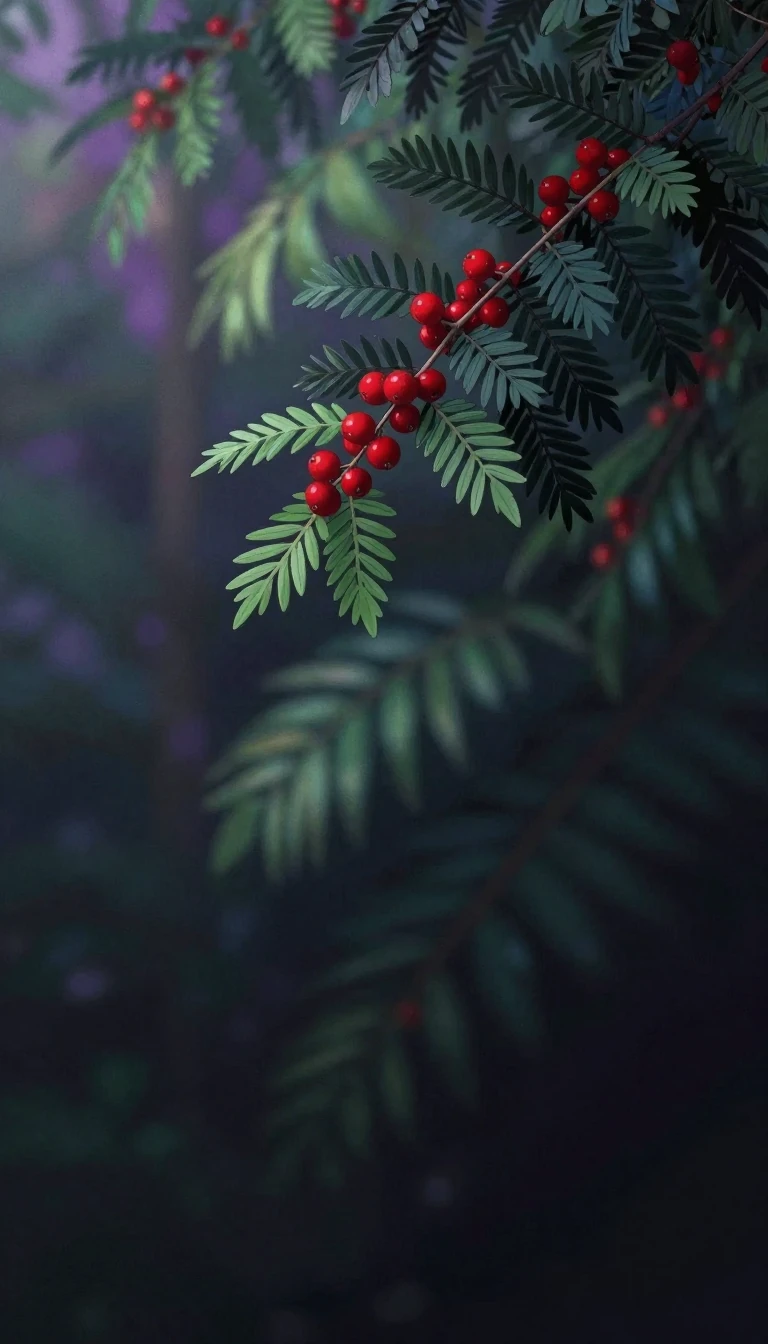
In short: Coffea arabica, which accounts for 60% of global coffee production, is not a simple wild plant. It is an allotetraploid hybrid that emerged in East Africa up to 1.08 million years ago. Today, this delicate species faces existential threats from deforestation, fungal disease, and a warming planet.
Coffea arabica is a botanical marvel, the result of a natural hybridization between two diploid species, Coffea canephora and Coffea eugenioides. This event, which occurred between 543,000 and 1.08 million years ago, endowed the plant with four copies of its eleven chromosomes. While it is now a global staple, its genetic foundation is remarkably narrow; nearly all coffee cultivated over the last few centuries stems from a tiny handful of wild plants from Yemen, capturing less than 1% of the genetic diversity found in the wild.
The plant is notoriously temperamental, thriving best in high-altitude, tropical montane forests with consistent rainfall and partial shade. It is highly sensitive to temperature fluctuations and frost, making it vulnerable to the shifting climate. Projections suggest that by 2050, over half of the land currently used for coffee cultivation could become unproductive. Furthermore, the species is under siege by the coffee berry borer and coffee leaf rust, a fungus that causes rapid defoliation and has been responsible for losses reaching $2 billion annually.
Despite a wild population estimated at 13.5 to 19.5 billion individuals, the species is classified as endangered on the IUCN Red List. In Ethiopia, its native home, forest cover has plummeted from an estimated 25–31% to just 4%. As climate change threatens to reduce wild populations by up to 80% by 2088, researchers are exploring alternatives, including more heat-tolerant species like Coffea stenophylla. Meanwhile, in the commercial market, consumers are seeing the effects of these pressures as roasters increasingly blend cheaper, more resilient Robusta beans into products previously labeled as 100% Arabica.
The plant's history is as complex as its biology. First formally described by Carl Linnaeus in 1753, it has been a subject of study for centuries. Today, its future depends on the conservation of its remaining wild genetic reservoirs in the Afromontane rainforests, even as the industry grapples with the economic realities of a changing environment and the limitations of its own narrow genetic base.
Opens the Intellect+ feed with this card first. Swipe up for the next one.
Sources
- Summary by Intellect · source: Coffea arabica
- Also: iNaturalist — Coffee (Coffea arabica) · CC BY-SA 4.0 (Wikipedia summary)
To cite this card, link to https://intellectplus.co.uk/app/nature-coffea-arabica.
How we source, check and correct cards: Editorial standards.
General information, not professional advice. Spotted an error? Flag the card or see corrections and complaints.
Intellect Plus is a visual educational discovery platform for exploring fascinating facts and ideas. Brain Food, Not Brain Rot. What is Intellect Plus?
Related
More in Physical geography · More in Nature · Latest · A–Z · All topics
