A 1,450-mile river rarely reaches the sea anymore
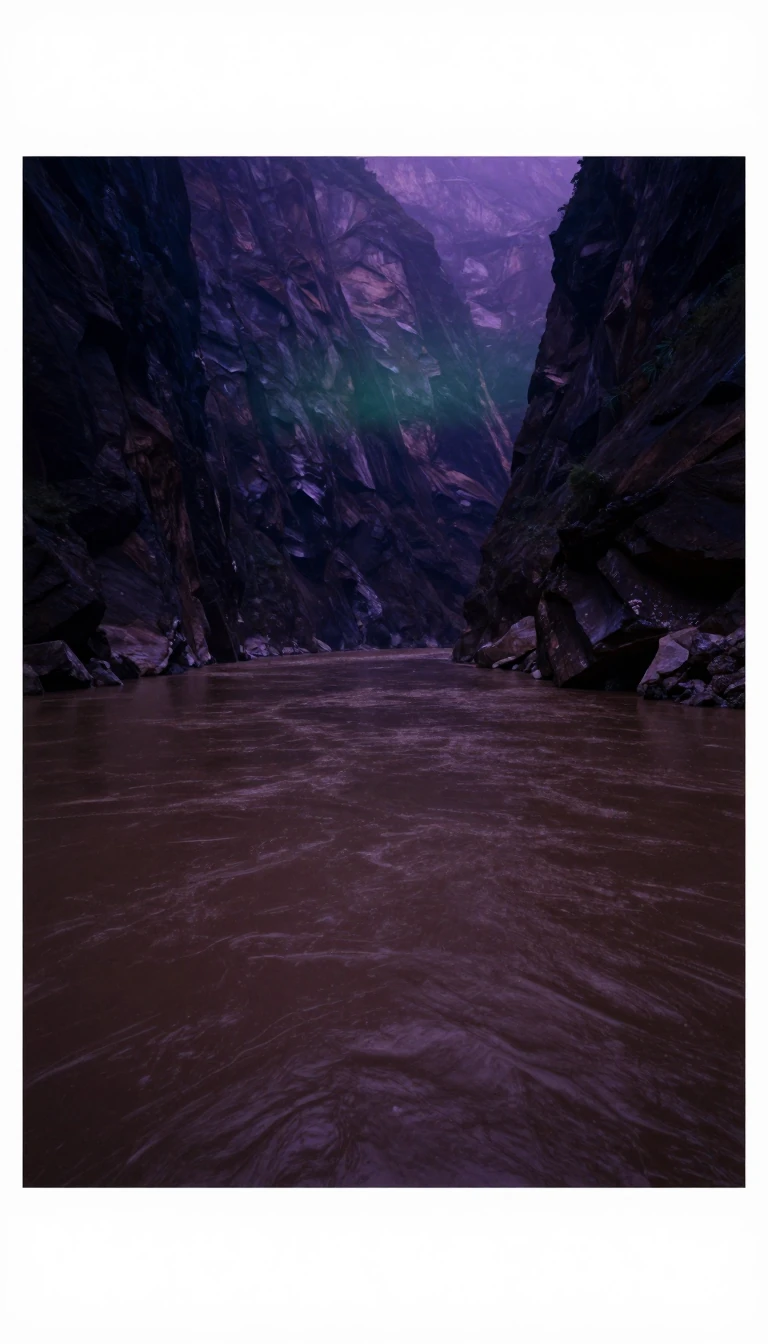
In short: From Rocky Mountain National Park to the Gulf of California, the Colorado once carried reddish silt that gave it a Spanish name. Dams, aqueducts, and treaties now divert nearly all its flow for some forty million people—so the final hundred miles have seldom touched the ocean since the 1960s.
Fifth-longest river in the United States at about 1,450 miles (2,330 kilometres), the Colorado drains parts of seven U.S. states and two Mexican ones. It drops southwest across the Colorado Plateau, carves the Grand Canyon, pools in Lake Mead on the Arizona–Nevada line, then turns south toward the border. Eleven U.S. National Parks line dramatic canyons and rapids; steep gradient and volume also feed hydroelectric peaks across the Intermountain West. Headwaters gather in Wyoming and Colorado, with the Green River the largest early tributary.
People have lived in the basin at least 8,000 years; large farming societies rose around 1 CE and collapsed in the 1300s amid drought and land stress. Spanish mapping began in the 1500s; Mexico inherited claims in 1821; most of the watershed became U.S. territory in 1846, though mid-nineteenth-century expeditions still charted unknown stretches. Twentieth-century "Law of the River" treaties guided federal dams built mostly between 1910 and 1970—Hoover Dam finished in 1935. Lee's Ferry remains the key gauge for dividing water among basin states.
Below Grand Canyon, Lake Mead is the continental U.S.'s largest reservoir. The Mike O'Callaghan–Pat Tillman Memorial Bridge clears nearly 900 feet above the water—the Western Hemisphere's highest concrete arch span. Since 2000, prolonged drought has collided with rising demand on a system whose waters are already fully allocated, ranking the Colorado with the Rio Grande among the world's most litigated rivers. Granite Gorge exposes rocks up to about two billion years old, a deep-time reminder beneath a thoroughly engineered modern flow.
Opens the Intellect+ feed with this card first. Swipe up for the next one.
Sources
- Summary by Intellect · source: Colorado River
To cite this card, link to https://intellectplus.co.uk/app/nature-colorado-river.
How we source, check and correct cards: Editorial standards.
General information, not professional advice. Spotted an error? Flag the card or see corrections and complaints.
Intellect Plus is a visual educational discovery platform for exploring fascinating facts and ideas. Brain Food, Not Brain Rot. What is Intellect Plus?
Related
More in Physical geography · More in Nature · Latest · A–Z · All topics
