The world's most abundant seal is named after a food it never eats.
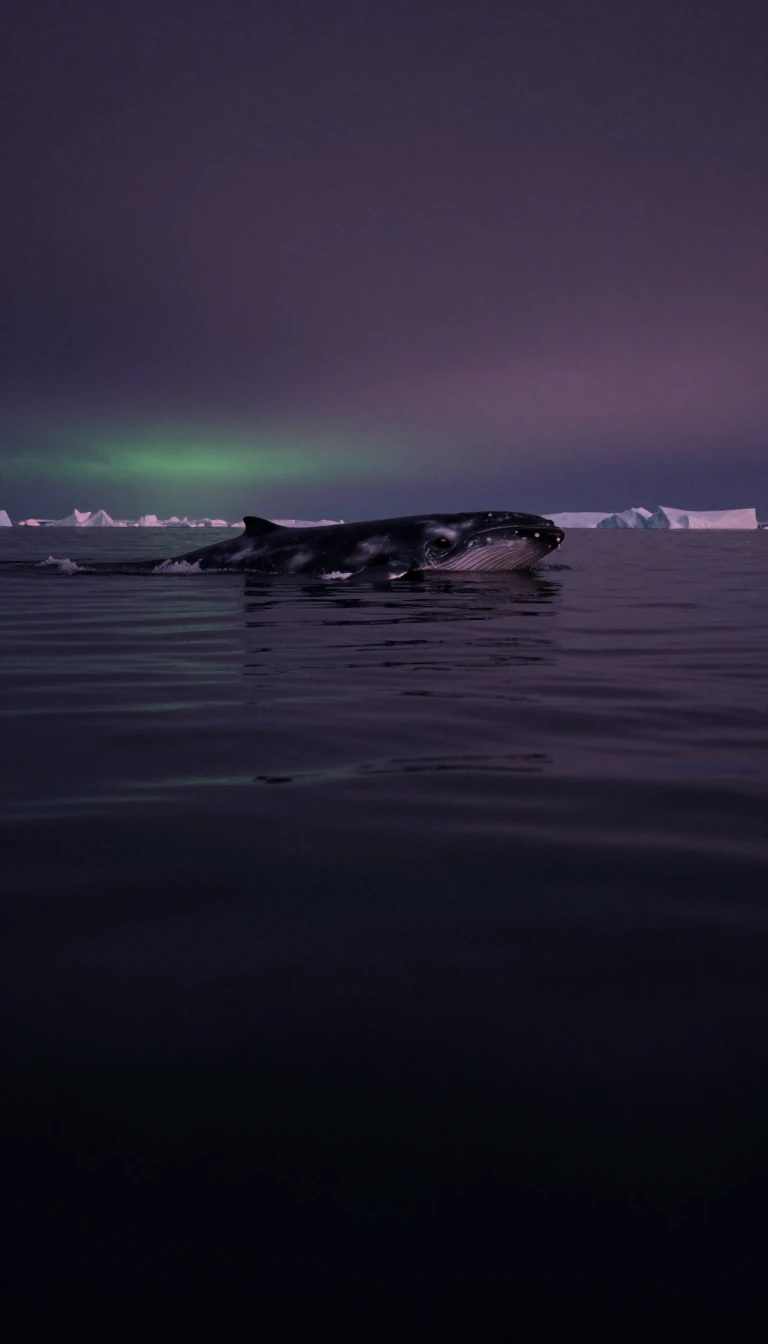
In short: Despite their name, crabeater seals do not hunt crabs. Instead, these Antarctic specialists possess unique, sieve-like teeth designed to filter massive quantities of krill. As the most numerous seal species on Earth, they thrive on the pack ice, navigating a harsh environment where they are both predators and prey.
The crabeater seal (Lobodon carcinophaga) is a biological marvel of the Southern Ocean. Its scientific name, derived from Ancient Greek, translates to 'lobe-toothed crab eater,' yet this is a misnomer. The species is a highly specialized predator of Antarctic krill, which makes up over 90% of its diet. To capture this tiny prey, the seal has evolved a sophisticated dental structure: its postcanine teeth feature multiple cusps and lobes that, when the jaws are closed, form a near-perfect sieve to strain krill from the water column.
These seals are the most abundant in the world, with population estimates ranging from 7 million to as many as 75 million individuals. Their success is tied to the vast biomass of Antarctic krill. Historical models suggest their numbers may have surged during the 20th century, potentially growing by up to 9% annually, as industrial whaling removed large baleen whales that previously competed for the same food source. Despite their high numbers, they remain elusive, spending their lives on the shifting pack ice that rings the Antarctic continent.
Life for a crabeater seal is defined by intense pressure from predators. Leopard seals frequently target the young, leading to an exceptionally high first-year mortality rate that may reach 80%. Nearly all surviving young seals bear the scars of these encounters. To mitigate this threat, younger seals often gather in large, gregarious aggregations of up to 1,000 individuals, while adults tend to be more solitary. Remarkably, these seals are also the most terrestrial of all pinnipeds, with mummified carcasses discovered over 100 km inland and at altitudes exceeding 1,000 meters, preserved for centuries by the dry, frigid Antarctic air.
Opens the Intellect+ feed with this card first. Swipe up for the next one.
Sources
- Summary by Intellect · source: Crabeater seal
- Also: iNaturalist — Crabeater Seal (Lobodon carcinophaga) · CC BY-SA 4.0 (Wikipedia summary)
To cite this card, link to https://intellectplus.co.uk/app/nature-crabeater-seal.
How we source, check and correct cards: Editorial standards.
General information, not professional advice. Spotted an error? Flag the card or see corrections and complaints.
Intellect Plus is a visual educational discovery platform for exploring fascinating facts and ideas. Brain Food, Not Brain Rot. What is Intellect Plus?
Related
More in Organisms · More in Nature · Latest · A–Z · All topics
