Are lampreys and hagfish the missing link to our own evolutionary history?
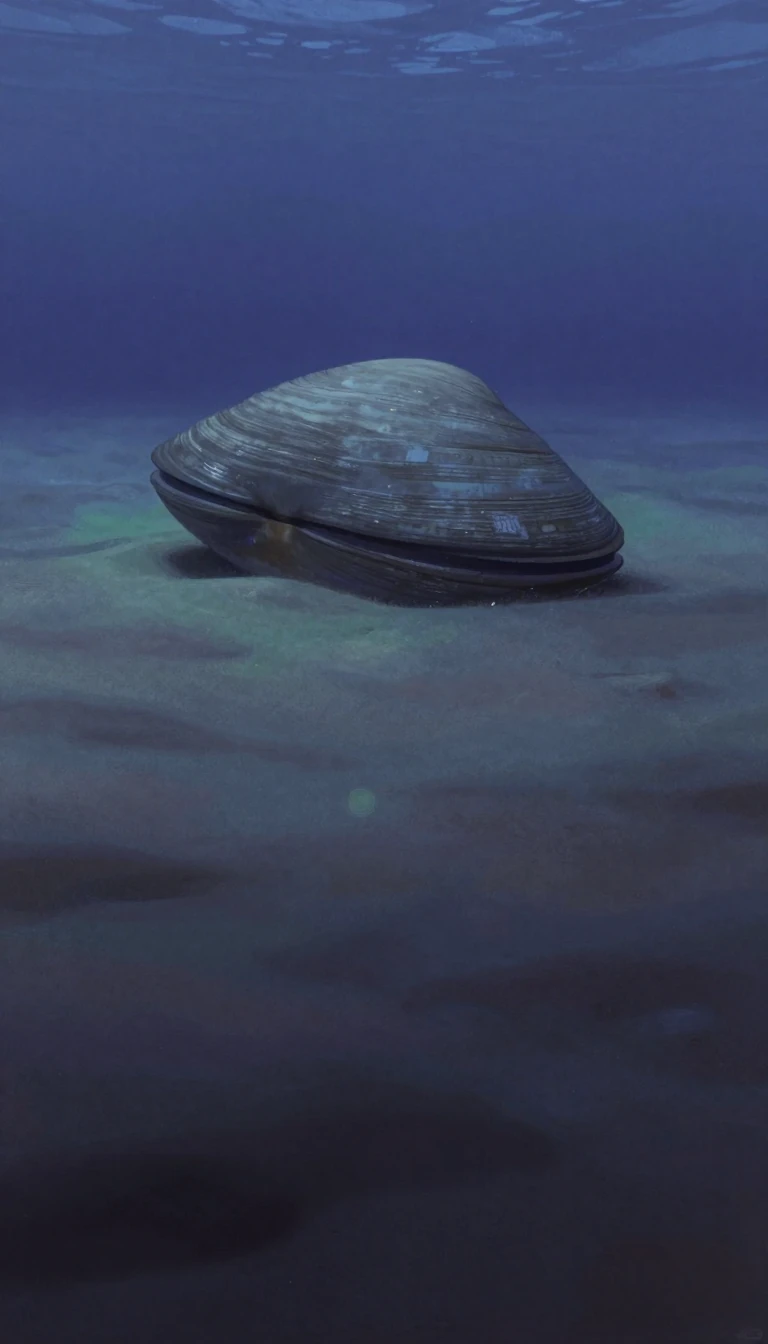
In short: Cyclostomi, a group of jawless vertebrates, challenges our understanding of evolution. While anatomy once suggested lampreys were closer to jawed fish, modern molecular data links them to hagfish. This debate over whether they form a single evolutionary branch reveals deep, unexpected secrets about how complex life emerged from ancient ancestors.
The classification of Cyclostomi—comprising lampreys and hagfish—remains a central puzzle in vertebrate biology. Historically, the 'vertebrate hypothesis' argued that lampreys shared a closer evolutionary kinship with jawed vertebrates, or gnathostomes, than with hagfish. However, recent molecular phylogenies increasingly support the 'cyclostome hypothesis,' which posits that lampreys and hagfish are sister groups, forming a monophyletic clade. This shift is bolstered by shared traits in their tongue apparatus and emerging evidence that their embryonic development is more similar than previously assumed.
These creatures are not merely primitive relics; they possess complex, independent evolutionary histories. While jawed vertebrates underwent a second genome duplication, stem-cyclostomes experienced a unique, independent genome triplication. Furthermore, they evolved their own oxygen-transporting hemoglobins separately from jawed fish. Their internal anatomy also highlights a fascinating divergence: while both groups lack a thymus, spleen, and myelin, they have developed distinct solutions for survival. For instance, hagfish blood is isotonic with seawater, whereas lampreys employ gill-based osmoregulation similar to marine teleosts, suggesting hagfish ancestors may have transitioned from freshwater to saltwater environments over immense timescales.
The physical structures of these animals offer further clues to their origins. Both groups possess jawless mouths lined with horny, tooth-like structures called ceratodontes. Fossil evidence from Palaeozoic jawless fish, such as conodonts and anaspids, suggests that the last common ancestor of all vertebrates likely possessed mineralized tissues, which were subsequently lost in modern cyclostomes. Even their digestive systems reflect ancient lineages; lampreys retain a typhlosole in their intestines, a feature also found in sea squirts, while hagfish exhibit a more primitive version of this structure. These shared, ancestral traits continue to inform our understanding of how the vertebrate body plan was first established and later refined.
Ultimately, the study of Cyclostomi forces us to reconsider the tree of life. Whether through the metamorphosis of lamprey larvae—which transform their filter-feeding endostyle into a thyroid gland—or the complex, conveyor-belt-like tooth plates of hagfish, these animals represent a vital, if often misunderstood, branch of our biological heritage. As researchers continue to reconcile anatomical data with molecular findings, the status of these jawless fish remains a testament to the complexity of evolutionary history.
Opens the Intellect+ feed with this card first. Swipe up for the next one.
Sources
- Summary by Intellect · source: Cyclostomi
To cite this card, link to https://intellectplus.co.uk/app/nature-cyclostomi.
How we source, check and correct cards: Editorial standards.
General information, not professional advice. Spotted an error? Flag the card or see corrections and complaints.
Intellect Plus is a visual educational discovery platform for exploring fascinating facts and ideas. Brain Food, Not Brain Rot. What is Intellect Plus?
Related
More in Vertebrates · More in Nature · Latest · A–Z · All topics
