Cynodonts were the ancient bridge between cold-blooded reptiles and modern mammals
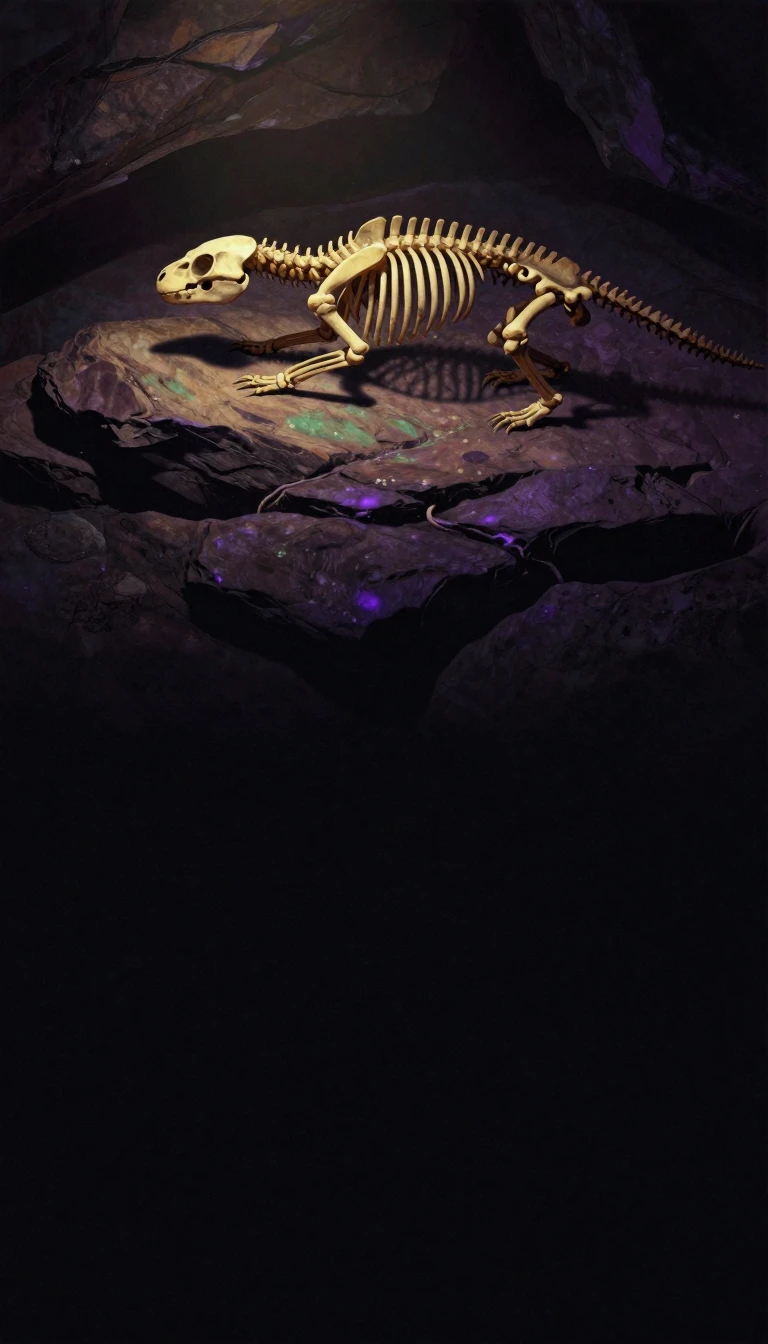
In short: Long before mammals dominated the earth, a group of mammal-like reptiles called cynodonts pioneered the traits that define us today. From the secondary palate that allowed them to chew and breathe simultaneously to their differentiated teeth, these creatures set the stage for the rise of the mammalian lineage millions of years ago.
Originating in South Africa during the Late Permian Epoch, roughly 259.5 million years ago, cynodonts were a widespread group of therapsids. The earliest known form, Charassognathus gracilis, emerged during the Wuchiapingian Age. Over their long history, which lasted until the middle of the Cretaceous Period, these animals spread across the ancient supercontinent of Gondwana and into Laurasia, with fossils eventually discovered on every continent.
The defining innovation of the cynodont was its skull, which featured a secondary palate. Unlike most reptiles, which swallow food in large, unchewed chunks, this structure allowed cynodonts to chew while breathing, facilitating faster digestion and supporting a higher metabolic rate. Their jaw structure was similarly advanced, featuring differentiated teeth and robust muscles. While their braincases began to take on a mammalian appearance, their bodies remained largely reptilian, characterized by a sprawling gait with limbs attached to the sides of the torso.
Cynodonts are central to the history of geology as well as biology. The discovery of genera like Cynognathus in both South Africa and South America provided early, critical evidence for the theory of continental drift. By the time the last non-mammalian cynodonts, the Tritylodontidae, went extinct about 125 million years ago, they had already birthed the mammalian line. Today, we recognize that mammals are themselves a surviving branch of the cynodont clade, carrying forward the legacy of these ancient, adaptive survivors.
While their skeletal features are well-documented, other aspects of their biology remain subjects of intense study and speculation. Scientists have debated whether these animals possessed fur or whiskers, as fossil evidence for soft tissues remains elusive. Furthermore, the transition from a sprawling reptilian posture to the erect gait of mammals involved complex anatomical shifts, including the development of epipubic bones, which likely influenced their reproductive strategies long before the emergence of modern placental mammals.
Opens the Intellect+ feed with this card first. Swipe up for the next one.
Sources
- Summary by Intellect · source: Cynodont | Skull, Characteristics, & Habitat | Britannica
- Also: Cynodontia
To cite this card, link to https://intellectplus.co.uk/app/nature-cynodontia.
How we source, check and correct cards: Editorial standards.
General information, not professional advice. Spotted an error? Flag the card or see corrections and complaints.
Intellect Plus is a visual educational discovery platform for exploring fascinating facts and ideas. Brain Food, Not Brain Rot. What is Intellect Plus?
Related
More in Vertebrates · More in Nature · Latest · A–Z · All topics
