The tiny Irish Dexter cow hides a lethal genetic secret in its lineage
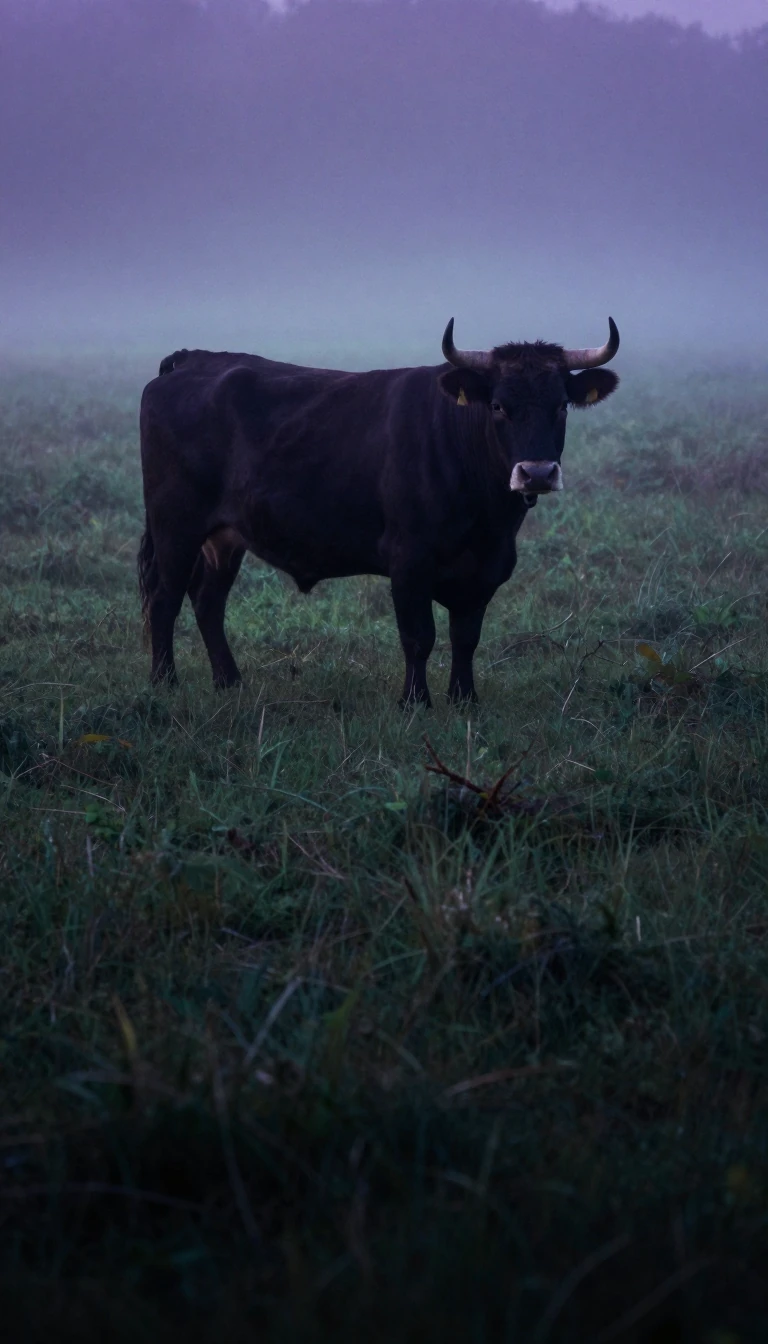
In short: Originating in eighteenth-century County Kerry, the Dexter is a remarkably hardy, dual-purpose breed known for its small stature. While these efficient grazers thrive on poor land, their signature short-legged appearance is tied to a semilethal gene. Understanding this complex biology is essential for any breeder managing these unique animals today.
The Dexter breed emerged in south-western Ireland during the eighteenth century, initially considered a distinct type within the Kerry cattle population. Named after a factor for Lord Hawarden on Valentia Island, the breed gained formal recognition by the mid-nineteenth century, appearing in separate classes at Royal Dublin Society shows starting in 1863. By 1890, a joint herd-book was established, though the breed later faced near-extinction in its homeland. Today, while global populations are stable, the breed remains at critical risk in Ireland, despite being maintained across sixteen countries by 2023.
The breed's defining physical trait—its short legs—is linked to chondrodysplasia, a form of dwarfism. Affected cattle are typically 6 to 8 inches shorter than their counterparts. This condition is governed by a semilethal gene; short-legged Dexters are heterozygous, but breeding two affected animals together creates a 25% risk of producing a 'bulldog' foetus. These stillborn calves exhibit severe deformities, including compressed noses and protruding jaws. Because of this, DNA testing is now a standard tool for responsible management, allowing breeders to identify carriers and avoid dangerous pairings.
Beyond chondrodysplasia, Dexters can carry pulmonary hypoplasia with anasarca, or PHA. Unlike the visible signs of dwarfism, PHA is an invisible condition involving incomplete lung formation and fluid accumulation in foetal tissues. Because PHA shows no outward physical markers, it is entirely dependent on DNA testing for detection. Despite these genetic challenges, the breed remains highly valued in the cattle industry for its hardiness and efficiency as a grazer. Though their meat quality is sometimes debated compared to other breeds, their ability to produce milk and beef on marginal land ensures their continued relevance in modern agriculture.
Opens the Intellect+ feed with this card first. Swipe up for the next one.
Sources
- Summary by Intellect · source: Dexter cattle
To cite this card, link to https://intellectplus.co.uk/app/nature-dexter-cattle.
How we source, check and correct cards: Editorial standards.
General information, not professional advice. Spotted an error? Flag the card or see corrections and complaints.
Intellect Plus is a visual educational discovery platform for exploring fascinating facts and ideas. Brain Food, Not Brain Rot. What is Intellect Plus?
Related
More in Animal breeds and hybrids · More in Nature · Latest · A–Z · All topics
