The world's smallest cow is a pint-sized powerhouse of medicinal milk and resilience
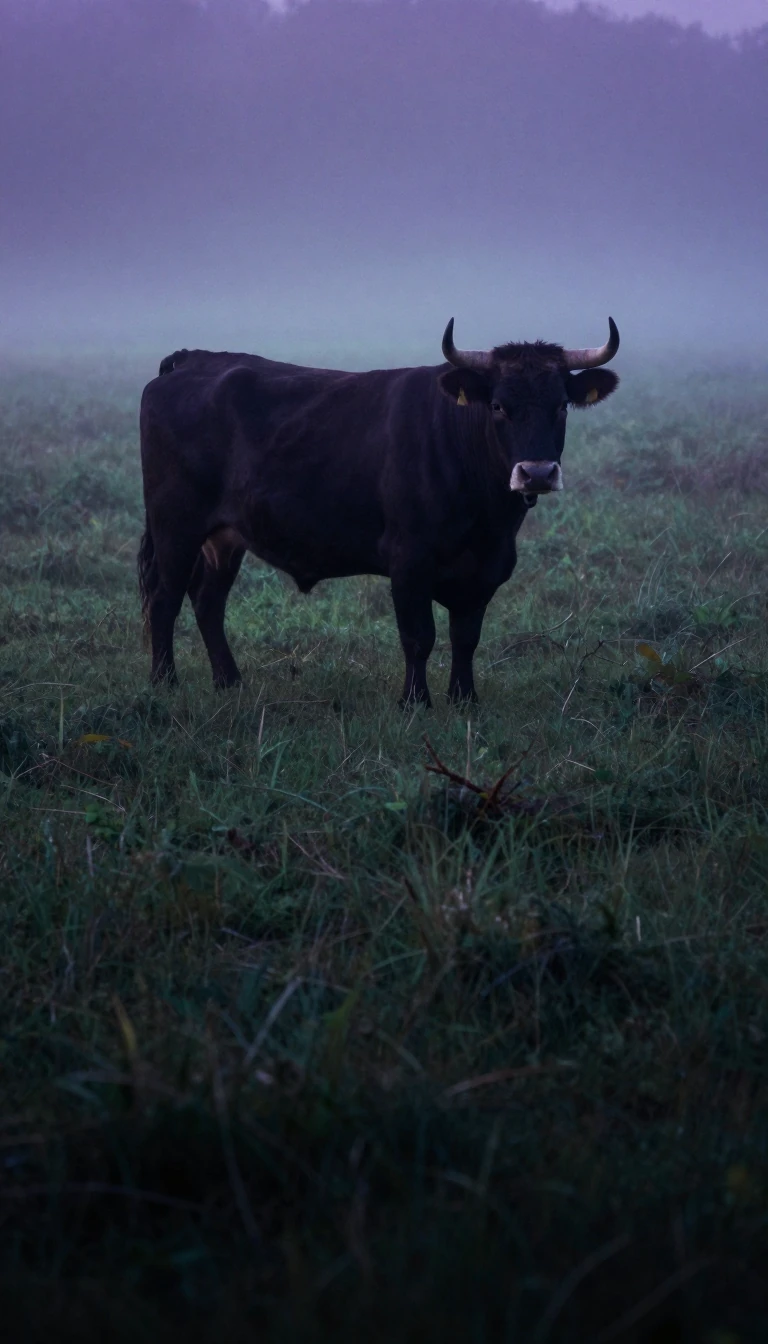
In short: Standing just 87 centimeters tall, the Vechur cow is the smallest cattle breed on Earth. Once nearly lost to crossbreeding, this resilient Zebu breed is now prized for its low maintenance needs and milk that contains unique proteins with potent antibacterial properties that outperform common antibiotics like ampicillin.
Originating from the village of Vechoor in Kerala, India, the Vechur cow is a unique breed of Zebu (Bos indicus). These diminutive animals typically measure 124 centimeters in length and stand about 87 centimeters high, weighing roughly 130 kilograms. While they produce significantly less milk than modern hybrid varieties—yielding up to 3 liters daily—they are remarkably efficient, requiring minimal feed and maintenance. This efficiency made them a staple in Kerala until the 1960s, when the introduction of exotic crossbreeds pushed the native population toward the brink of extinction.
The survival of the breed is largely credited to Professor Sosamma Iype, who initiated conservation efforts with her students in 1989. By 1998, a dedicated trust was established to sustain the population through farmer participation. Despite these efforts, the breed remains fragile; in 2000, the FAO listed it as a 'Critical-Maintained' breed. Current estimates suggest only about 200 individuals remain, with nearly half residing at the Veterinary College. This precarious status highlights the importance of protecting genetic diversity in domestic livestock.
Beyond their size, Vechur cows are celebrated for the quality of their milk, which is traditionally valued in Ayurveda. Scientific interest has surged due to the milk's high concentration of A2 beta-casein, which is considered more digestible and safer than the A1 variety linked to various health conditions. Furthermore, the lactoferrin protein in Vechur milk exhibits enhanced antimicrobial properties, reportedly surpassing the efficacy of the antibiotic ampicillin. Additionally, Vechur ghee is noted for its high arginine content and A2 beta-lactalbumin, making it a traditional remedy for those recovering from illness. These biological advantages have even sparked international intrigue, including a 1997 controversy involving allegations of genetic piracy that were later proven baseless.
Opens the Intellect+ feed with this card first. Swipe up for the next one.
Sources
- Summary by Intellect · source: Vechur cattle
To cite this card, link to https://intellectplus.co.uk/app/nature-vechur-cattle.
How we source, check and correct cards: Editorial standards.
General information, not professional advice. Spotted an error? Flag the card or see corrections and complaints.
Intellect Plus is a visual educational discovery platform for exploring fascinating facts and ideas. Brain Food, Not Brain Rot. What is Intellect Plus?
Related
More in Animal breeds and hybrids · More in Nature · Latest · A–Z · All topics
