The accidental discovery of the pixie-like Devon Rex cat in rural England
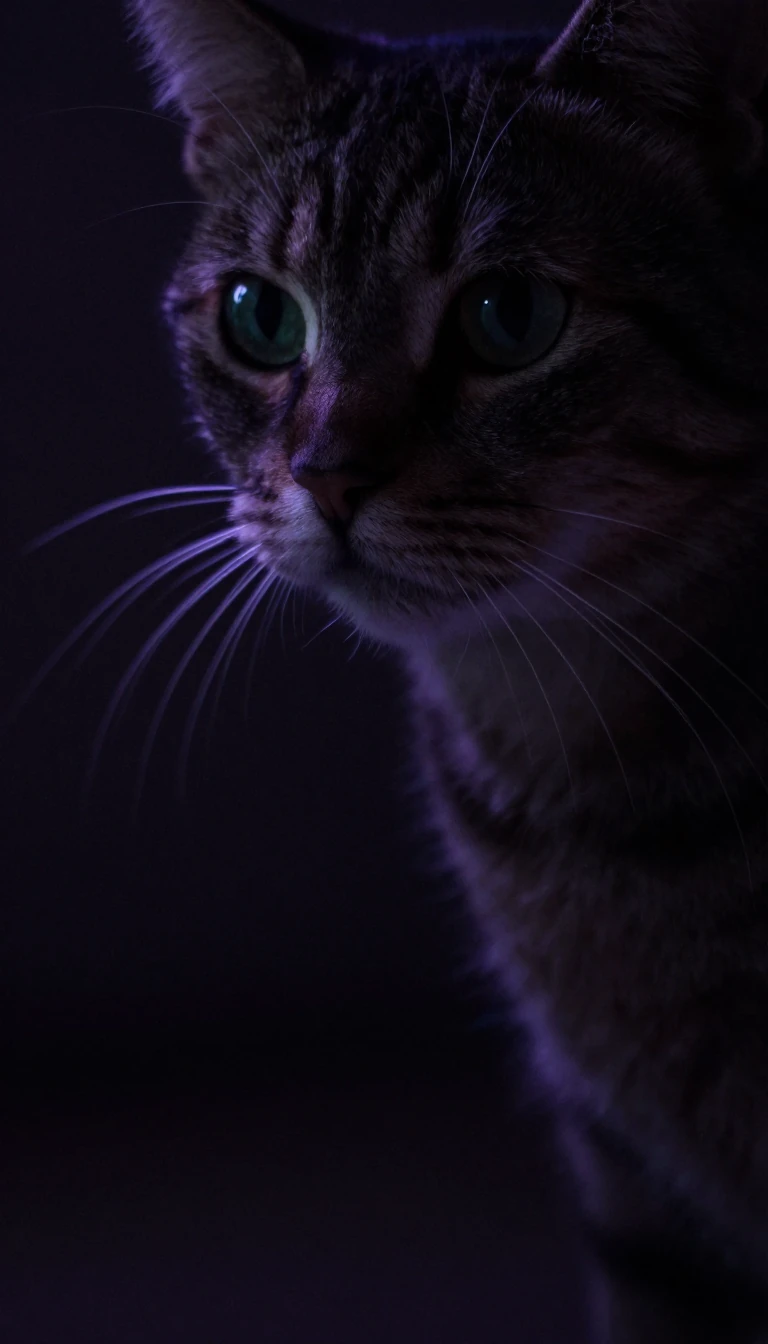
In short: In 1960, a curly-coated kitten named Kirlee appeared in Buckfastleigh, Devon, sparking a breeding mystery. While initially mistaken for a Cornish Rex, Kirlee possessed a unique genetic mutation that defined a new breed. Today, these cats are recognized for their wavy coats, large ears, and distinctively pixie-like facial features.
The Devon Rex breed originated in the late 1950s in England, but its defining moment arrived in 1960 when Beryl Cox discovered Kirlee. Because the cat had a curly coat, it was initially assumed to share the same genetic origins as the Cornish Rex. However, when Cox bred Kirlee with Cornish Rexes, the resulting kittens were born with straight coats. This unexpected outcome proved that Kirlee’s mutation was entirely distinct, prompting Cox to launch a dedicated breeding program to preserve the unique trait.
Physically, the Devon Rex is characterized by a medium build and a short, broad, wedge-shaped head that transitions to a flat skull. Their large, wide-set eyes can be any color, and their oversized ears feature rounded tips. The breed's most striking feature is its dense, soft coat, which curls inward to create a rippled effect, though some areas like the neck may have thinner fur. Even their whiskers and eyebrows are distinctively crinkled and twisted, contributing to their signature look.
Despite their charming appearance, the breed faces specific health challenges. They are predisposed to conditions such as congenital hypotrichosis, Malassezia dermatitis, and feline atopic dermatitis. More seriously, some individuals suffer from hereditary myopathy caused by the COLQ genetic variant. This condition typically manifests between 3 and 23 weeks of age. While the symptoms may occasionally stabilize, the disease often progresses, frequently leading to fatal laryngospasm as the cat struggles to swallow food. Understanding these genetic predispositions is essential for the care and long-term health of the breed.
Opens the Intellect+ feed with this card first. Swipe up for the next one.
Sources
- Summary by Intellect · source: Devon Rex
To cite this card, link to https://intellectplus.co.uk/app/nature-devon-rex.
How we source, check and correct cards: Editorial standards.
General information, not professional advice. Spotted an error? Flag the card or see corrections and complaints.
Intellect Plus is a visual educational discovery platform for exploring fascinating facts and ideas. Brain Food, Not Brain Rot. What is Intellect Plus?
Related
More in Animal breeds and hybrids · More in Nature · Latest · A–Z · All topics
