How a crumbling empire tried to modernize while losing its grip on the map
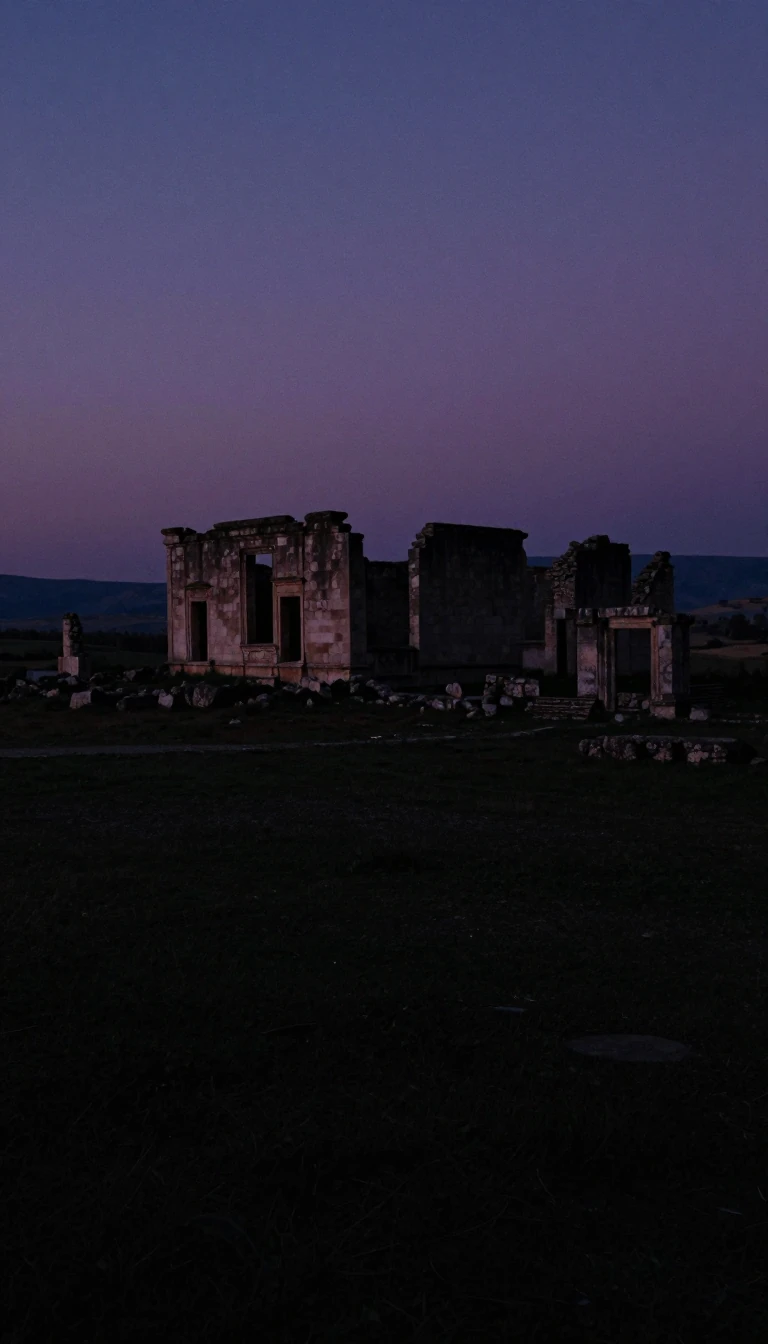
In short: The dissolution of the Ottoman Empire was a chaotic collapse driven by military failure, economic dependency, and rising nationalism. Between 1908 and 1922, the state attempted to reinvent itself through constitutional reform, only to be dismantled by internal coups, ethnic conflict, and the shifting geopolitical interests of European powers.
The decline was marked by a desperate attempt to modernize. Following the 1908 Young Turk Revolution, the state restored its 1876 constitution, hoping that a new, inclusive ideology called Ottomanism would unify its diverse subjects. Proponents aimed to replace the traditional millet system—which organized society by religious confession—with a secular, equal citizenship. However, this vision struggled against the reality of a state that had failed to integrate its territories economically or culturally. By the early 20th century, the empire was heavily indebted to European powers, with the Ottoman Public Debt Administration controlling vital revenues and even livestock taxes.
Military humiliation accelerated the end. Defeats in conflicts against Italy starting in 1911 and the Balkan states in 1912 stripped the empire of its North African holdings and nearly all its European lands. These losses triggered a refugee crisis, as hundreds of thousands of displaced Muslims fled into the remaining heartland, further straining a fragile social fabric. Internally, the government became increasingly radicalized, with the Committee of Union and Progress seizing control in 1913 and moving toward a more authoritarian, nationalist agenda that marginalized minority groups.
The final partition was sealed by the outcome of World War I. While the 1920 Treaty of Sèvres initially left the state as a weakened, nominal caliphate, the subsequent Turkish War of Independence fundamentally transformed the region. On November 1, 1922, the Grand National Assembly formally abolished the Sultanate, ending a dynasty that had ruled since 1299. This transition from a multi-ethnic, religious empire to a modern nation-state was not merely a political shift; it was a violent, complex decolonization process that permanently redrew the map of the Middle East and the Balkans.
Opens the Intellect+ feed with this card first. Swipe up for the next one.
Sources
- Summary by Intellect · source: Dissolution of the Ottoman Empire
To cite this card, link to https://intellectplus.co.uk/app/nature-dissolution-of-the-ottoman-empire.
How we source, check and correct cards: Editorial standards.
General information, not professional advice. Spotted an error? Flag the card or see corrections and complaints.
Intellect Plus is a visual educational discovery platform for exploring fascinating facts and ideas. Brain Food, Not Brain Rot. What is Intellect Plus?
Related
More in Physical geography · More in Nature · Latest · A–Z · All topics
