Dikes are the geological scars left behind when Earth’s crust is pulled apart.
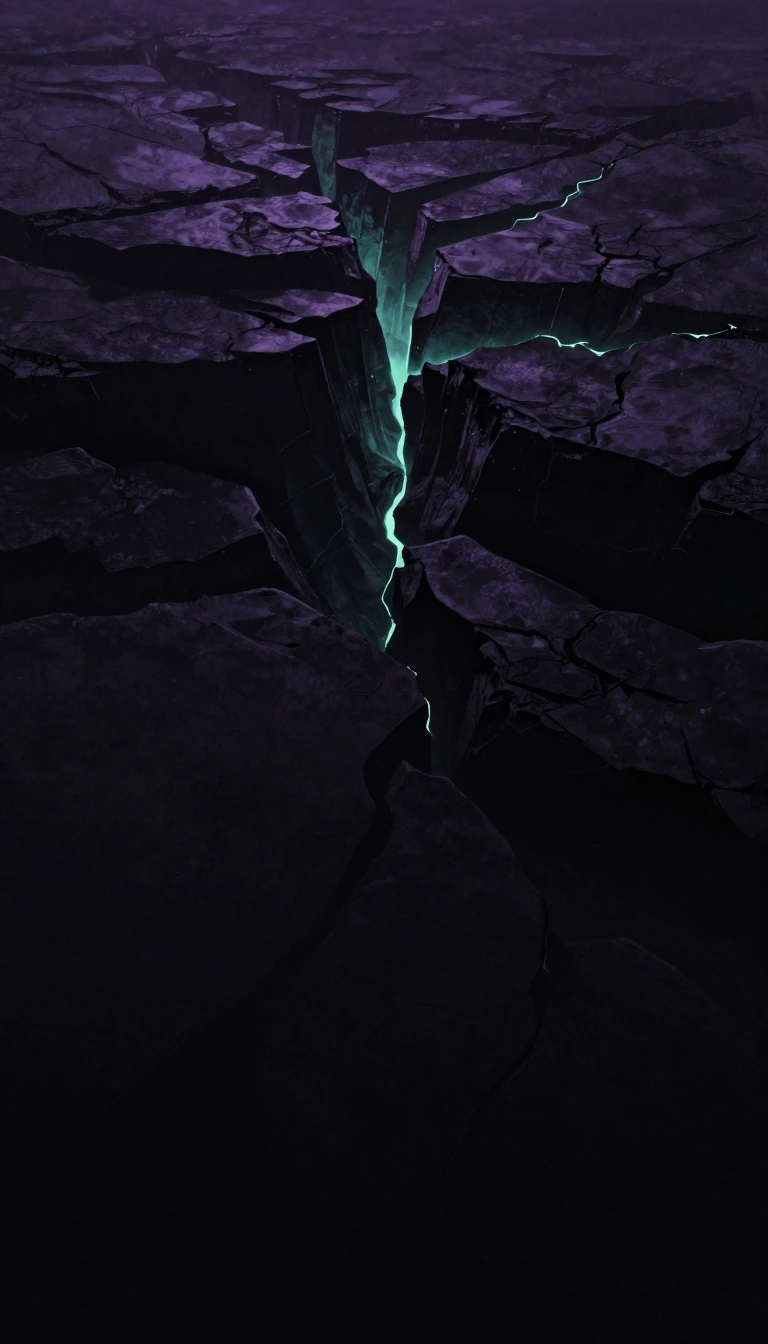
In short: Deep beneath our feet, magma forces its way into fractures, cooling into vertical sheets of rock known as dikes. These structures act as ancient plumbing systems, recording how the Earth’s crust has stretched and shifted over millions of years, often emerging as natural walls after surrounding rock erodes away.
A dike is a sheetlike igneous body that cuts across existing rock layers, distinguishing it from sills, which form parallel to those layers. These structures are typically oriented vertically or steeply inclined. When magma rises from the asthenosphere—a layer located at least 60 kilometres below the surface—it seeks the path of least resistance. Because magma is less dense than the surrounding solid rock, it naturally ascends, filling fractures to create these tabular intrusions.
The formation process changes significantly with depth. Near the surface, where rock is brittle, magma exploits existing fissures or creates new ones through hydraulic fracture. As depth increases and temperatures rise, the rock becomes less brittle. At intermediate depths, magma acts like a bulldozer, forcing rock aside along shear planes. At the greatest depths, where the crust is plastic, the magma no longer forms dikes but instead rises as a diapir, a plug-like mass of molten material.
Geologists study dikes to understand volcanic plumbing and tectonic history. Because dikes form at right angles to the direction of maximum crustal extension, they serve as a permanent record of ancient tectonic forces. Their physical characteristics, such as grain size and the presence of chilled margins, reveal the cooling history of the magma. While most dikes are basaltic, their thickness can range from a few millimetres to hundreds of metres, with some extending over 100 kilometres in length.
The name 'dike' itself reflects their appearance in the landscape. Because the igneous rock within a dike is often more resistant to weathering than the surrounding country rock, erosion frequently leaves the dike standing as a natural wall or ridge. These features are not just isolated curiosities; they are essential components of the Earth's crustal architecture, playing a vital role in the spreading of ocean basins and the formation of continental margins.
Opens the Intellect+ feed with this card first. Swipe up for the next one.
Sources
- Summary by Intellect · source: Dike | Volcanic, Intrusive & Magma | Britannica
- Also: Dike (geology)
To cite this card, link to https://intellectplus.co.uk/app/nature-dike-geology.
How we source, check and correct cards: Editorial standards.
General information, not professional advice. Spotted an error? Flag the card or see corrections and complaints.
Intellect Plus is a visual educational discovery platform for exploring fascinating facts and ideas. Brain Food, Not Brain Rot. What is Intellect Plus?
Related
More in Physical geography · More in Nature · Latest · A–Z · All topics
