Earth is a giant heat engine, and its thermostat is currently running a fever.
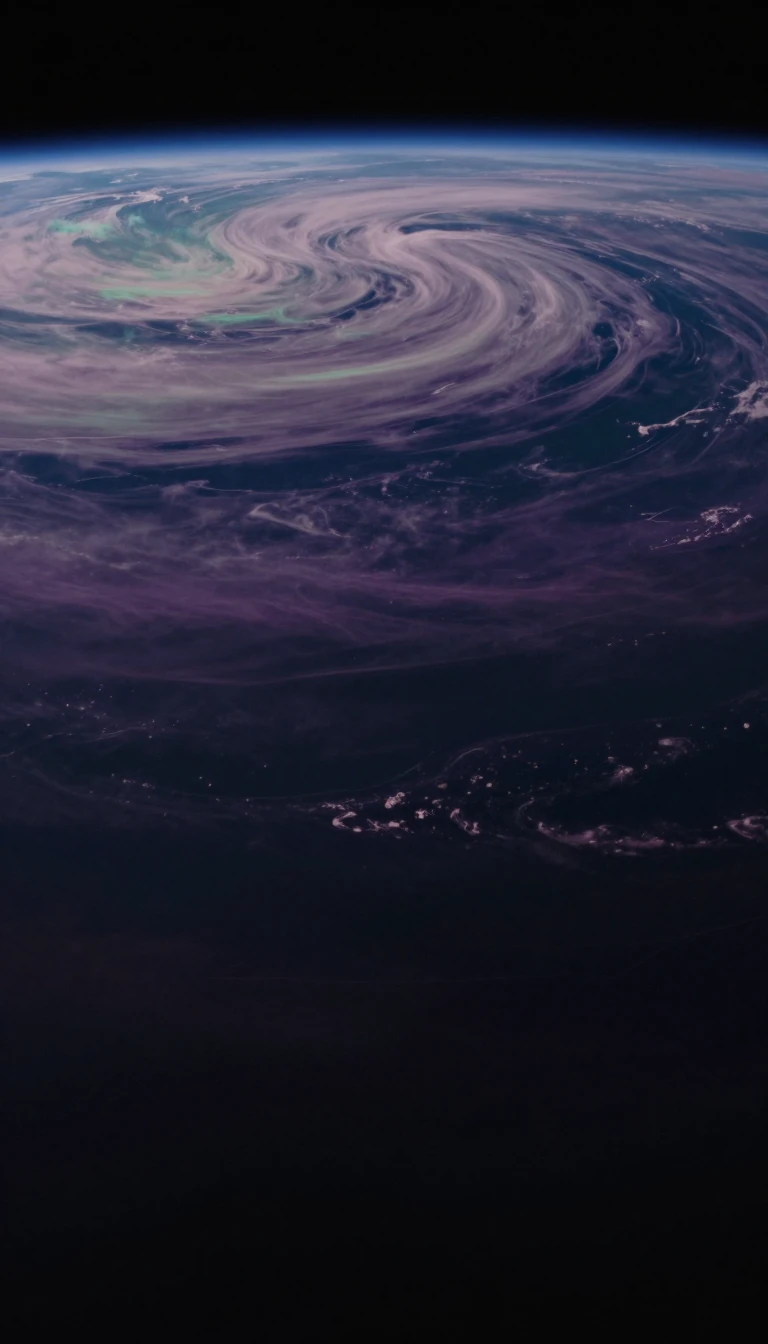
In short: Earth functions as a massive, solar-powered heat engine, constantly balancing incoming sunlight with outgoing thermal radiation. While this delicate equilibrium has kept our climate stable for millennia, human activity is now trapping extra energy, causing a measurable imbalance that is fundamentally altering the planet's temperature and weather patterns.
At the top of our atmosphere, Earth receives an average of 340 watts of solar power per square meter. Because the planet is a sphere, this energy is not distributed evenly; the tropics receive a surplus, while the poles face a deficit. To prevent the equator from overheating and the poles from freezing, the atmosphere and oceans act as a global heat engine, circulating energy through winds, ocean currents, evaporation, and rainfall to redistribute heat toward the poles.
This system relies on radiative equilibrium: the balance between incoming solar energy and the heat Earth radiates back into space as infrared radiation. However, this balance is fragile. Factors like clouds, aerosols, and surface albedo—the reflectivity of surfaces like ice or dark forests—constantly influence how much energy is absorbed or reflected. When the amount of energy entering the system exceeds what escapes, the planet must warm up to restore balance.
Recent data from NASA’s CERES instruments and other research show that this equilibrium is currently disrupted. Greenhouse gases are preventing infrared radiation from escaping, leading to an accumulation of energy. Estimates indicate that the global energy imbalance has risen from under 0.60 watts per square meter at the end of the 20th century to 0.79 watts per square meter between 2006 and 2018. This trapped energy is driving rapid changes, such as the loss of Arctic sea ice and variations in global weather patterns, as the Earth system works to accommodate the surplus.
Opens the Intellect+ feed with this card first. Swipe up for the next one.
Sources
- Summary by Intellect · source: Climate and Earth’s Energy Budget - NASA Science
- Also: The Energy Budget | Center for Science Education
- Also: What is Earth’s Energy Budget? Five Questions with a Guy Who Knows - NASA
- Also: Earth's energy budget
To cite this card, link to https://intellectplus.co.uk/app/nature-earth-s-energy-budget.
How we source, check and correct cards: Editorial standards.
General information, not professional advice. Spotted an error? Flag the card or see corrections and complaints.
Intellect Plus is a visual educational discovery platform for exploring fascinating facts and ideas. Brain Food, Not Brain Rot. What is Intellect Plus?
Related
More in Air · More in Nature · Latest · A–Z · All topics
