Why Earth’s climate system is a complex web of self-reinforcing and balancing loops
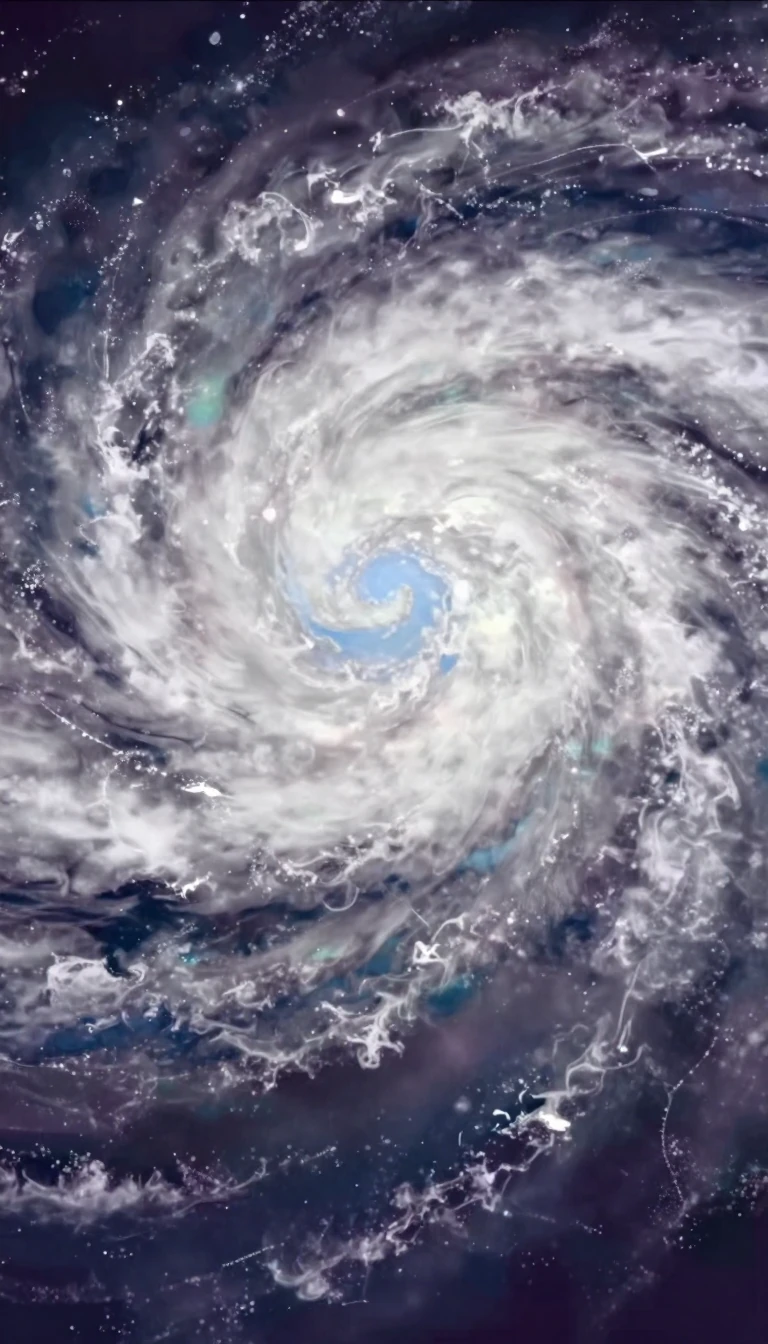
In short: Climate change is not just about emissions; it is driven by feedback loops that either stabilize or accelerate warming. While some processes act as a natural thermostat, others create dangerous, self-amplifying cycles that can push the planet toward irreversible tipping points, fundamentally altering our climate regime in ways we cannot easily reverse.
At the heart of Earth’s climate system lies the Planck response, the most fundamental stabilizing mechanism. According to the Stefan-Boltzmann law, as the planet’s surface temperature rises, it emits more longwave radiation back into space. This negative feedback acts as a natural brake on warming, preventing runaway effects. Without additional influences, this process would limit climate sensitivity to approximately 0.25 °C for every watt per square metre of radiative forcing.
However, positive feedbacks often overwhelm this stability. The water vapour feedback is particularly potent; as the atmosphere warms, its capacity to hold water vapour increases, and because water vapour is a powerful greenhouse gas, this leads to further warming. Similarly, the ice albedo feedback creates a reinforcing cycle: as ice sheets melt, they reveal darker surfaces that absorb more heat, which in turn accelerates further melting. These processes push climate sensitivity higher, often estimated between 0.5 and 1.0 °C per watt per square metre.
The carbon cycle introduces further complexity. Historically, oceans and the terrestrial biosphere have sequestered 50–70 percent of anthropogenic CO2 emissions. Yet, rising temperatures threaten these sinks. Warming oceans hold less dissolved CO2, and increased acidity—driven by higher CO2 uptake—threatens marine life. If these reservoirs lose their capacity to absorb carbon, the pace of atmospheric CO2 buildup will accelerate, representing a critical positive feedback loop.
Tipping points occur when these positive feedbacks become so dominant that they push the climate into a new, irreversible state. For instance, once ice sheet melting crosses a certain threshold, the resulting sea level rise becomes unavoidable. We are already observing the impacts of this shift, with global average sea levels rising by 0.20 to 0.30 meters, leading to increased nuisance tidal flooding in coastal cities. These changes mark a transition to a new climate normal that persists regardless of subsequent human intervention.
Opens the Intellect+ feed with this card first. Swipe up for the next one.
Sources
- Summary by Intellect · source: Global warming - Climate Sensitivity, Feedback, Impacts | Britannica
- Also: Climate Feedback Loops and Tipping Points | Center for Science Education
- Also: Climate change feedbacks
To cite this card, link to https://intellectplus.co.uk/app/nature-climate-change-feedbacks.
How we source, check and correct cards: Editorial standards.
General information, not professional advice. Spotted an error? Flag the card or see corrections and complaints.
Intellect Plus is a visual educational discovery platform for exploring fascinating facts and ideas. Brain Food, Not Brain Rot. What is Intellect Plus?
Related
More in Air · More in Nature · Latest · A–Z · All topics
