Why the world's 14 tallest peaks are defined by an arbitrary 18th-century measurement
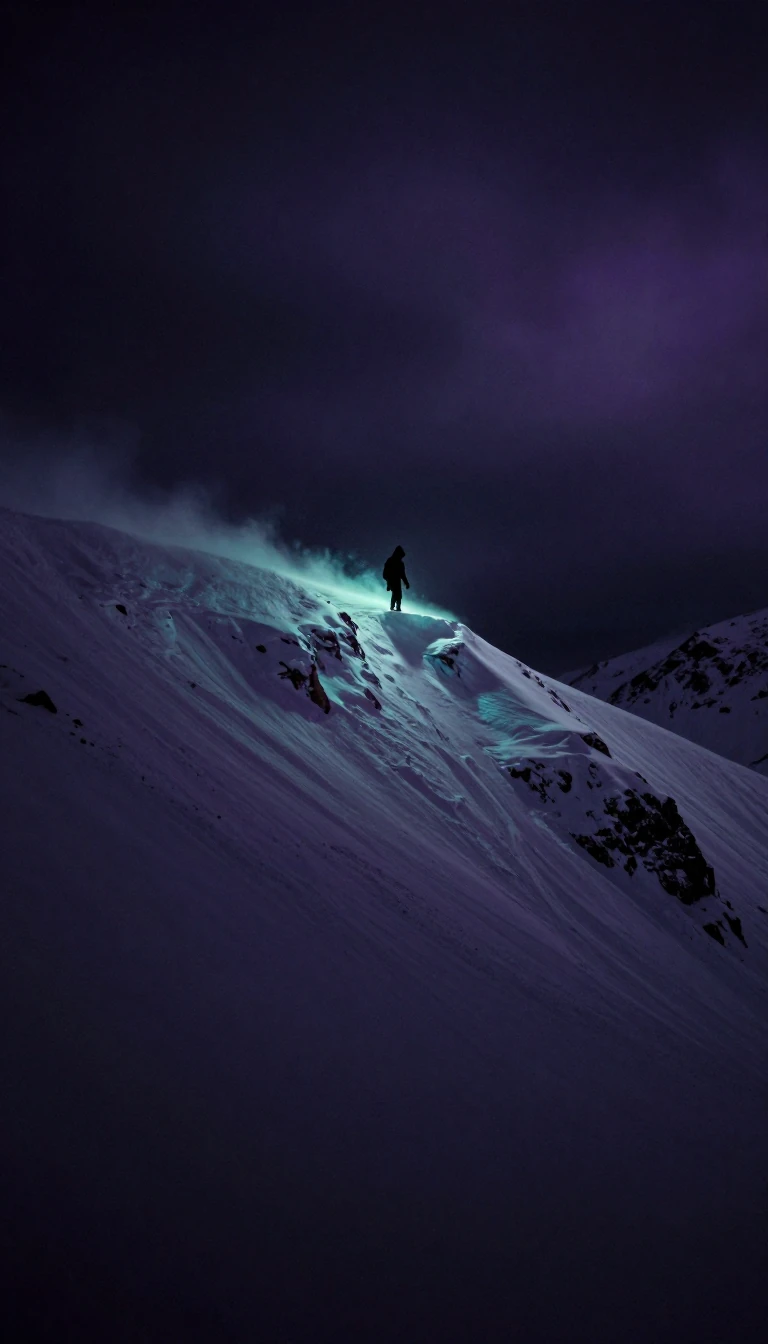
In short: Fourteen mountains stand above 8,000 meters, a threshold that exists only because of how French scientists defined the meter in 1793. These peaks, located in the Himalayan and Karakoram ranges, represent the ultimate test for climbers, who face extreme oxygen deprivation, hurricane-force winds, and the constant threat of death.
The designation of an eight-thousander is based on the metric system, specifically the decision to set a meter as one ten-millionth of the distance from the equator to the North Pole. Had this unit been slightly different, the list of these giants would have changed significantly. Today, these 14 peaks are defined by their elevation and their topographic independence, though the latter remains a subject of debate among mountaineering organizations.
Beyond the numbers, these mountains are geological anomalies. The summits of the highest peaks, including Mount Everest, are composed of marine limestone—the fossilized remains of ancient sea creatures. This serves as a testament to the power of plate tectonics, which began pushing the Indian subcontinent into Asia roughly 40 million years ago. This ongoing collision continues to uplift these ranges, creating a natural laboratory for geologists to study the Earth's surface movements.
For humans, the environment above 8,000 meters is known as the death zone. At this altitude, the air is so thin that full acclimatization is impossible, and survival is limited to a few days. Despite these risks, climbers like Reinhold Messner have long been drawn to these summits, seeking what he described as an 'overview'—a profound shift in perspective gained from standing at the top of the world. While satellite imagery now provides a top-down view that reveals the complex, sinuous ridges of these mountains, the physical allure of the peaks remains undiminished.
Opens the Intellect+ feed with this card first. Swipe up for the next one.
Sources
- Summary by Intellect · source: The Eight-Thousanders - NASA Science
- Also: Eight-thousander
To cite this card, link to https://intellectplus.co.uk/app/nature-eight-thousander.
How we source, check and correct cards: Editorial standards.
General information, not professional advice. Spotted an error? Flag the card or see corrections and complaints.
Intellect Plus is a visual educational discovery platform for exploring fascinating facts and ideas. Brain Food, Not Brain Rot. What is Intellect Plus?
Related
More in Physical geography · More in Nature · Latest · A–Z · All topics
