The Enantiornithes were the most successful birds of the Mesozoic, yet they vanished entirely.
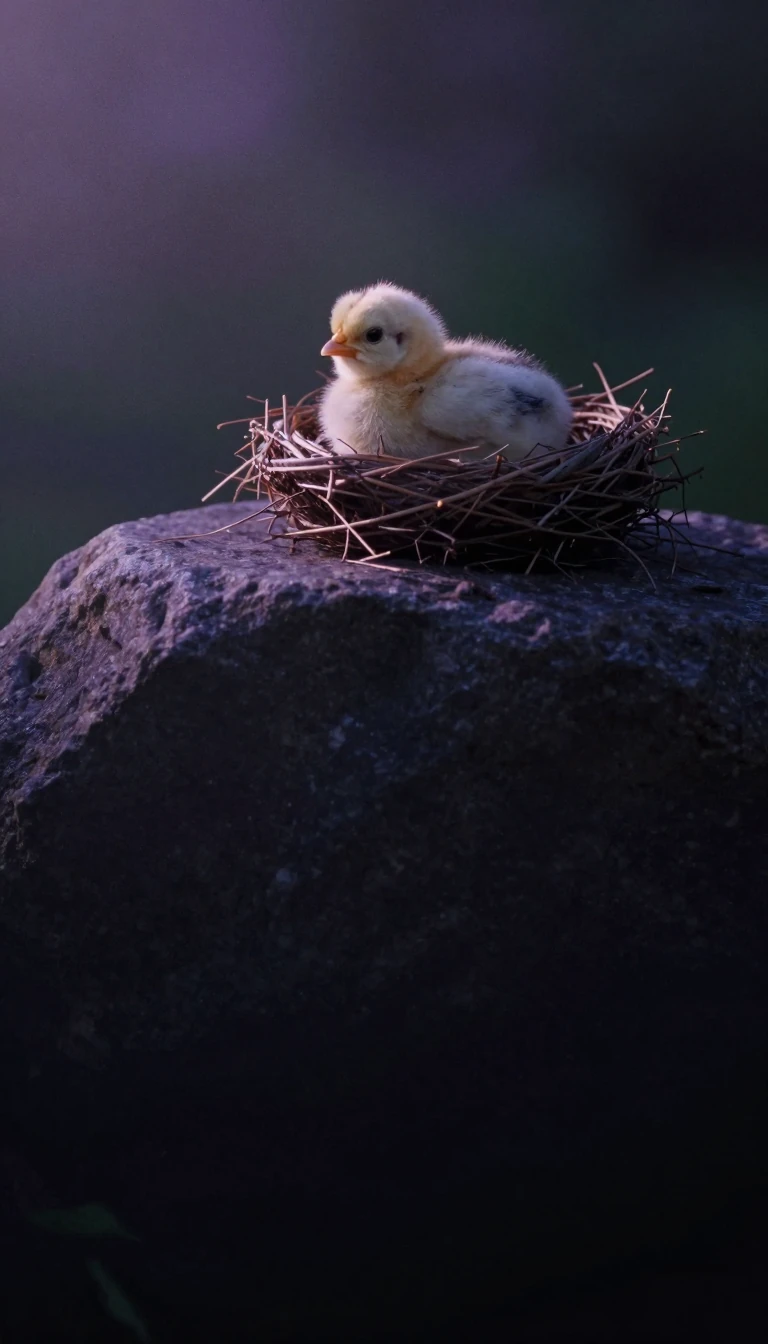
In short: Known as opposite birds, the Enantiornithes dominated the skies during the Cretaceous period. While they looked remarkably like modern birds, their shoulder anatomy was reversed, and they hatched ready to fly. Despite their global success and diverse lifestyles, this entire lineage disappeared alongside the non-avian dinosaurs 66 million years ago.
The Enantiornithes, or opposite birds, represent the most diverse and abundant avialan group of the Mesozoic era. First identified as a distinct lineage by Cyril A. Walker in 1981, they are named for a unique anatomical reversal: in modern birds, the shoulder joint consists of a convex scapula and concave coracoid, but in Enantiornithes, these roles are swapped. This group was the first to achieve a truly global distribution, with fossils discovered on every continent except Antarctica.
Most Enantiornithes were small, roughly sparrow-sized, and retained primitive features like toothed jaws and clawed fingers on their wings. Despite these archaic traits, they possessed advanced, modern-looking feathers and were capable of efficient flight. Their reproductive strategy was notably different from most modern birds; evidence suggests they were superprecocial, meaning hatchlings were highly developed and independent almost immediately after emerging from the egg. Some species even buried their eggs in a manner similar to modern megapodes.
The group's dietary habits were incredibly varied, ranging from insectivores and fishers to raptors that could lift prey with their feet. However, understanding their biology remains a challenge because many fossils are fragmentary. While early studies suggested they were inferior flyers due to their shoulder structure and lack of complex tail fans, later research indicates they were highly capable in the air. By the end of the Cretaceous, some species had even evolved features convergent with modern birds, such as deeply keeled sterna, before the entire group went extinct at the Cretaceous–Paleogene boundary.
Opens the Intellect+ feed with this card first. Swipe up for the next one.
Sources
- Summary by Intellect · source: Enantiornithes
To cite this card, link to https://intellectplus.co.uk/app/nature-enantiornithes.
How we source, check and correct cards: Editorial standards.
General information, not professional advice. Spotted an error? Flag the card or see corrections and complaints.
Intellect Plus is a visual educational discovery platform for exploring fascinating facts and ideas. Brain Food, Not Brain Rot. What is Intellect Plus?
Related
More in Organisms · More in Nature · Latest · A–Z · All topics
