The European dark bee is a polarizing icon of native purity and modern controversy
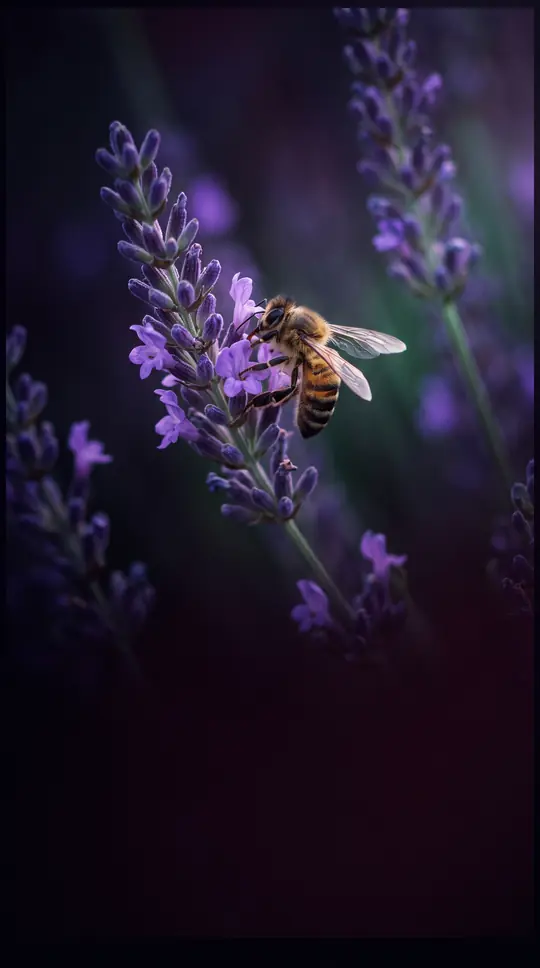
In short: The European dark bee, Apis mellifera mellifera, is a subspecies steeped in myth and intense conservation efforts. Often championed as a native treasure, it faces scrutiny for its aggressive temperament and susceptibility to disease. Behind the romanticized quest for racial purity lies a complex reality of genetics, history, and scientific debate.
The European dark bee, or Apis mellifera mellifera, has a history spanning from the Tien Shan Mountains to the Pyrenees. Once the dominant bee of northern Europe, it was domesticated and eventually introduced to North America in 1622. Today, it is frequently rebranded by local beekeepers as a 'native' strain, such as the British black bee or the Nordic brown bee, despite genetic evidence showing these are all the same subspecies. This pursuit of 'racial purity' often involves wing morphometry—a method of measuring wing veins—to distinguish these bees from other lineages, though the results depend heavily on the specific techniques used.
The subspecies is notorious for its challenging traits. Research, including a 2014-2017 European survey, consistently identifies them as more aggressive, prone to swarming, and less hygienic than other bees. This lack of hygienic behavior leaves them particularly vulnerable to the Varroa mite. While some proponents argue that grooming behavior offers a defense, laboratory experiments have shown that even when these bees attempt to remove mites, they rarely succeed in damaging them, and the mites often simply remount their hosts. Furthermore, their shorter tongues and larger size make them less efficient at foraging from certain flowers compared to other subspecies.
The ideological baggage surrounding the bee is significant. In 1937, the Third Reich promoted the 'Native German Dark bee' as part of their 'Blood and Soil' ideology, banning imports of other subspecies. This policy collapsed following a devastating epidemic of Nosema apis in 1940-1942, which forced a shift toward the more disease-resistant A. m. carnica. Modern conservation efforts, such as those on the islands of Læsø and Colonsay, continue to spark legal battles and debates over whether these bees are truly worth protecting or if they are simply less productive than modern alternatives. Ultimately, while some groups strive to maintain these 'native' populations, others argue that focusing on performance and disease resistance is the only viable path for modern beekeeping.
Opens the Intellect+ feed with this card first. Swipe up for the next one.
Sources
- Summary by Intellect · source: European dark bee
To cite this card, link to https://intellectplus.co.uk/app/nature-european-dark-bee.
How we source, check and correct cards: Editorial standards.
General information, not professional advice. Spotted an error? Flag the card or see corrections and complaints.
Intellect Plus is a visual educational discovery platform for exploring fascinating facts and ideas. Brain Food, Not Brain Rot. What is Intellect Plus?
Related
More in Arthropods · More in Nature · Latest · A–Z · All topics
