Are the earliest known primate fossils actually just misunderstood gliding mammals?
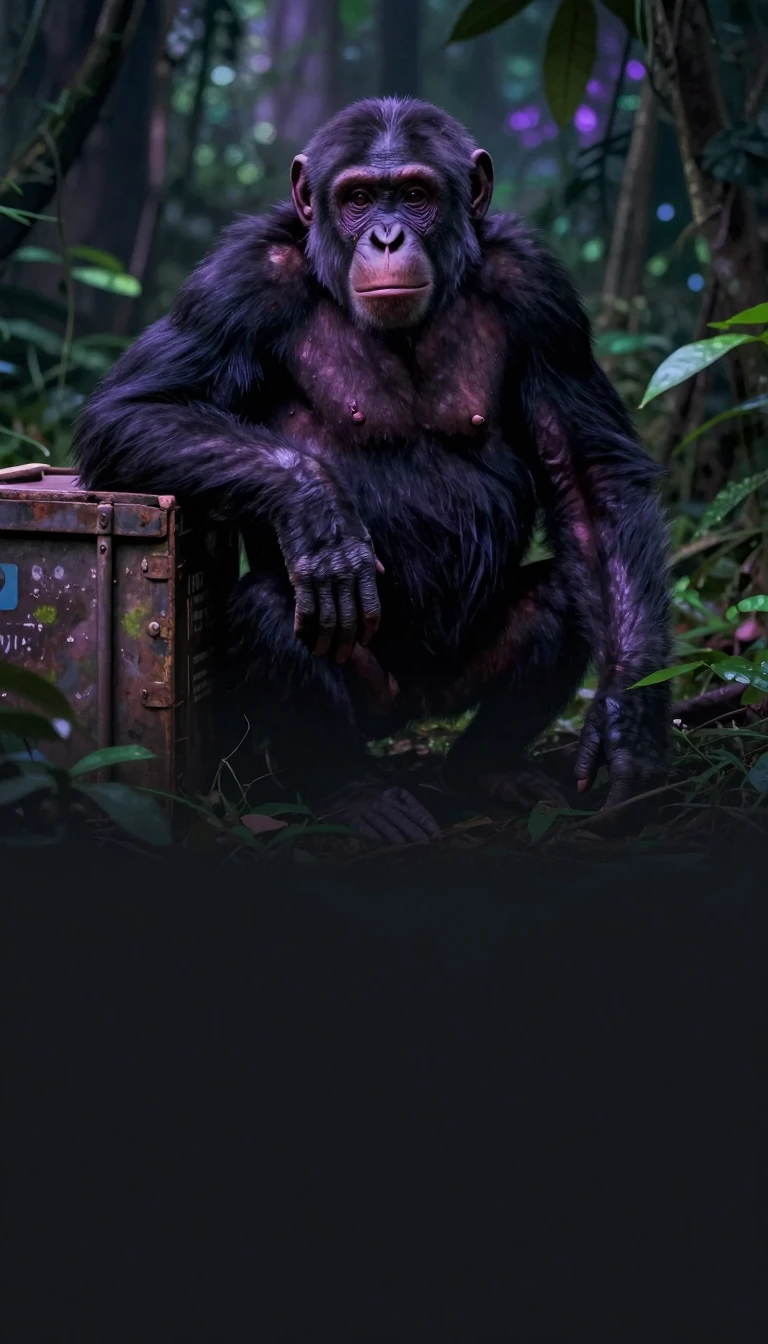
In short: The story of primate evolution is a shifting puzzle. While we once traced our lineage back 66 million years to the genus Purgatorius, recent discoveries suggest these ancient creatures might not be primates at all. Instead, they could belong to a group of gliding mammals known as the colugo.
For decades, the field of primate paleontology has been defined by a cycle of discovery and correction. Since the 1950s, advancements in geologic dating and molecular genetics have transformed our understanding of the primate family tree. Yet, this progress is often complicated by taxonomic disputes. Scientists frequently oscillate between 'splitting'—assigning new names to every minor fossil variation—and 'lumping' disparate groups together. Today, the consensus favors cladistic methodology, which insists that taxonomic groups must be monophyletic, including only the descendants of a single common ancestor.
The status of our oldest ancestors remains particularly contentious. The genus Purgatorius, discovered in Montana and dating to approximately 66 million years ago, was long considered the earliest primate. However, this classification relies on a limited set of teeth and jaws, and it is not universally accepted. The uncertainty deepened when researchers examined limb bones from other Paleocene genera like Ignacius. These findings suggest that these supposed primates might actually be members of the order Dermoptera, the group that includes the modern gliding colugo of Southeast Asia. If this theory holds, the primate fossil record for the Paleocene epoch effectively vanishes, leaving behind only a few ambiguous teeth.
Despite these challenges, the broader narrative of primate evolution has become clearer through significant finds across Africa, Europe, and North America. Sites like the Faiyum depression in Egypt have provided a vital window into the Eocene and Oligocene epochs, showing how early tropical populations eventually gave rise to modern lemurs, lorises, and anthropoids. While older, fraudulent, or misidentified fossils like the Piltdown man have been purged from the record, new discoveries continue to refine our view of the past. The history of primates is not a static list of ancestors, but a dynamic, ongoing investigation into the origins of our own lineage.
Opens the Intellect+ feed with this card first. Swipe up for the next one.
Sources
- Summary by Intellect · source: Primate - Evolution, Paleontology, Adaptations | Britannica
- Also: Evolution of primates
To cite this card, link to https://intellectplus.co.uk/app/nature-evolution-of-primates.
How we source, check and correct cards: Editorial standards.
General information, not professional advice. Spotted an error? Flag the card or see corrections and complaints.
Intellect Plus is a visual educational discovery platform for exploring fascinating facts and ideas. Brain Food, Not Brain Rot. What is Intellect Plus?
Related
More in Earth science · More in Nature · Latest · A–Z · All topics
