Sheep islands kept Norse speech and skipped the EEC
In short: The Faroes, an autonomous Danish Atlantic archipelago between Iceland, Norway, and Scotland’s northern isles, held about 54,870 people as of November figures in the source. Fishing still makes roughly 90 percent of exports—and they never joined the EEC so they could keep their waters.
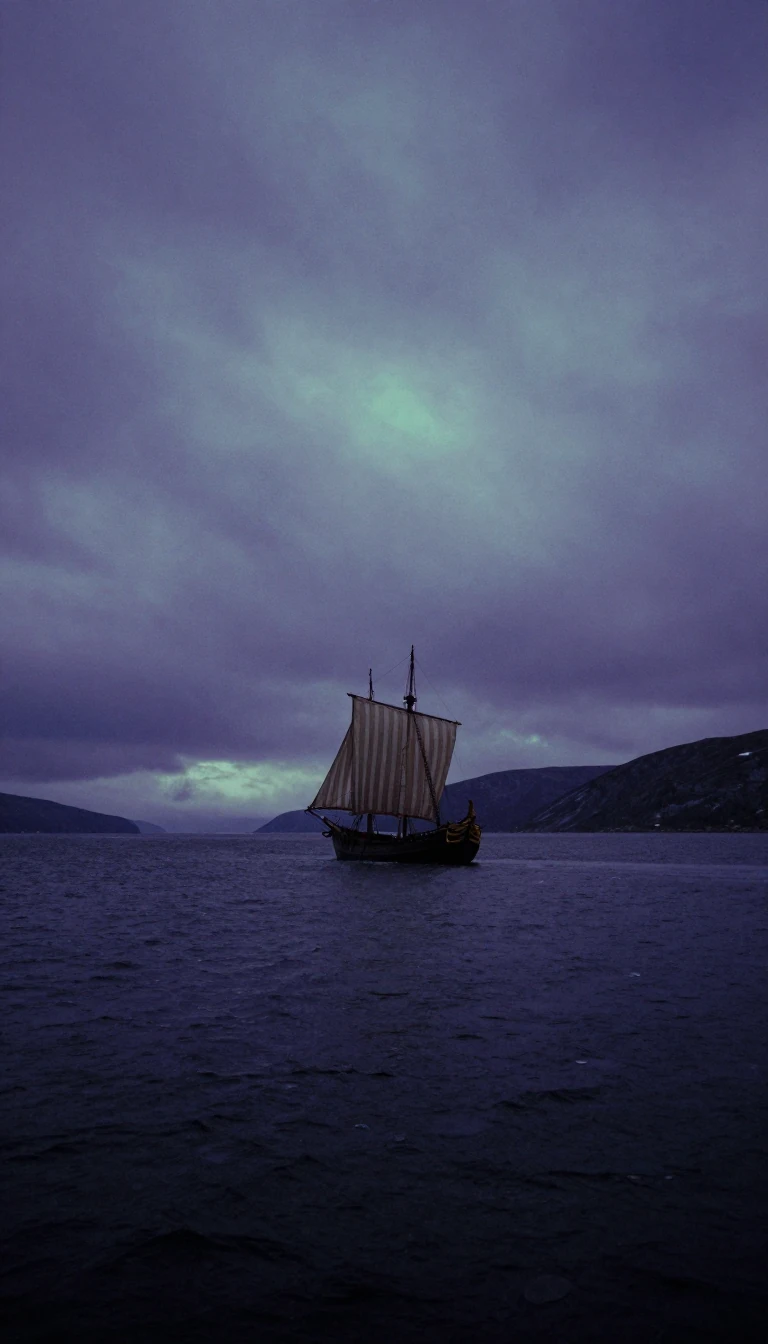
Old Norse Færeyjar is popularly read as sheep islands, though Scottish writers James Currie and William Watson proposed Gaelic words for pasture or land instead. The Irish monk Dicuil wrote of islands north of Scotland where Irish hermits had lived for nearly a century until Northman pirates drove them off. Archaeology published in 2021 found barley and burnt peat from the mid-fourth to eighth centuries, before Norse settlers arrived in the early ninth century under Grímur Kamban, many of them Norse-Gaels from around the Irish Sea.
The Løgting assembly was already established by the mid-tenth century, when the saga records a dispute between chieftains Havgrímur and Einar Suðuroyingur. Sigmundur Brestisson, baptised by King Olaf Tryggvason, brought Christianity around 1000 as part of a plan to annex the islands for Norway. Union with Denmark followed in 1380, Lutheranism in 1538, and Barbary corsairs raided repeatedly, most notoriously on Suðuroy in 1629.
A Danish trade monopoly held back the economy until 1856, when its end let a modern fishing industry grow. Pastor Venceslaus Hammershaimb gave Faroese an official spelling in 1846, and in the early twentieth century the language displaced Danish in church, schools, and courts, while the Union Party and the Self-Government Party argued over ties to Copenhagen. Britain occupied the islands during the Second World War.
Today Denmark keeps defence, police, justice, and currency, while Tórshavn runs most other affairs and sets its own trade policy outside the Danish customs area. Tourism has grown since 2010, but fish still make up about 90 percent of exports, which is why the islands stayed out of the European Economic Community in 1973.
Opens the Intellect+ feed with this card first. Swipe up for the next one.
Sources
- Summary by Intellect · source: Faroe Islands
To cite this card, link to https://intellectplus.co.uk/app/nature-faroe-islands.
How we source, check and correct cards: Editorial standards.
General information, not professional advice. Spotted an error? Flag the card or see corrections and complaints.
Intellect Plus is a visual educational discovery platform for exploring fascinating facts and ideas. Brain Food, Not Brain Rot. What is Intellect Plus?
Related
More in Physical geography · More in Nature · Latest · A–Z · All topics
