The island of the living dead: Britain's long history of disappearance
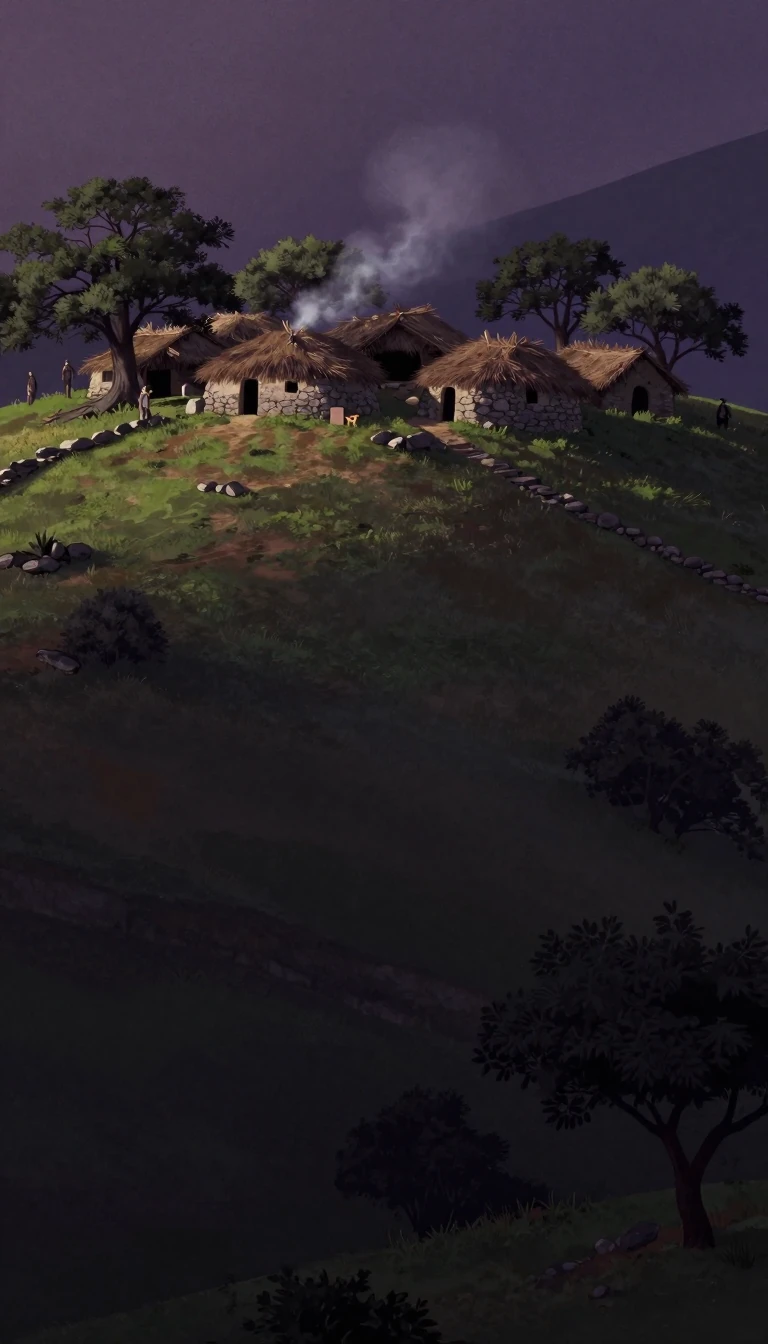
In short: For nearly a million years, Britain was less a permanent home and more a revolving door. Driven by extreme climate swings, human populations repeatedly colonized and then abandoned the island, leaving behind a fragmented record of survival in a landscape that was constantly shifting.
The history of human occupation in Britain is a story of extreme instability. For much of the Palaeolithic, the island was a site of intermittent residency rather than permanent settlement. During warm interglacial periods, humans moved into temperate landscapes populated by straight-tusked elephants, lions, and cave hyenas. However, these populations often struggled to maintain numbers, sometimes reproducing below replacement levels and relying on new immigration to survive. When severe ice ages arrived, the landscape turned into a tundra, forcing humans to retreat or face extinction.
This cycle of colonization and abandonment occurred at least nine separate times. One of the most significant shifts occurred around 425,000 years ago during the Anglian Glaciation, when a megaflood broke through the Weald–Artois Anticline. This geological event destroyed the chalk ridge connecting South East England to northern France, beginning a long process of isolation. By 130,000 years ago, Britain had become a true island, though it would reconnect to the continent via Doggerland during the Last Glacial Period.
The archaeological record itself reflects this volatility. While sites like Happisburgh provide evidence of humans living in Britain as far back as 900,000 years ago, much of the early history is a 'broken record' of external introductions. It was not until the end of the Younger Dryas around 11,700 years ago that continuous occupation began. Even then, the landscape continued to transform; by 6200 BC, the land bridge of Doggerland was completely submerged, leaving the British Isles in the configuration we recognize today.
Opens the Intellect+ feed with this card first. Swipe up for the next one.
Sources
- Summary by Intellect · source: Prehistoric Britain
To cite this card, link to https://intellectplus.co.uk/app/culture-prehistoric-britain.
How we source, check and correct cards: Editorial standards.
General information, not professional advice. Spotted an error? Flag the card or see corrections and complaints.
Intellect Plus is a visual educational discovery platform for exploring fascinating facts and ideas. Brain Food, Not Brain Rot. What is Intellect Plus?
Related
More in Festivals & celebrations · More in Cultures · Latest · A–Z · All topics
