Are feral children truly raised by animals, or are these stories merely persistent myths?
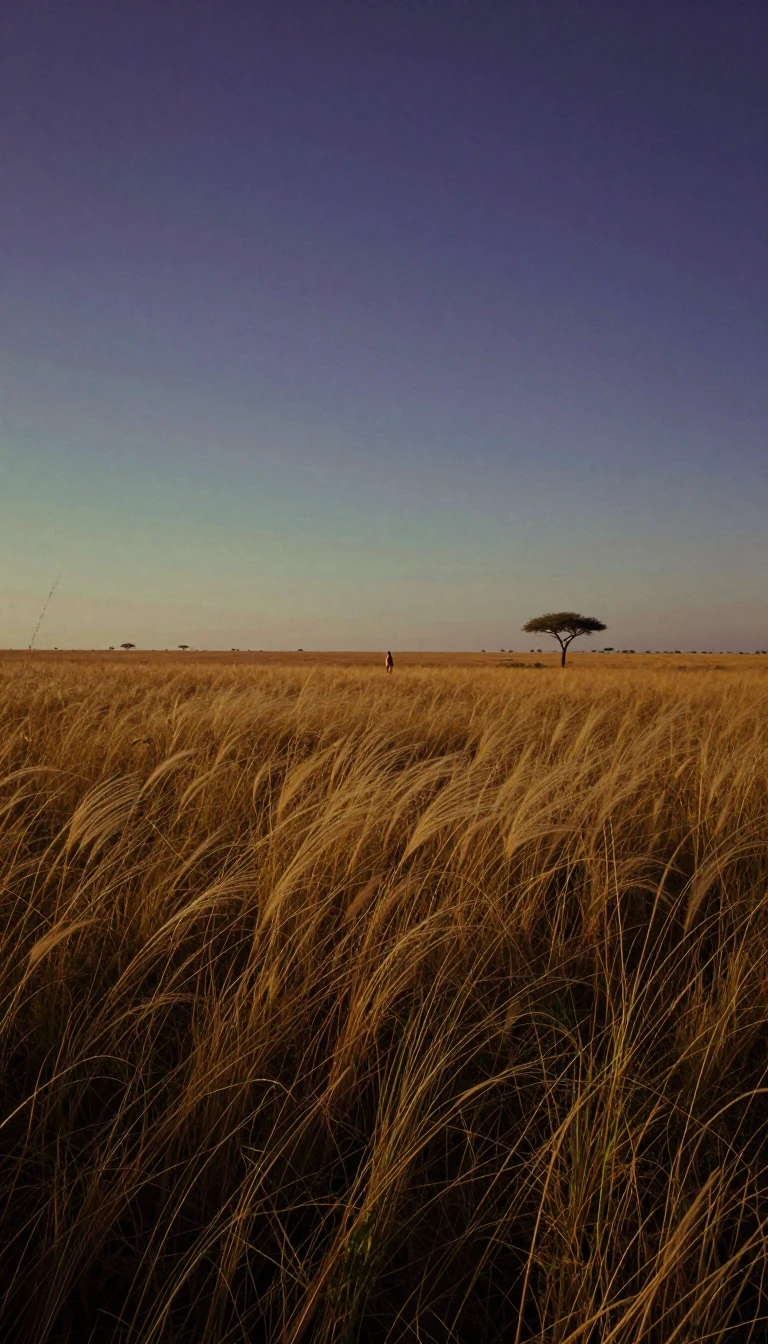
In short: Tales of children raised by wolves or monkeys have captivated humanity for centuries, often serving as the inspiration for legends like Mowgli. Yet, scientific evidence for such animal-nurtured upbringing is nonexistent. Instead, these cases typically involve children suffering from severe isolation, trauma, or pre-existing developmental disabilities, challenging our understanding of human nature.
The concept of the feral child—a young person isolated from human contact and socialization—has long fascinated philosophers and scientists. Historically, these stories were confined to folklore, where children were depicted as hunting, walking on all fours, and lacking language. By the 18th and 19th centuries, scholars began using these cases to explore the divide between biological behavior and cultural development. However, many famous accounts, such as the 1926 report of Amala and Kamala in India, have been dismissed by experts as fraudulent attempts to solicit funds or as misinterpretations of children who were simply born with physical or mental disabilities.
Modern cases often reveal a more tragic reality. Many children labeled as feral were actually victims of extreme neglect or abuse, such as Oxana Malaya, who sought comfort with dogs after being neglected by her alcoholic parents, or Ho Van Lang, who spent four decades in the jungle with his father to escape the Vietnam War. While some children exhibit animal-like behaviors—such as walking on all fours, barking, or chewing bones—these are often survival adaptations to their environment rather than evidence of being raised by a specific species. There are no verified eyewitness accounts of animals actively feeding human children.
The study of these individuals remains difficult due to a lack of scientific data. While some, like John Ssebunya, successfully reintegrated into society and gained speech, others remained permanently impaired. These cases are frequently cited in debates regarding the critical period hypothesis, which suggests that there is a limited window for humans to acquire natural language. Ultimately, the term feral child serves more as a reflection of human curiosity about our own development than as a biological category, with many cases proving to be complex stories of human suffering rather than wild, animal-led upbringing.
Opens the Intellect+ feed with this card first. Swipe up for the next one.
Sources
- Summary by Intellect · source: Feral child
To cite this card, link to https://intellectplus.co.uk/app/nature-feral-child.
How we source, check and correct cards: Editorial standards.
General information, not professional advice. Spotted an error? Flag the card or see corrections and complaints.
Intellect Plus is a visual educational discovery platform for exploring fascinating facts and ideas. Brain Food, Not Brain Rot. What is Intellect Plus?
Related
More in Organisms · More in Nature · Latest · A–Z · All topics
