Why these masters of disguise use a retractable spine to survive in the reef
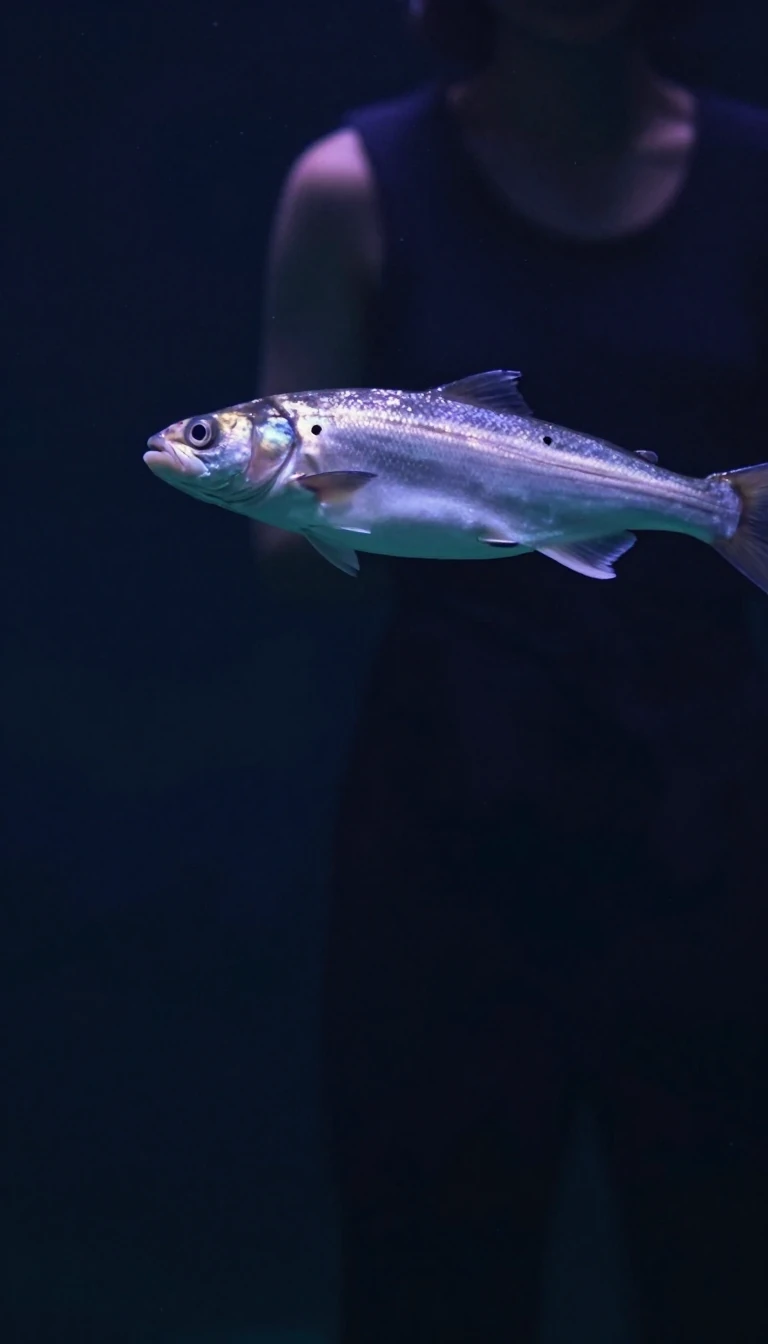
In short: Filefish are masters of deception, using rapid color shifts and a locking dorsal spine to evade predators. These sluggish swimmers rely on cryptic patterns and a unique pelvic dewlap to appear larger than they are, turning their own bodies into a complex tool for survival in shallow tropical waters.
The Monacanthidae family, comprising about 102 species across 27 genera, is defined by its namesake rough, sandpaper-like skin. These fish are closely related to triggerfish, yet they exhibit greater ecological and morphological diversity. Their bodies are typically rhomboid and laterally compressed, featuring a specialized pelvic bone that can extend to form a large, keeled 'dewlap.' This structure, when combined with an erectile dorsal spine that locks into place, allows the fish to wedge themselves firmly into reef crevices, making them difficult for predators to extract.
Beyond their physical defenses, filefish are renowned for their physiological color changes. Using chromatophores, they can shift from muted to intense patterns in seconds. In species like Stephanolepis cirrhifer, these shifts serve as social signals; dominant individuals display vibrant patterns during combat, while subordinates or frightened fish lose their markings entirely. Other species, such as Monacanthus tuckeri, use these changes for camouflage, adapting their appearance to match macroalgae or coral backgrounds. This visual deception is often bolstered by a characteristic head-down swimming posture that disrupts their fishlike outline.
While most filefish are small—typically under 60 cm—the scrawled filefish (Aluterus scriptus) can reach lengths of up to 110 cm. Their feeding habits are equally varied, ranging from herbivorous grazing on algae to specialized corallivory. This diversity has led to complex relationships with human fisheries; while some species like the ocean leatherjacket are commercially significant, others are treated as bycatch or, in the case of the threadsail filefish, processed into dried snacks like jwipo. Despite their sluggish swimming, some species, such as the smooth leatherjacket, have been recorded living up to 19 years in the wild, proving that their evolutionary strategy of camouflage and caution is highly effective.
Phylogenetic evidence suggests that filefish and triggerfish diverged during the Middle Eocene. The filefish lineage appears to have originated in the Late Eocene, potentially explaining their broader radiation compared to their triggerfish cousins. Today, they remain a staple of shallow-water ecosystems, often found in lagoons or seagrass beds, where they continue to refine the art of hiding in plain sight.
Opens the Intellect+ feed with this card first. Swipe up for the next one.
Sources
- Summary by Intellect · source: Filefish
- Also: www.britannica.com — Filefish | Marine, Reef, Carnivorous | Britannica
To cite this card, link to https://intellectplus.co.uk/app/nature-filefish.
How we source, check and correct cards: Editorial standards.
General information, not professional advice. Spotted an error? Flag the card or see corrections and complaints.
Intellect Plus is a visual educational discovery platform for exploring fascinating facts and ideas. Brain Food, Not Brain Rot. What is Intellect Plus?
Related
More in Vertebrates · More in Nature · Latest · A–Z · All topics
