How a humble coal-hauling ship enabled the first scientific expedition to the Pacific
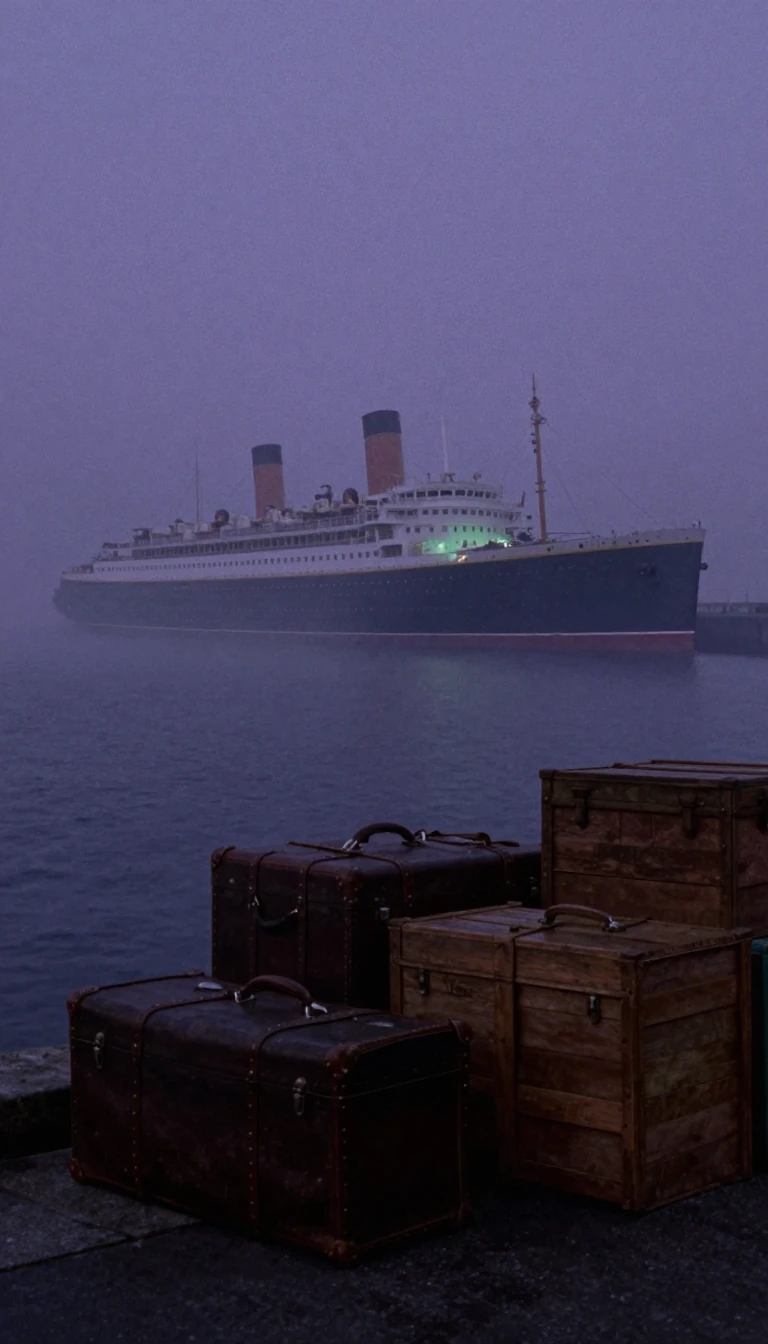
In short: In 1768, the British Admiralty commissioned a sturdy, 368-ton collier to sail the Pacific. Led by James Cook, this unlikely vessel carried scientists to observe the transit of Venus and hunt for a mythical southern continent, forever changing the standards of maritime navigation and crew health at sea.
The expedition was born from a collaboration between the Royal Society and the British Admiralty. While the public mission was to observe the transit of Venus across the Sun on June 3, 1769, the Admiralty had a secondary, confidential objective: to locate the theorized Terra Australis, a southern continent philosophers insisted must exist to balance the Earth's landmasses. The Royal Society initially favored geographer Alexander Dalrymple for command, but the Admiralty refused, citing his lack of formal naval training. James Cook, a 40-year-old master with a background in mathematics and surveying, was selected instead.
Cook was given command of the HMS Endeavour, a four-year-old Whitby collier. Measuring less than 98 feet in length, the ship was chosen for its sturdy, flat-bottomed design, which allowed it to navigate shallow waters and withstand the rigors of long-distance exploration. The crew included the wealthy scientist Joseph Banks and botanist Daniel Solander. Despite the absence of a chronometer, Cook navigated with precision, charting the entirety of New Zealand over six months before reaching the east coast of Australia on April 19, 1770.
The voyage set new benchmarks for maritime health. While 30 men died from fever and dysentery in Batavia, not a single sailor perished from scurvy. Cook’s rigorous enforcement of cleanliness and a specific diet—including sauerkraut, cress, and orange extract—prevented the disease that typically decimated crews on long voyages. After narrowly surviving a grounding on the Great Barrier Reef, the expedition returned to England in 1771. This success established the precedent of embedding scientists on naval voyages, a practice that would later support figures like Charles Darwin.
Opens the Intellect+ feed with this card first. Swipe up for the next one.
Sources
- Summary by Intellect · source: James Cook | Biography, Accomplishments, Ship, Voyage Route, Family, Death, & Facts | Britannica
- Also: First voyage of James Cook
To cite this card, link to https://intellectplus.co.uk/app/nature-first-voyage-of-james-cook.
How we source, check and correct cards: Editorial standards.
General information, not professional advice. Spotted an error? Flag the card or see corrections and complaints.
Intellect Plus is a visual educational discovery platform for exploring fascinating facts and ideas. Brain Food, Not Brain Rot. What is Intellect Plus?
Related
More in Physical geography · More in Nature · Latest · A–Z · All topics
