The greyhound of the sea is a master of asymmetrical, high-speed ocean survival.
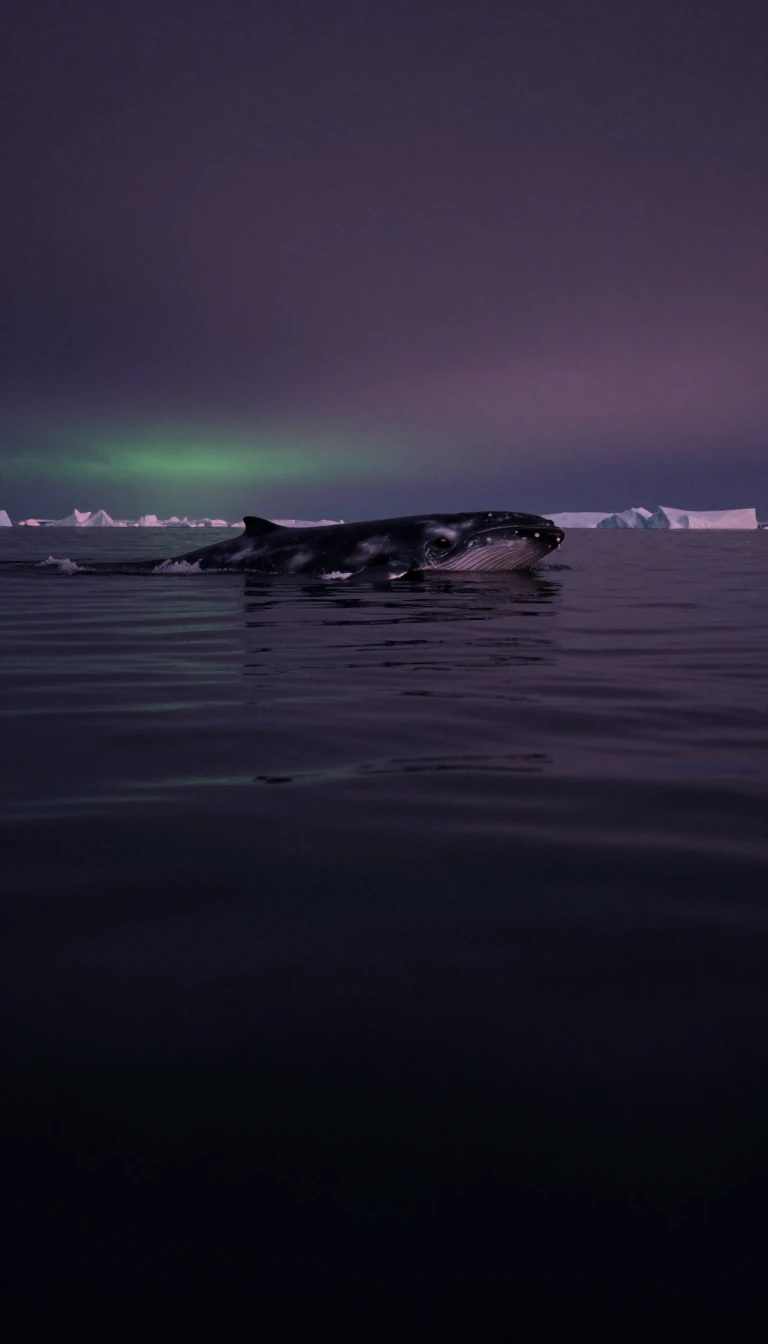
In short: Second only to the blue whale in size, the fin whale is a sleek, fast-swimming giant found in oceans worldwide. Known for its unique, asymmetrical head coloration and V-shaped chevrons, this endangered marine mammal survives by lunging into schools of prey with a massive, accordion-like throat.
The fin whale, Balaenoptera physalus, is a rorqual whale that reaches lengths of 18 to 27 meters. Its appearance is defined by a streamlined body and a tall, hooked dorsal fin positioned about two-thirds of the way toward its tail. Perhaps its most striking feature is its asymmetrical head: the lower jaw is dark on the left and white on the right, with the tongue colors reversed. This species is found in all major oceans, typically preferring deep, offshore waters in temperate to polar latitudes.
During the mid-1900s, commercial whaling decimated the species, with nearly 725,000 individuals killed in the Southern Hemisphere alone. While commercial whaling has ended, the fin whale remains listed as endangered under the Endangered Species Act. Today, the primary threats are vessel strikes, as these whales are particularly vulnerable to collisions with ships, and potential entanglement in fishing gear. As shipping traffic increases, particularly with the opening of trans-polar routes, conservationists are working to develop whale-safe practices and reduce ocean noise.
Fin whales are opportunistic feeders, consuming up to 2 tons of food daily, including krill, squid, and schooling fish like herring and capelin. They employ two primary feeding strategies: lunging into prey schools with their mouths open or skimming the surface. Their 260 to 480 baleen plates filter food from the water. Despite their size, they are social, often found in groups of two to seven, and they are known to occasionally hybridize with blue whales. While they migrate seasonally between polar feeding grounds and tropical breeding areas, the specific locations of their winter calving grounds remain a mystery.
Opens the Intellect+ feed with this card first. Swipe up for the next one.
Sources
- Summary by Intellect · source: Fin Whale
- Also: Fin whale | Giant, Balaenoptera, Migration | Britannica
- Also: Fin whale
To cite this card, link to https://intellectplus.co.uk/app/nature-fin-whale.
How we source, check and correct cards: Editorial standards.
General information, not professional advice. Spotted an error? Flag the card or see corrections and complaints.
Intellect Plus is a visual educational discovery platform for exploring fascinating facts and ideas. Brain Food, Not Brain Rot. What is Intellect Plus?
Related
More in Physical geography · More in Nature · Latest · A–Z · All topics
