The First World was a Cold War invention, not a permanent global status.
In short: Born from the geopolitical divide between the U.S. and Soviet blocs, the term First World once defined political alignment rather than wealth. Today, it has evolved into a shorthand for industrialized, high-income nations, yet the concept remains an outdated relic that obscures the complex realities of modern global development.
The concept of the First World emerged in the late 1940s as part of a three-part model to categorize the global political landscape. The First World comprised nations aligned with the United States and the Western Bloc, while the Second World consisted of countries aligned with the Soviet Union. The Third World, a term coined by French demographer Alfred Sauvy in 1952, represented those nations that remained unaligned in the East-West conflict. This rigid structure was designed to map ideological spheres of influence, with the Cold War serving as the primary driver for these classifications.
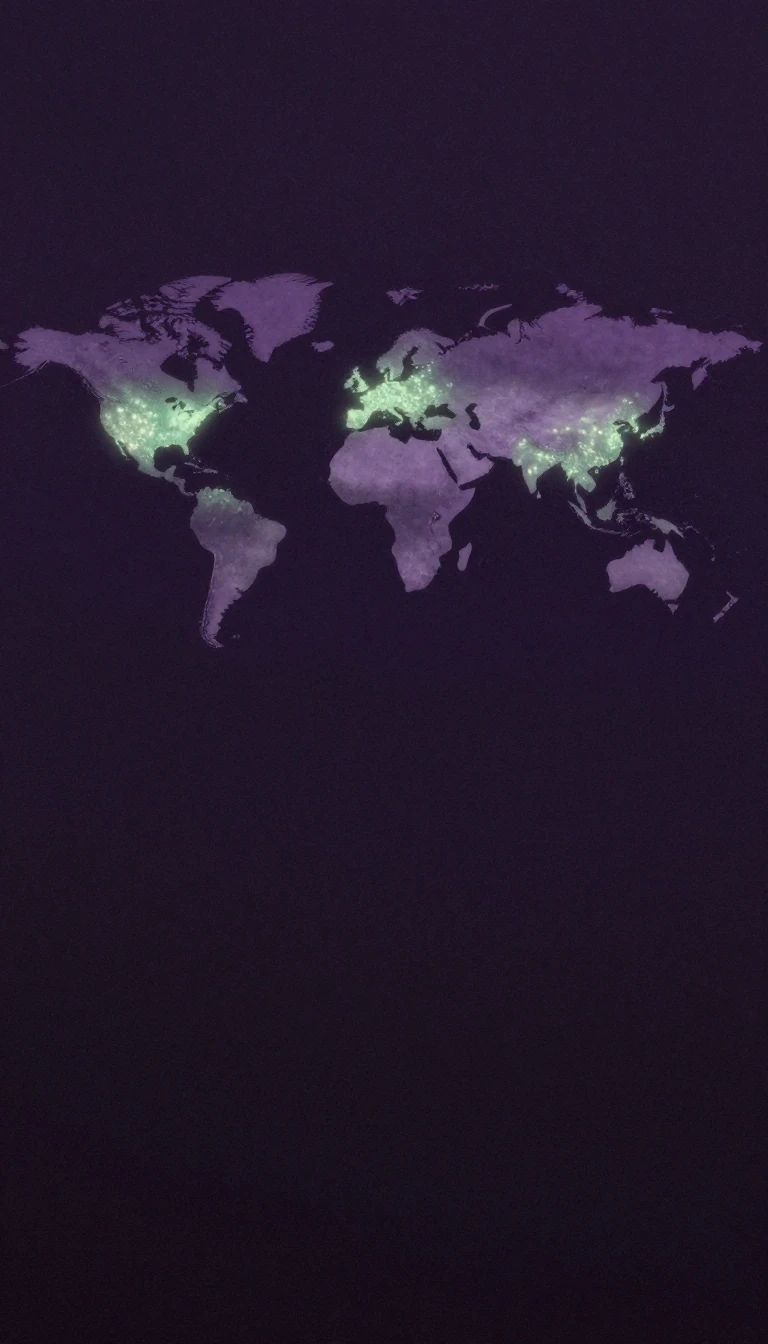
Following the dissolution of the Soviet Union in 1991, the original geopolitical definition lost its utility. The term shifted in colloquial usage to describe stable, liberal democratic countries with advanced capitalist economies and high standards of living. Modern interpretations often equate the First World with high-income economies as classified by the World Bank, or with the developed nations of North America, Western Europe, Japan, South Korea, Australia, and New Zealand. These states are characterized by their advanced technology, significant global influence, and robust rule of law.
Despite its continued use, the term is increasingly criticized for its lack of an official definition and its role in perpetuating a hierarchy of development. Scholars note that First World nations still dominate global academic and media discourse, often framing development through a Western lens. Furthermore, the disparity in resource consumption remains stark; inhabitants of the U.S., Western Europe, and Japan consume 32 times more resources and generate 32 times more waste than those in the Third World. While globalization has increased economic interconnection, it has also highlighted the persistent influence of multinational corporations originating from these historically developed centers.
Opens the Intellect+ feed with this card first. Swipe up for the next one.
Sources
- Summary by Intellect · source: First World
To cite this card, link to https://intellectplus.co.uk/app/nature-first-world.
How we source, check and correct cards: Editorial standards.
General information, not professional advice. Spotted an error? Flag the card or see corrections and complaints.
Intellect Plus is a visual educational discovery platform for exploring fascinating facts and ideas. Brain Food, Not Brain Rot. What is Intellect Plus?
Related
More in Physical geography · More in Nature · Latest · A–Z · All topics
