The microscopic pest that ruins your pantry and defines the flavor of fine cheese
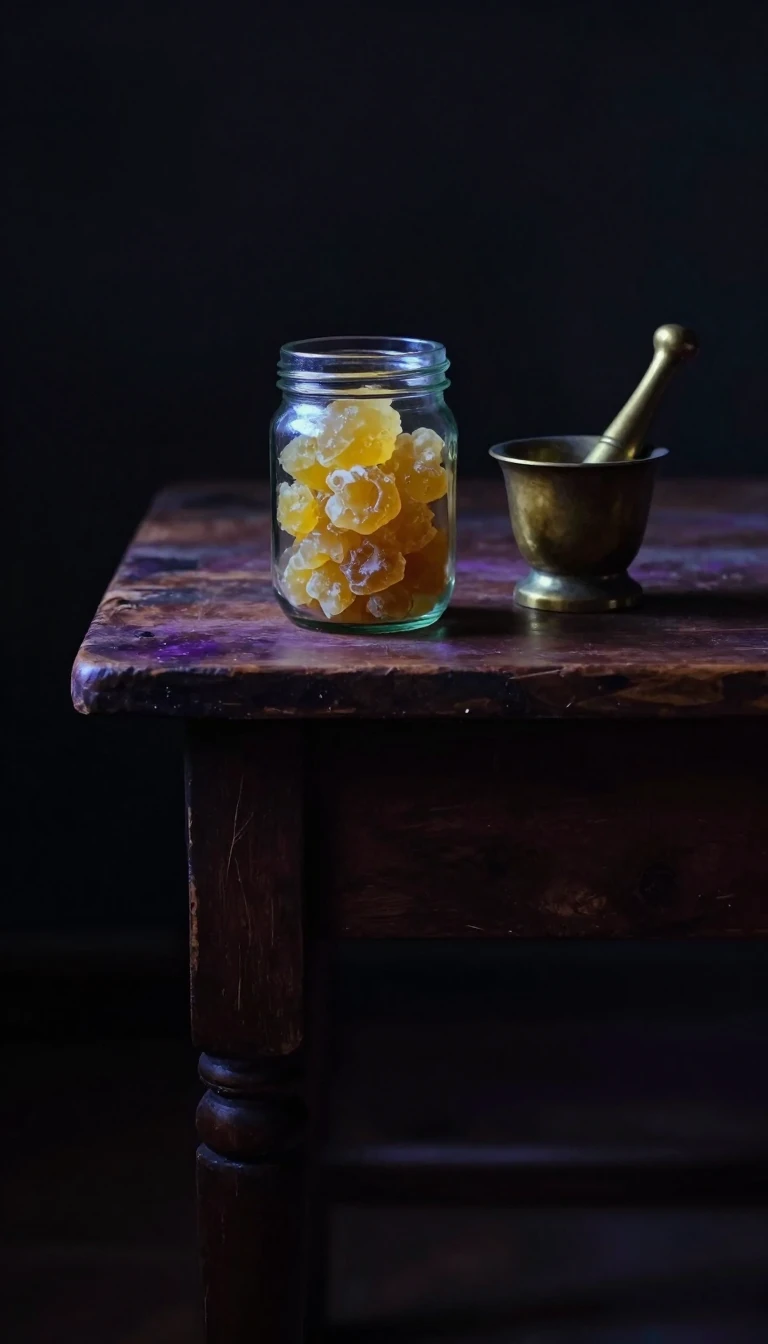
In short: The flour mite, Acarus siro, is a tiny, pale creature that thrives in stored grains and animal feed. While often viewed as a destructive pest that spoils food with a sickly sweet odor, these mites are also intentionally cultivated to develop the unique, complex flavor profile of Mimolette cheese.
Acarus siro, historically known as Tyroglyphus farinae, is a pervasive mite species found in stored grains and various food products. These organisms are remarkably small, with males measuring between 0.33 and 0.43 millimetres, and females slightly larger at 0.36 to 0.66 millimetres. They are easily identified by their pale, greyish-white bodies and distinct pink legs. In environments where storage conditions are poor, these mites can multiply rapidly, as females produce large clutches of eggs and complete their entire life cycle in just over two weeks. Their presence is often marked by a fluffy, brown accumulation of cast skins and dead bodies beneath storage sacks.
The impact of these mites on food quality is significant. When they infest grains, flour, or animal feed, they introduce pathogenic microorganisms and generate allergens within the resulting dust. Consuming infested material can cause a range of health issues in animals, including reduced feed intake, diarrhea, intestinal inflammation, and stunted growth. Specifically, pigs fed on contaminated supplies show marked declines in live-weight gain and nitrogen retention. For humans, contact with these mites can trigger an allergic skin reaction known as Baker's itch, caused by their bites.
Despite their reputation as a nuisance, these mites play a specialized role in culinary arts. In the production of Mimolette cheese, they are intentionally introduced to the rind. In this context, they are frequently called cheese mites. Their activity on the cheese surface is a deliberate part of the aging process, contributing to the development of the cheese's characteristic flavor. This duality—as both a destructive agricultural pest and a functional tool for artisanal food production—highlights the complex relationship between human storage practices and the microscopic organisms that inhabit our food supplies.
Managing flour mite populations is a common challenge in agricultural and domestic storage. Because they thrive in poorly maintained environments, prevention relies heavily on proper storage techniques to limit their proliferation. Understanding their biology, from their rapid reproductive cycle to their specific environmental triggers, remains essential for those looking to mitigate the damage they cause to stored commodities.
Opens the Intellect+ feed with this card first. Swipe up for the next one.
Sources
- Summary by Intellect · source: Flour mite
- Also: Grain Mite (Acarus siro)
To cite this card, link to https://intellectplus.co.uk/app/nature-flour-mite.
How we source, check and correct cards: Editorial standards.
General information, not professional advice. Spotted an error? Flag the card or see corrections and complaints.
Intellect Plus is a visual educational discovery platform for exploring fascinating facts and ideas. Brain Food, Not Brain Rot. What is Intellect Plus?
Related
More in Arthropods · More in Nature · Latest · A–Z · All topics
