The world's most dangerous cheese is a masterclass in biological fermentation
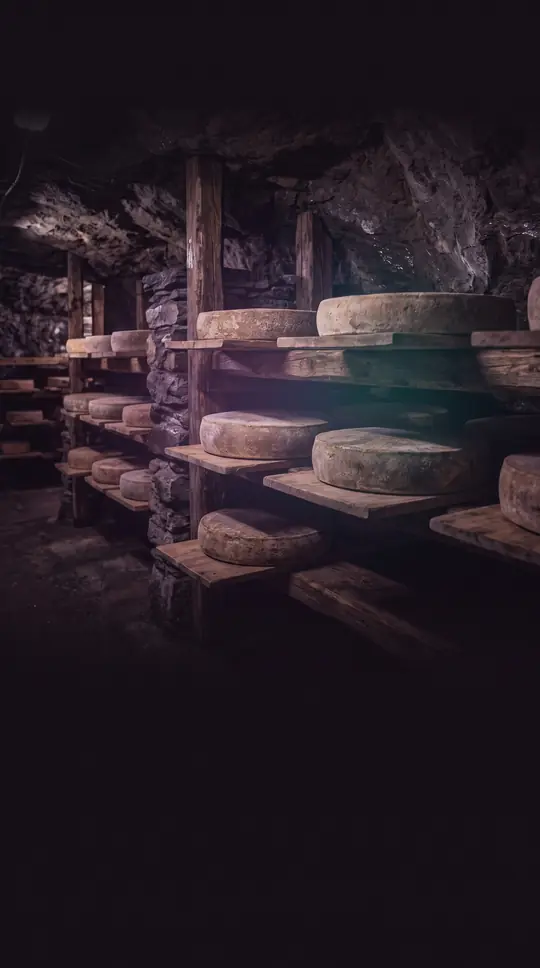
In short: In the rugged landscape of Sardinia, a cheese is born from a deliberate partnership with decay. By inviting fly larvae to feast on pecorino, producers create an intense, spicy flavor profile that defies modern food safety laws and borders on the mystical.
Casu martzu, which translates literally to 'rotten cheese,' relies on the life cycle of the cheese fly (Piophila casei). Producers deliberately leave whole pecorino cheeses outside with portions of the rind removed. This allows the flies to lay eggs, from which thousands of larvae hatch. These maggots perform a specific biological task: their digestive systems produce acids that break down the cheese's fats, softening the texture and creating an advanced level of fermentation over a three-month period.
The sensory experience is as extreme as the process. The resulting cheese features an 'intense' flavor with pastoral and spicy notes, often served on moist flatbread with strong red wine. Because the larvae can leap up to 15 centimeters (6 inches) when disturbed, diners traditionally hold their hands above the sandwich to avoid being struck. While some consumers prefer not to ingest the maggots, they may place the cheese in sealed bags to starve them of oxygen before eating.
Despite its cultural status as a pastoral icon and a purported aphrodisiac, casu martzu remains illegal across the European Union. Authorities cite risks of enteric pseudomyiasis—a condition where larvae survive stomach acid—and potential infections from microorganisms carried by the maggots. Nevertheless, it persists on the black market, with 2019 estimates suggesting an illegal production of 100 tonnes per year, valued at between €2–3 million. This tension between ancient tradition and modern hygiene highlights a deep-seated cultural identity: as one local historian noted, 'We are the sons of this food.'
The practice is not unique to Sardinia; similar variations like casgiu merzu exist in Corsica. Furthermore, other European traditions utilize live arthropods for flavor, such as German Milbenkäse or French Mimolette which use mites. Even historical accounts from 1724 describe Stilton being served with maggots so thick that diners brought spoons specifically to eat them.
Opens the Intellect+ feed with this card first. Swipe up for the next one.
Sources
- Summary by Intellect · source: Casu martzu
- Also: Wikidata — casu martzu · CC0
To cite this card, link to https://intellectplus.co.uk/app/places-casu-martzu.
How we source, check and correct cards: Editorial standards.
General information, not professional advice. Spotted an error? Flag the card or see corrections and complaints.
Intellect Plus is a visual educational discovery platform for exploring fascinating facts and ideas. Brain Food, Not Brain Rot. What is Intellect Plus?
Related
More in Cities · More in Countries & Cities · Latest · A–Z · All topics
