The Earth is a closed loop where ancient matter constantly migrates through deep geological cycles.
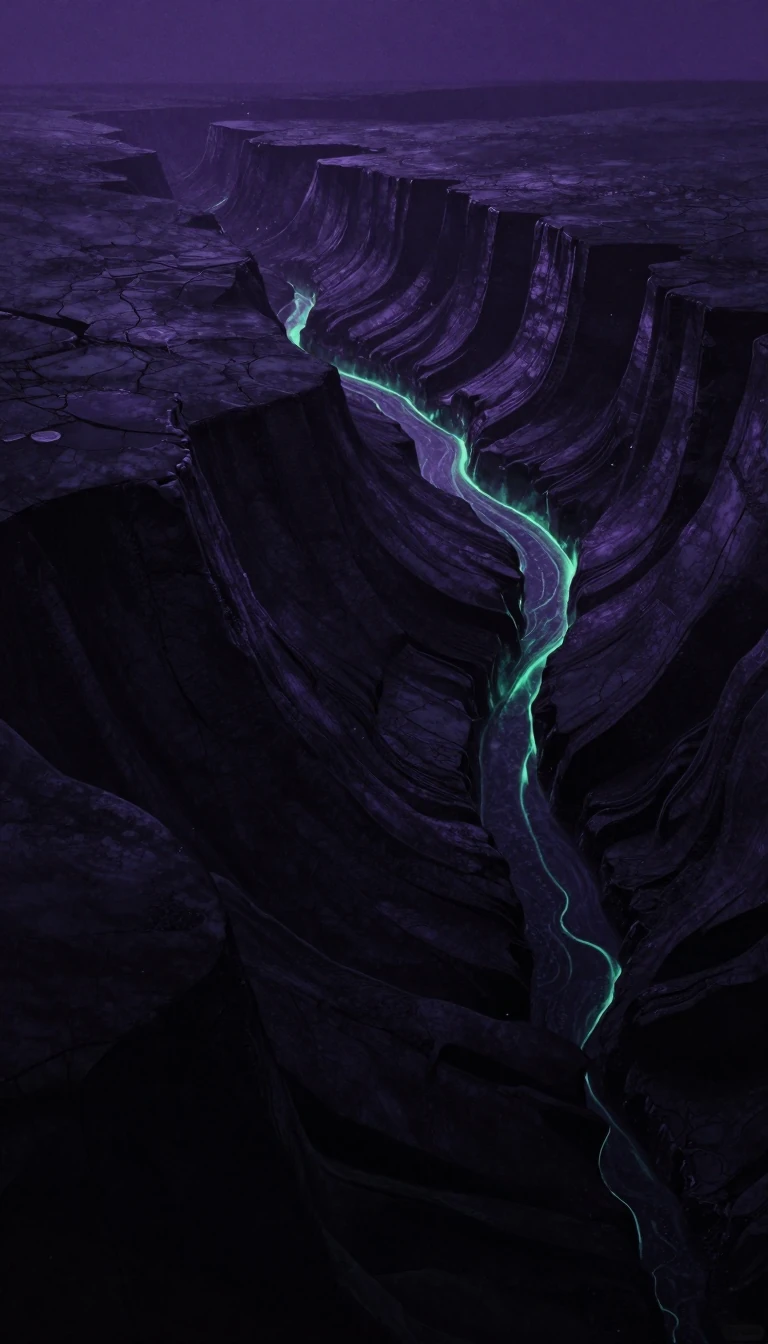
In short: While we often focus on the life-sustaining biogeochemical cycles of our atmosphere and biosphere, a much deeper, slower process governs the planet itself. Geochemical cycles move elements between the Earth's crust and its molten interior, shaping continents and oceans over vast timescales through the relentless forces of subduction and volcanism.
At its core, the Earth functions as a closed system regarding matter. Following the law of conservation of mass, the planet neither creates nor destroys its chemical building blocks; instead, it continuously recycles the same material present since its formation. Geochemical cycles describe the pathways these elements—such as silicon, aluminium, and various alkali metals—take as they migrate between the lithosphere, which forms the Earth's crust, and the deep Earth, comprising the mantle and core.
The movement of material between these deep reservoirs and the surface is driven by two primary geological mechanisms: subduction and volcanism. Subduction occurs at convergent plate boundaries, where one tectonic plate is forced beneath another, sinking into the mantle. This descent triggers a complex range of geochemical transformations as the plate is recycled into the deep interior. Conversely, volcanism occurs at divergent boundaries where plates separate, allowing molten magma to rise from the depths. As this magma cools and crystallizes, it forms igneous rocks, either extrusively on the surface or intrusively within the crust, where they may later be exposed by denudation.
While biogeochemical cycles involve the rapid chemical interactions within surface reservoirs like the atmosphere, hydrosphere, and biosphere, geochemical cycles operate on a much longer, more profound scale. These processes are responsible for the large-scale evolution of the planet's surface features, including the formation and transformation of continents and ocean basins. Though these changes are rarely perceptible in the short term, they represent the fundamental engine of Earth's geological history, ensuring that the planet's internal and external reservoirs remain in a state of constant, heat-assisted flux.
Opens the Intellect+ feed with this card first. Swipe up for the next one.
Sources
- Summary by Intellect · source: Geochemical cycle
To cite this card, link to https://intellectplus.co.uk/app/nature-geochemical-cycle.
How we source, check and correct cards: Editorial standards.
General information, not professional advice. Spotted an error? Flag the card or see corrections and complaints.
Intellect Plus is a visual educational discovery platform for exploring fascinating facts and ideas. Brain Food, Not Brain Rot. What is Intellect Plus?
Related
More in Geology · More in Nature · Latest · A–Z · All topics
