Why rocks break: The hidden physics behind the planet's most common geological features
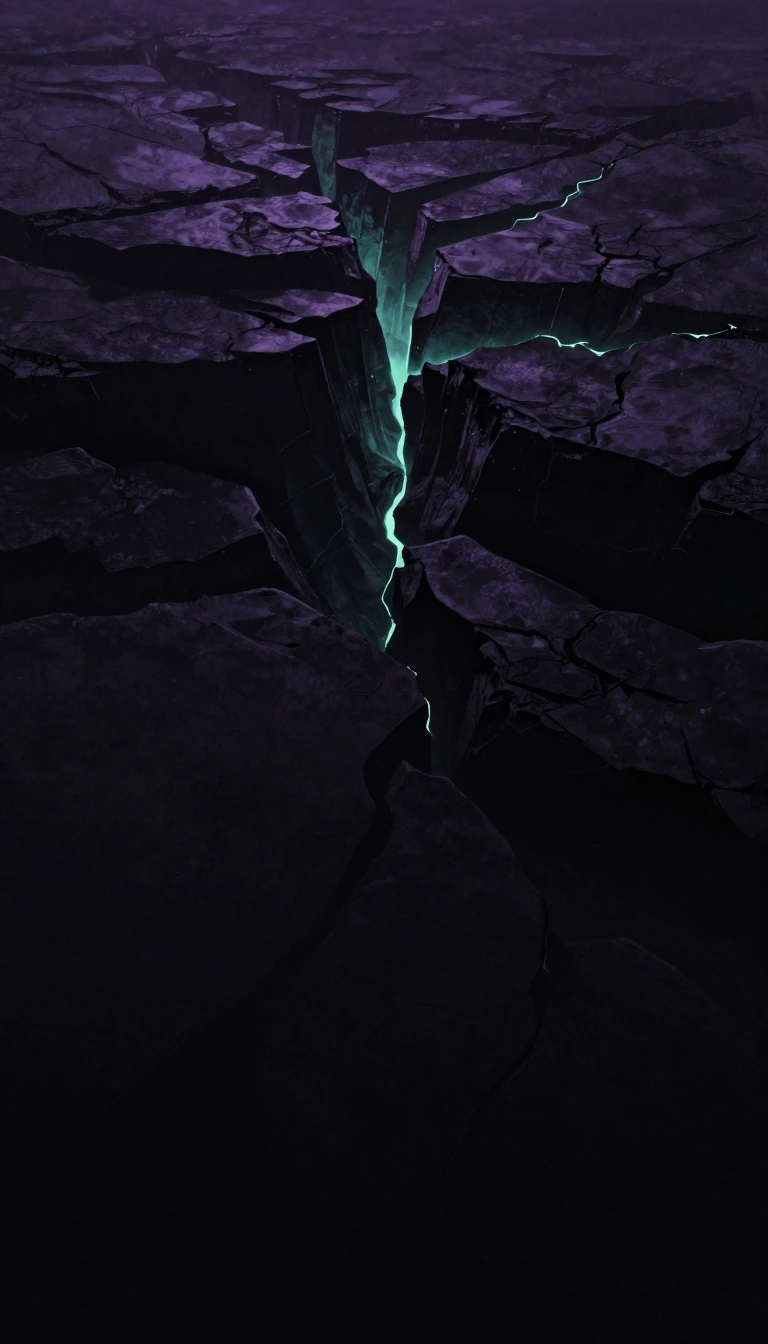
In short: Fractures are more than just cracks in the Earth. They are complex, brittle deformations that dictate how water and hydrocarbons flow beneath our feet. From the hexagonal patterns of cooling lava to the microscopic stress fields at a crack tip, geology reveals how rocks fail under pressure and tension.
At its simplest, a fracture is a separation in a geologic formation, dividing rock into two or more pieces. These features are categorized by how they form: joints, where no significant movement occurs, and faults, where rocks on either side shift relative to one another. While we often see these as static lines in an outcrop, they are the result of intense physical processes where stress exceeds the cohesive strength of the material.
Geologists classify these breaks into three primary modes: Mode I (opening), Mode II (sliding), and Mode III (tearing). The mechanics of these failures are often analyzed through Linear Elastic Fracture Mechanics (LEFM), a framework pioneered by A. A. Griffith during World War I. Griffith’s work shifted the focus from simple force to energy, specifically the balance between the energy required to create new surfaces and the elastic strain energy released by breaking bonds. Modern LEFM expands on this by examining the stress field at the crack tip, allowing scientists to predict how fractures propagate through a rock mass.
The way a rock breaks depends heavily on its environment. Near the Earth's surface, rocks behave in a brittle manner, creating distinct structures like plumose patterns or columnar joints. However, as depth increases, rising temperatures and pressures push rocks into a semi-brittle or plastic regime. In these conditions, deformation becomes more complex, often involving cataclastic flow—a mixture of brittle-frictional and plastic processes. Understanding these mechanisms is not merely academic; because fractures provide permeability, they are essential for identifying natural aquifers and hydrocarbon reservoirs, acting as the hidden plumbing system of the crust.
Opens the Intellect+ feed with this card first. Swipe up for the next one.
Sources
- Summary by Intellect · source: Fracture (geology)
- Also: Fracture | in geology | Britannica
To cite this card, link to https://intellectplus.co.uk/app/nature-fracture-geology.
How we source, check and correct cards: Editorial standards.
General information, not professional advice. Spotted an error? Flag the card or see corrections and complaints.
Intellect Plus is a visual educational discovery platform for exploring fascinating facts and ideas. Brain Food, Not Brain Rot. What is Intellect Plus?
Related
More in Geology · More in Nature · Latest · A–Z · All topics
